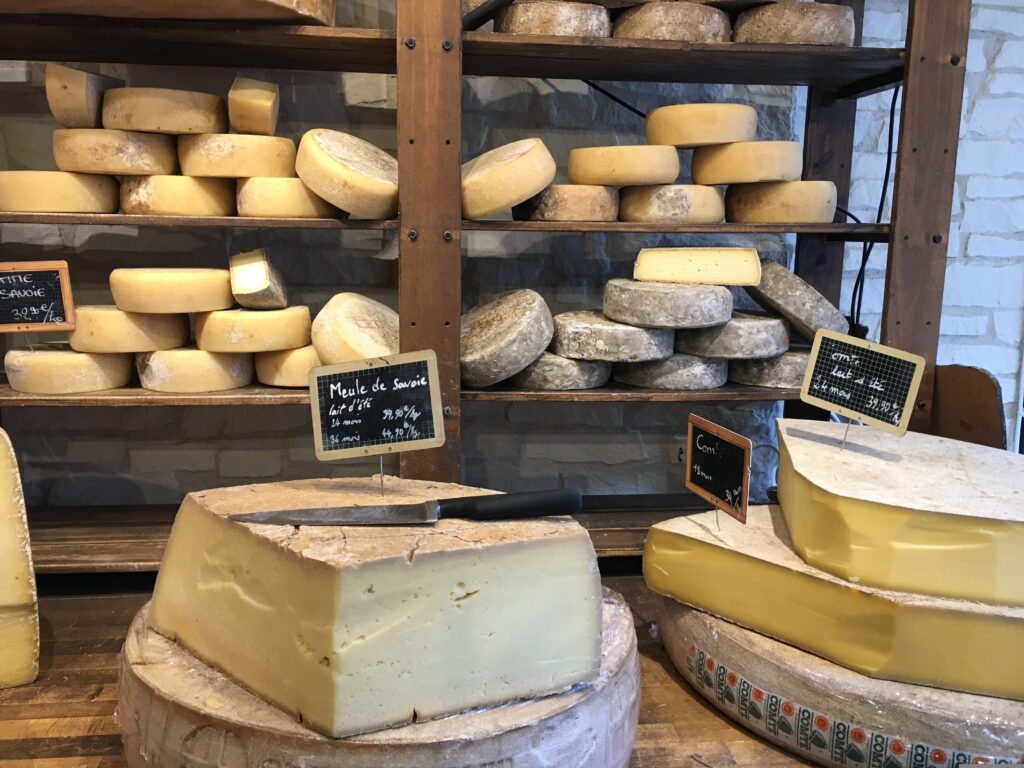
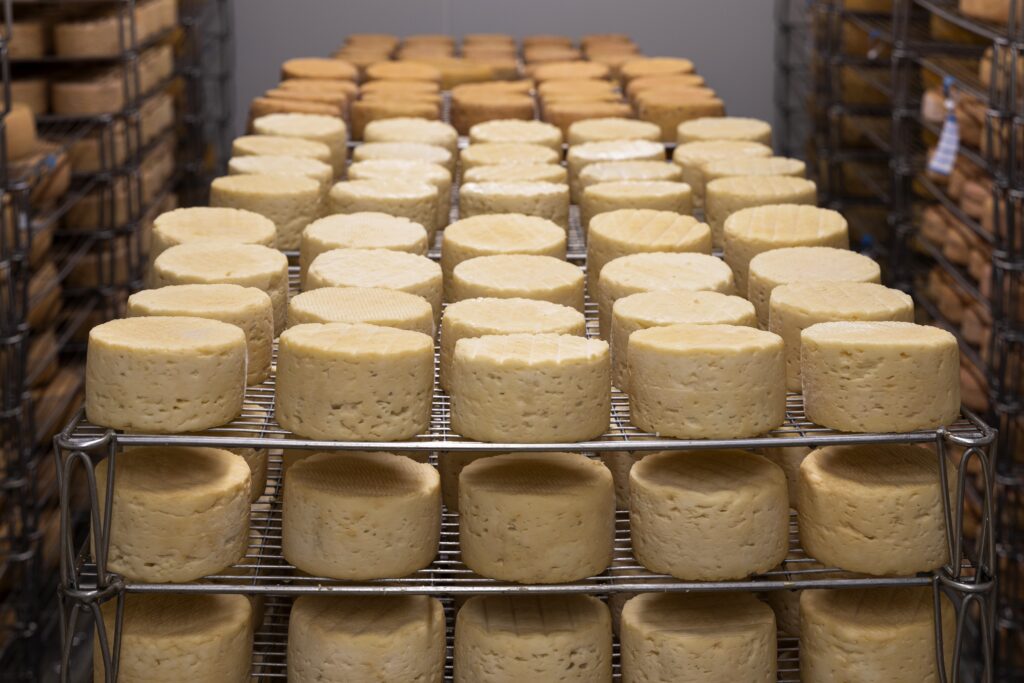
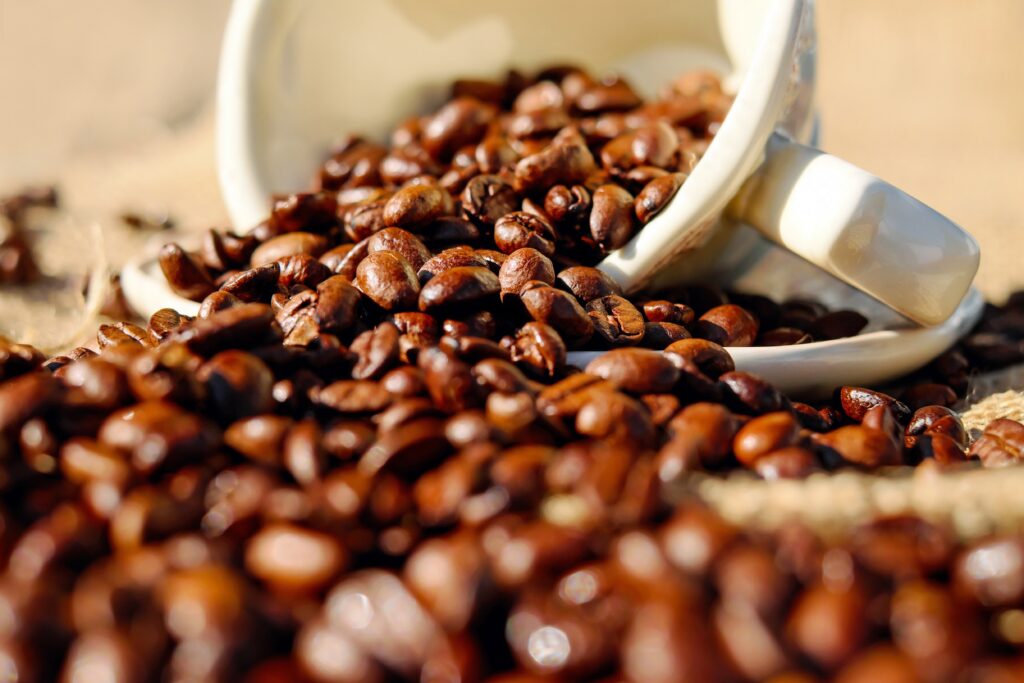
Across the U.S., locked cabinets and security gates are no longer limited to liquor, razors or baby formula. At some Safeway and other supermarket locations, shoppers are now encountering anti-theft cases around higher-priced food items such as coffee, specialty cheese and frozen desserts.
Grocers are expanding lockups beyond traditional high-theft aisles
Safeway and other supermarket operators have been adding product lockups and other security changes at select stores as theft-prevention measures, according to company statements reported by the San Francisco Chronicle and The San Francisco Standard in 2024. On May 30, 2024, the Chronicle reported that Safeway had removed self-checkout kiosks at some Bay Area stores and made other front-end changes to deter shoplifting.
Those changes have been visible on sales floors as well. Earlier reporting from the Chronicle and local outlets documented Safeway stores using plexiglass barriers, entrance controls and locked displays for products beyond alcohol, including household and grocery merchandise. The company has not published a national count of stores using locked food cases, and no major grocer has released a public inventory of exactly which items are secured chainwide.
What is documented is the broader retail pattern. The Associated Press reported in 2023 that chains including Target and CVS were locking up more everyday products as a quick anti-theft measure, while Target confirmed it was locking entire categories in some stores rather than isolated products. Grocery stores are now applying that same playbook to selected food items that are compact, branded and relatively expensive per unit.
The impact is clearest in places where store theft has become a local business issue
In California, especially the Bay Area, Safeway has become one of the clearest examples of how grocery security is changing at store level. The San Francisco Chronicle reported that some Bay Area Safeway locations removed self-checkout and adjusted store layouts because of increasing theft, while other reports described locked cases and controlled exits in San Francisco stores.
What is confirmed is that these measures are selective, not universal. Safeway has not released a comprehensive list of affected California locations, and there is no public companywide roster showing where coffee, cheese or ice cream are behind locked doors. The same is true in other states, where local reports show different grocery chains locking up different categories depending on store conditions.
Colorado offers a similar example. Axios reported on March 21, 2025, that some Denver-area King Soopers and Safeway stores had begun locking up laundry detergent as shoplifting surged. That report did not say food lockups were chainwide, but it showed how grocers are tailoring security by neighborhood, shrink patterns and product resale risk rather than adopting one national floor plan.
Retailers and trade groups say theft and organized resale are the main drivers
The National Retail Federation has repeatedly tied these kinds of security measures to organized retail crime and rising theft incidents. In its 2025 theft and violence report, the NRF said retailers reported an 18% increase in the average number of shoplifting incidents in 2024 versus 2023, while threats or acts of violence during theft events rose 17%.
The trade group also said more than half of surveyed retailers reported increases in shoplifting and merchandise theft linked to organized retail crime groups. In separate 2025 advocacy materials, the NRF said retailers experienced a combined 19% increase in shoplifting and merchandise theft incidents from 2024, and that stolen goods increasingly move through both physical and online resale channels.
That helps explain why coffee, premium cheese and similar items are vulnerable. They are easy to carry, easy to resell and often expensive relative to their size. Retail experts have also noted that stores track losses by item and even by flavor or brand, which means lockups often reflect store-specific shrink data rather than a blanket judgment that all groceries are at equal risk.
For shoppers, the new grocery routine may mean slower trips and more assisted purchases
For customers, the practical effect is straightforward: some grocery runs now require waiting for an employee to open a case for items that used to sit on open shelves. The Associated Press reported that shoppers were already changing where and how they buy products when lockups spread through drugstores and big-box chains, and grocery stores now face the same tradeoff between convenience and loss prevention.
Retailers have also acknowledged that these decisions are operational, not cosmetic. Safeway told Bay Area media that front-end and store-layout changes were made to address increasing theft, and company statements in San Francisco have linked some measures directly to associate and customer safety. In at least one San Francisco case, the Chronicle reported that theft concerns were serious enough to factor into a store closure decision announced in December 2024.
So if your local store has put coffee or cheese behind glass, it does not necessarily signal a national rule for every location. It does show that more grocers are treating certain food products like high-risk merchandise, with security decisions increasingly made aisle by aisle and store by store.