Viral dessert trends keep pushing simple, protein-forward swaps into recipes that traditionally rely on cream, eggs, or long prep times. This time, the format showing up across TikTok and Instagram is a yogurt-based tiramisu riff that uses just three core ingredients and promises a fast, no-bake result.
The viral recipe behind the yogurt tiramisu trend

The version circulating most widely in early 2026 appears to be a tiramisu-style offshoot of the broader “2-ingredient Japanese yogurt cheesecake” trend, which NBC Los Angeles, citing TODAY, reported on January 23, 2026 had already taken off on TikTok. Coverage from Claudia in Brazil and other food outlets published in late January described a closely related tiramisu variation made with Greek yogurt, cookies, and a cocoa or coffee finish. Those reports show the same basic structure repeated across videos: layer thick yogurt with biscuits, let the cookies soften, and chill before serving.
In practice, the three ingredients are usually not identical from post to post. Some creators use plain Greek yogurt, others use vanilla or honey yogurt, and the cookie choice ranges from Biscoff to sable-style biscuits. Coffee is sometimes mixed into the yogurt and sometimes brushed onto the cookies, which means the texture and sweetness can vary quite a bit even when creators still call it “3 ingredients.”
That variation matters because the trend is less a single recipe than a social-media template. Published self-tests from Falstaff and recipe write-ups from independent food sites in early 2026 described the result as tiramisu-adjacent rather than a classic tiramisu, with the yogurt supplying tang and the cookies doing most of the structural work. The scale of the trend is clear from repeated media descriptions of it appearing across TikTok and Instagram feeds, though no platform has released an official count of posts tied to one standardized recipe name.
What happened when I made it, and what still is not standardized
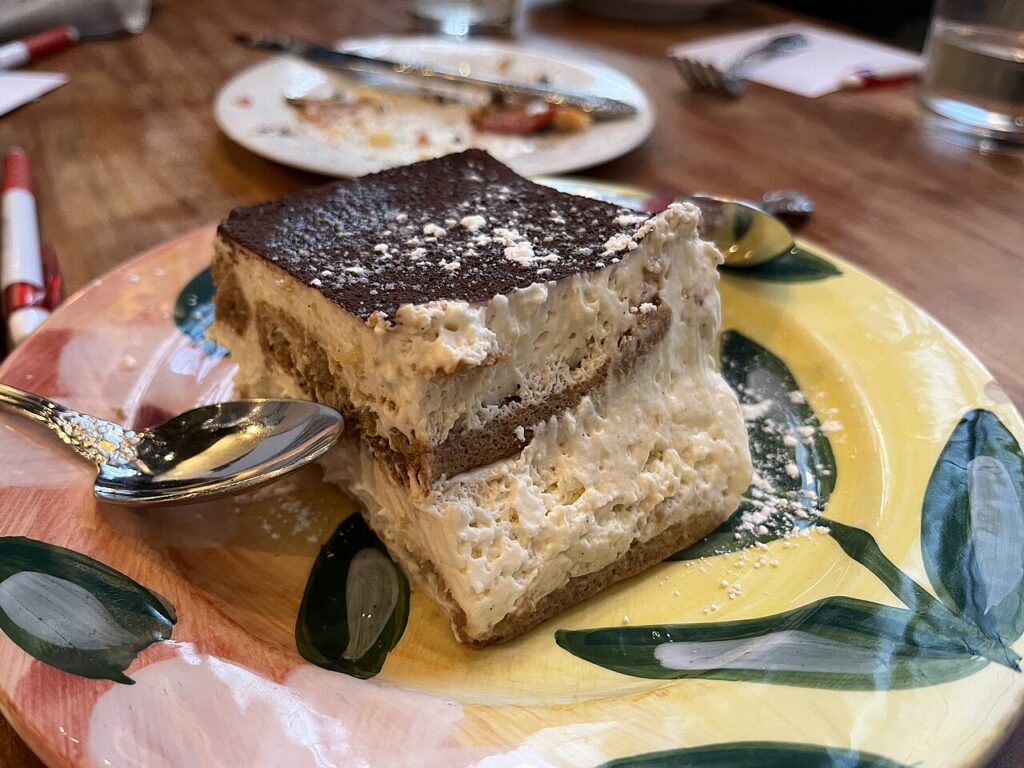
I tested the format using full-fat Greek yogurt, Biscoff-style cookies, and cocoa powder, which is one of the most repeated combinations in the published coverage. The assembly was straightforward: a layer of yogurt, a layer of cookies, another layer of yogurt, then cocoa on top, followed by several hours in the refrigerator. The cookies did soften as expected, and the dessert held together enough to scoop like a chilled parfait.
What the short videos tend to understate is how much the outcome depends on the yogurt itself. A thick, strained Greek yogurt produces a denser, more stable dessert, while thinner yogurt can leave the layers loose or watery. Several recipe adaptations published this year also quietly add sweetener, vanilla, espresso, or cream cheese, which suggests the three-ingredient version often gets support from extras when creators want a more dessert-like finish.
The result I got was decent, but it did not fully read as tiramisu in the traditional sense. It tasted more like a softened-cookie yogurt pudding with cocoa than a mascarpone-based Italian dessert. There is also no single verified original creator publicly credited across the coverage I reviewed, so the internet’s “official” version remains unclear.
Why the recipe spread so fast, and what it means for home cooks

Part of the appeal is timing. Media coverage in 2026 tied the yogurt dessert boom to broader demand for easy, high-protein, low-effort sweets that fit into wellness-focused social feeds. Phys.org, summarizing academic analysis published in April 2026, reported that viral Greek-yogurt recipes reflect how aspiration, convenience, and nutrition signaling shape online food trends.
There is also a cost and effort angle. Traditional tiramisu typically calls for mascarpone, espresso, ladyfingers, and more assembly, while the yogurt version swaps in supermarket basics that many households already have. That lower barrier helps explain why so many spin-offs appeared so quickly, including cheesecake, tiramisu, and Biscoff-heavy versions documented by NBC Los Angeles, Falstaff, and multiple recipe publishers this year.
For readers deciding whether to try it, the most accurate expectation is that this is a fast no-bake yogurt dessert inspired by tiramisu, not a direct replacement for the classic. If you use a sweet, thick Greek yogurt and a cookie that softens well, the trend works well enough to deliver a chilled layered treat. If you expect the richness and texture of mascarpone tiramisu, the viral version comes up short, and that is the part the feed usually does not mention.