The U.S. Department of Agriculture is projecting another year of higher food costs, extending pressure that has already reshaped how many families shop for groceries and restaurant meals. The latest USDA forecast, released May 22, 2026, shows food-at-home prices rising again this year, with several major grocery categories expected to outpace their long-term average increases.
USDA raised its latest outlook for food prices in 2026

According to the USDA Economic Research Service’s Food Price Outlook updated May 22, 2026, prices for all food are forecast to increase 3.4 percent in 2026. Grocery-store prices, tracked as food-at-home, are projected to rise 3.2 percent, while restaurant and takeout prices, tracked as food-away-from-home, are projected to rise 3.5 percent. USDA said nine of the 15 grocery categories it follows are expected to increase faster than their 20-year historical average in 2026.
The categories expected to rise faster than average include beef and veal, other meats, fish and seafood, fresh fruits, fresh vegetables, processed fruits and vegetables, sugar and sweets, nonalcoholic beverages, and other foods, according to USDA. At the same time, USDA said egg, dairy, and fats-and-oils prices are expected to decline compared with 2025, creating a more mixed picture inside the grocery aisle. The agency’s forecast is based on the most recent Consumer Price Index and Producer Price Index data available at the time of release.
That forecast matters because it signals that broad food inflation has not fully cooled, even as some individual staples may ease. USDA’s summary also showed the food-at-home CPI was 2.9 percent higher in April 2026 than in April 2025, indicating that shoppers were already paying more before the latest annual forecast was fully reflected in household budgets.
The impact is national, but household decisions are highly local

USDA’s forecast is national, and the agency does not break its Food Price Outlook down by state, county, or metro area. That means there is no official USDA list showing which U.S. cities or neighborhoods will see the steepest grocery increases, and the agency has not released a location-by-location estimate for affected stores or chains. What is confirmed is that the outlook applies broadly to the prices urban consumers pay across the country, using federal inflation data as its base.
In practical terms, families are responding store by store and week by week. The eight common ways many mothers and other primary household shoppers are staying ahead of price increases include shifting to store brands, buying proteins on promotion, planning meals around circulars, freezing produce before spoilage, using warehouse or bulk options selectively, swapping fresh items for frozen or canned alternatives, reducing restaurant spending, and watching categories USDA expects to soften, including eggs and some dairy items.
Those strategies are consistent with the categories USDA expects to move in different directions in 2026. If beef, produce, and beverages rise faster than average while eggs or dairy moderate, households can rebalance carts without abandoning nutrition goals or weekly meal routines.
Beef, produce, and past disruptions are shaping the forecast
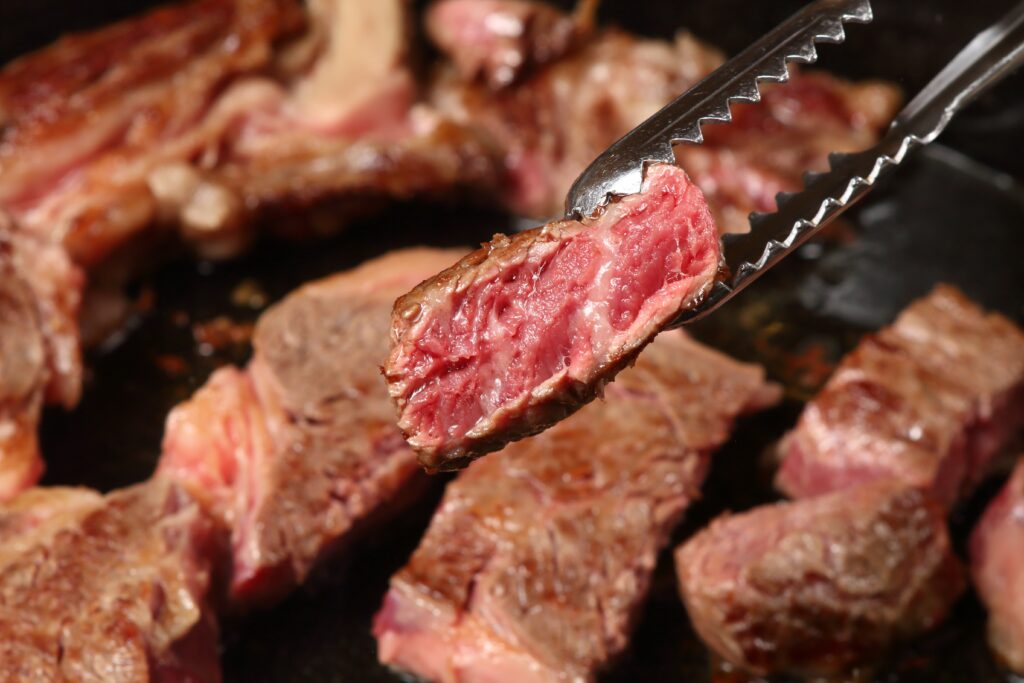
The biggest drivers in the current USDA outlook are category-specific supply and price trends. USDA said wholesale beef prices are predicted to increase 8.0 percent in 2026, and its separate cattle-and-beef outlook recently lowered the 2026 beef production forecast while raising slaughter steer price expectations. That combination helps explain why beef remains one of the most closely watched pressure points for grocery shoppers this year.
Eggs tell a different story. USDA’s food price and poultry outlooks say egg prices are expected to decline in 2026 compared with 2025, while table-egg production is projected to increase year over year in both 2026 and 2027. USDA has also tied earlier egg price spikes to the ongoing effects of highly pathogenic avian influenza, which disrupted production in prior years.
Produce and packaged foods remain under pressure as well. USDA said fresh fruits, fresh vegetables, processed fruits and vegetables, sugar and sweets, and nonalcoholic beverages are all projected to rise faster than their historical average rates in 2026, suggesting that inflation is no longer limited to one or two headline items.
What shoppers should expect as the year continues

For customers, the clearest takeaway is that food inflation in 2026 is expected to be uneven rather than universal. Some staples may offer relief, but USDA’s forecast indicates that families should still expect higher average costs across the full grocery basket and when dining out. That is why shopping habits that create flexibility matter more than loyalty to one item, one brand, or one format.
Consumers are likely to keep seeing the strongest pressure in meat and selected produce categories, while categories such as eggs and dairy may offer better value than they did a year earlier, according to USDA forecasts. The agency also noted that food-away-from-home inflation is expected to continue at its historical average pace, which means restaurant meals may remain a tougher fit for households trying to control weekly spending.
USDA updates the Food Price Outlook monthly as new inflation data arrives. That means the forecast can shift again in coming months, but as of the May 22, 2026 release, federal analysts were still signaling another year of rising food costs rather than a broad return to pre-inflation grocery patterns.