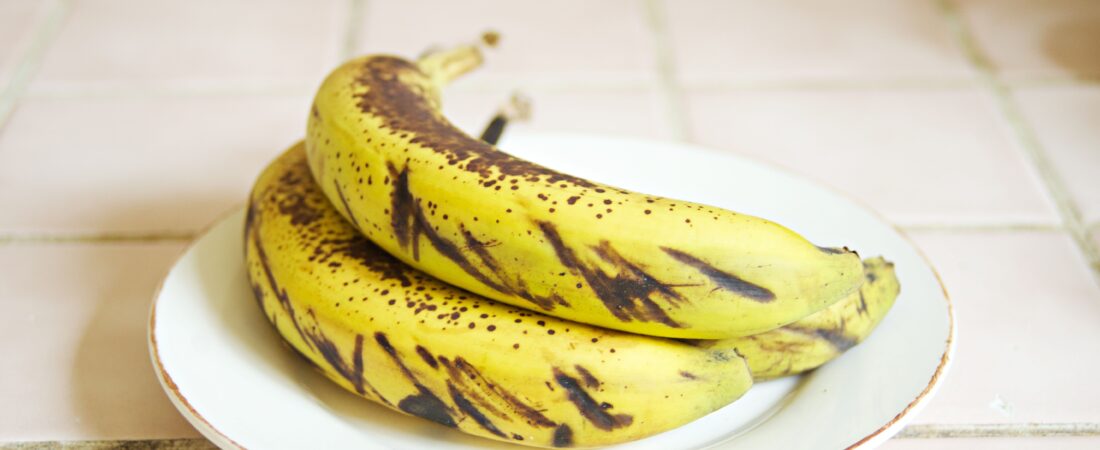
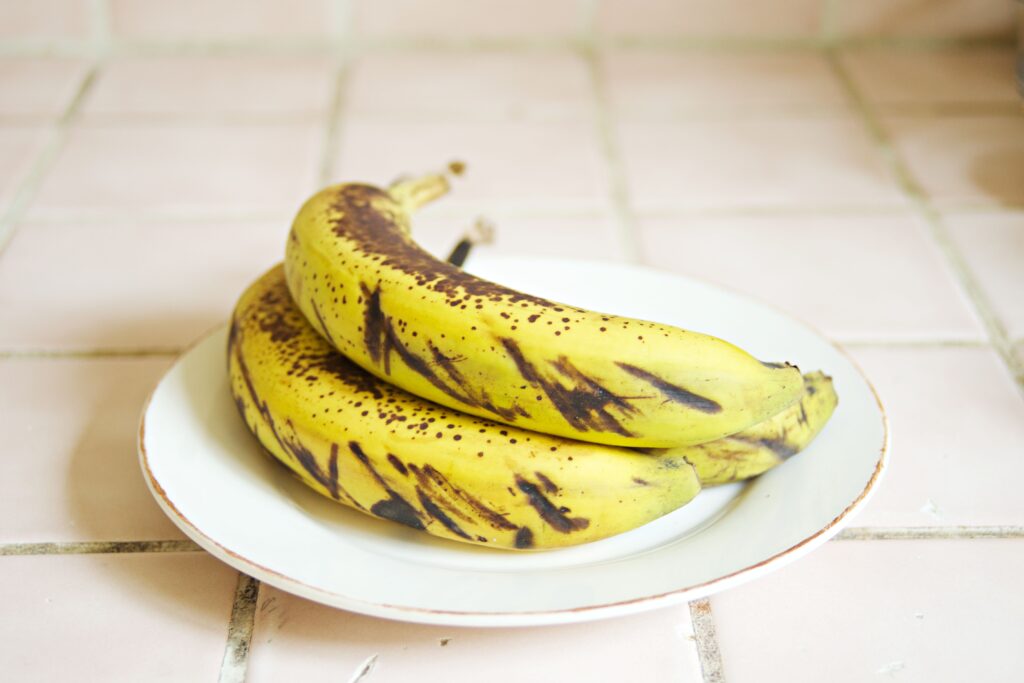
Fresh produce safety guidance in the U.S. has increasingly focused on what happens in home kitchens, not just on farms or in grocery supply chains. That brings a familiar item into view: the banana, which the Food and Drug Administration says should be rinsed before peeling so surface contamination is less likely to reach the fruit inside.
Federal guidance says peel-on fruit should still be washed
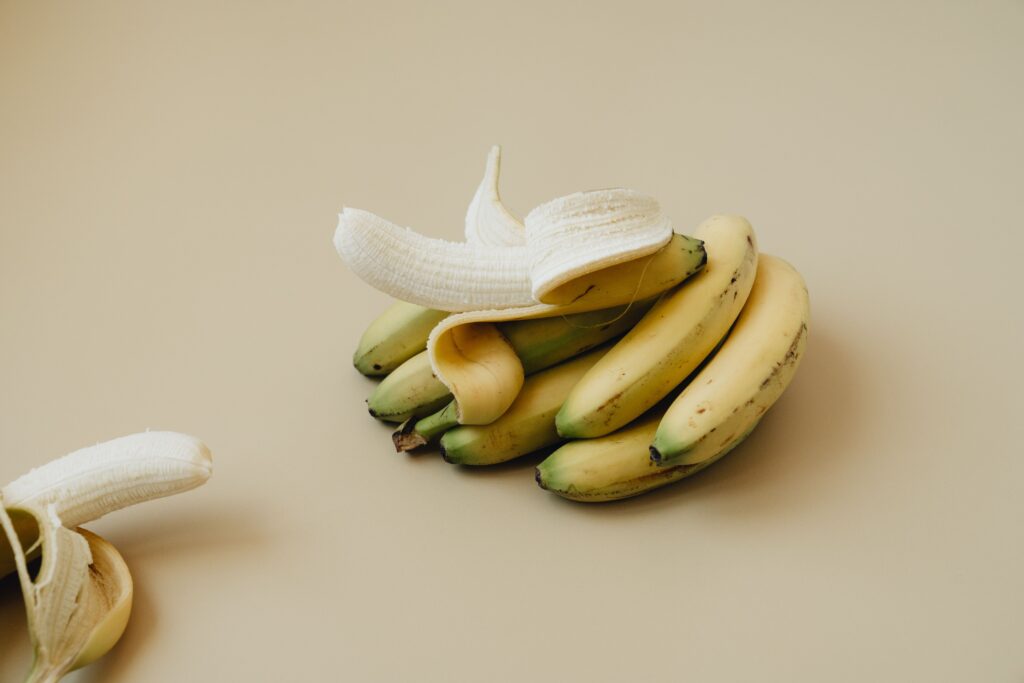
The Food and Drug Administration says consumers should wash fresh fruits and vegetables under running water before preparing or eating them, even when the skin or peel will not be eaten. In its consumer guidance and produce-safety materials, the agency says rinsing before peeling matters because dirt and bacteria on the outside can be transferred by hands, knives, or the peeling process itself.
That makes bananas part of the same food-safety category as oranges, melons, avocados, and other produce with protective outer skins. The FDA does not single out bananas as a separate warning, but its advice applies broadly to all produce, including items that are peeled before eating.
The agency also says soap, detergent, and commercial produce washes are not recommended for home use on produce. The practical instruction is narrower than that: rinse under running tap water, keep preparation surfaces clean, and wash hands before and after handling fresh produce.
What that means in U.S. kitchens, including quick snacks and lunch prep
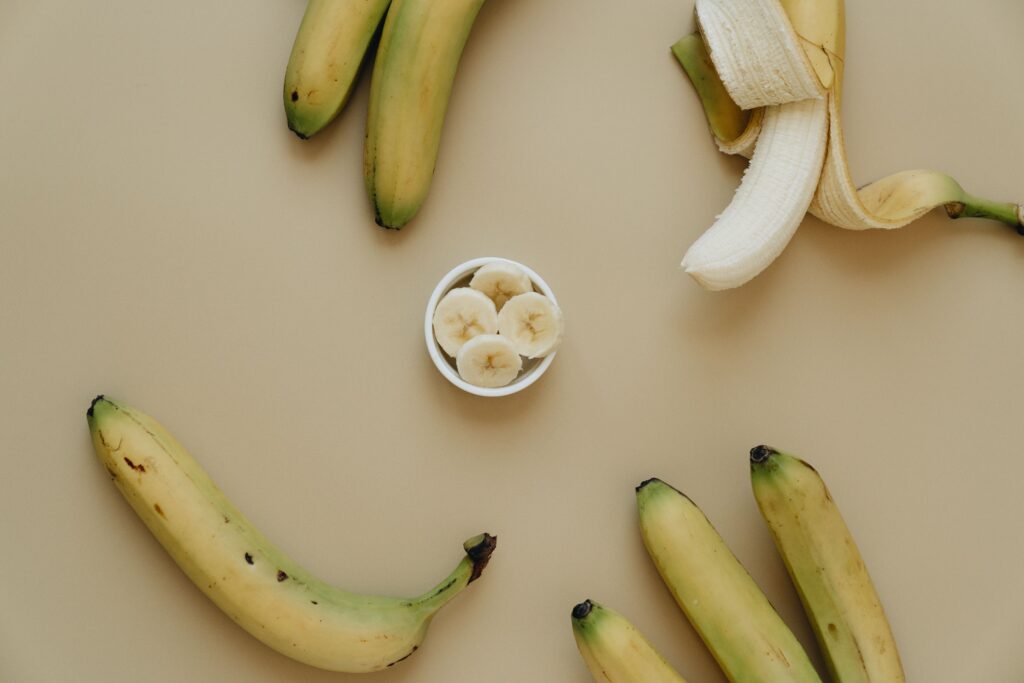
For households in every state, including families that pack bananas in school lunches or keep them on the counter for quick breakfasts, the confirmed point is straightforward: rinsing the peel is a food-safety step, not a cosmetic one. The FDA’s guidance does not require a special sanitizer, a scrub brush for bananas, or a soaking routine.
What is not known is how many U.S. consumers already do this consistently. Federal guidance explains the method, but it does not provide a national compliance rate for banana washing specifically, and agencies have not released banana-by-banana contamination figures for routine home handling.
The advice also matters more in some common situations than others. If a banana is sliced onto cereal, added to fruit salad, or cut for children, a knife can contact the peel before reaching the fruit. In those cases, the reason for rinsing is easy to see because the blade can carry material from the outside inward during preparation.
The reason is cross-contact, not just visible dirt
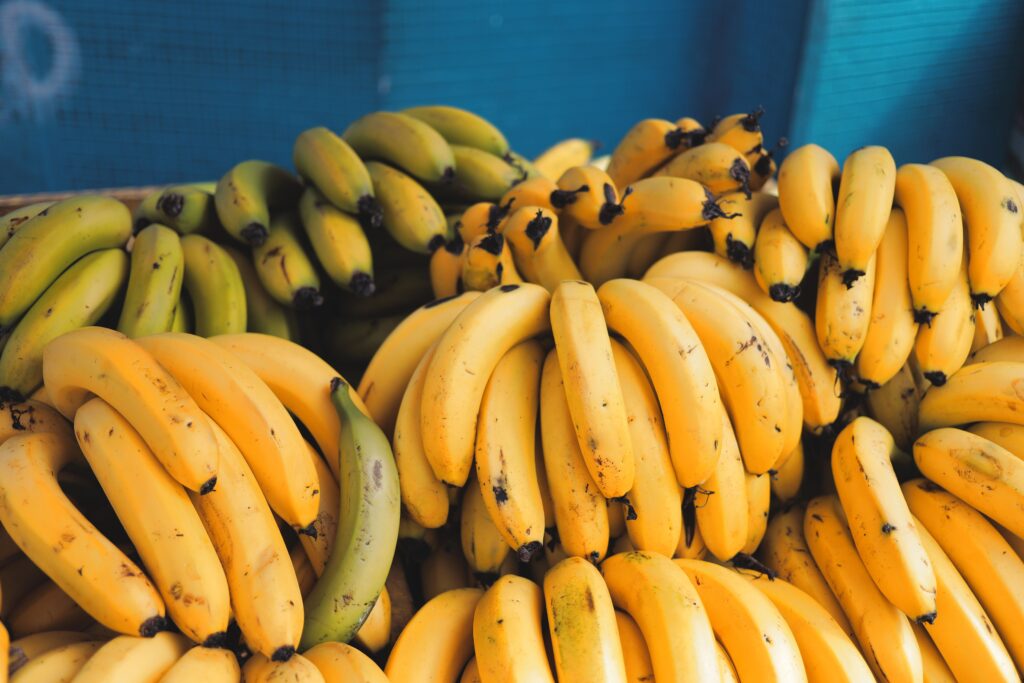
The FDA says fresh produce can become contaminated in multiple ways before it reaches a kitchen, including through contact during growing, transport, storage, and retail handling. That means a clean-looking banana peel is not the same as a washed one, even when there is no visible soil on the surface.
The agency’s core concern is transfer. When a banana is peeled by hand or cut with a knife, anything on the surface can move to the edible portion or to kitchen tools, counters, and other foods.
The U.S. Department of Agriculture’s food-safety guidance reinforces the same broader principle for fruits and vegetables: rinse produce under running water before eating or preparing it. The recommendation is separate from meat-washing guidance, which USDA says can increase cross-contamination, underscoring that produce and raw meats are handled under different safety rules.
What shoppers and eaters should expect from the advice

For customers, this does not change how bananas are sold, labeled, or priced in stores. It changes what a careful prep routine looks like at home: wash hands, rinse the banana under running water, dry it with a clean cloth or paper towel if desired, and then peel or slice it.
There is also no federal instruction to avoid bananas because of this guidance. FDA and USDA both continue to frame fruits and vegetables as important parts of a healthy diet while recommending routine handling steps that reduce food-safety risks.
So the practical takeaway is modest but specific. A banana remains one of the easiest fruits to eat on the go, but when it is headed to a cutting board, a lunchbox, or a child’s plate, federal guidance says the peel should be rinsed first to reduce the chance that surface contamination travels with it.