The July 4 grocery rush is one of the biggest food-shopping moments of the summer, with retailers and suppliers tracking sharp demand jumps in the days leading up to Independence Day. This year’s clearest signal comes from Instacart’s June 25, 2026 holiday trend report, which highlights nine foods that consistently surge ahead of the holiday weekend.
Instacart’s latest July 4 data points to 9 repeat sellout risks
Instacart said on June 25 that several cookout staples were purchased far more often on July 4, 2025 than on an average day, based on its nationwide grocery-order data. The company reported that sweet corn was up 453% over its yearly average, canned baked beans rose 402%, and hot dog buns climbed 360%. Those are not store-level out-of-stock figures, but they are a verified measure of how sharply demand concentrates around the holiday.
The same Instacart report also identified other categories that repeatedly surge during Independence Day week. Watermelons, hamburger buns, hot dogs, potato chips, ice cream and angel food cake all ranked among foods with outsized holiday demand, according to the company’s published analysis of 2024 and 2025 shopping behavior. Together, those items form a practical watch list for shoppers because they overlap with the core ingredients of a standard backyard cookout.
That is why this year’s nine foods to watch are straightforward: hot dog buns, hamburger buns, hot dogs, watermelon, sweet corn, canned baked beans, potato chips, ice cream and angel food cake. The company did not publish a national out-of-stock count for those products, but its order-share data shows they are among the foods most likely to see a last-minute rush.
The local effect depends on each store, and full sellout lists are rarely public
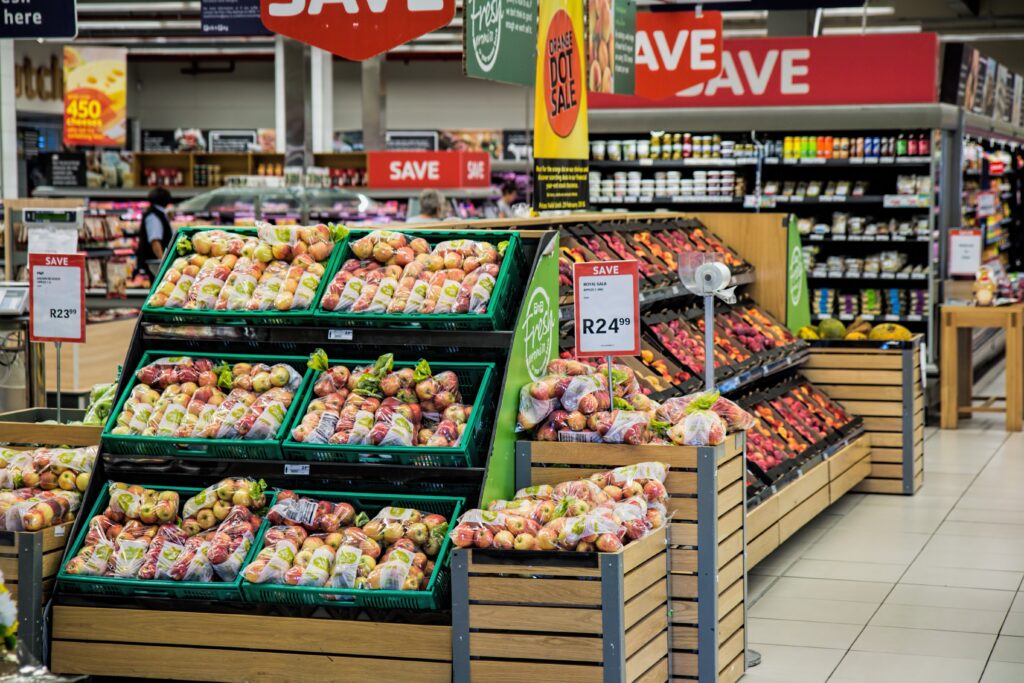
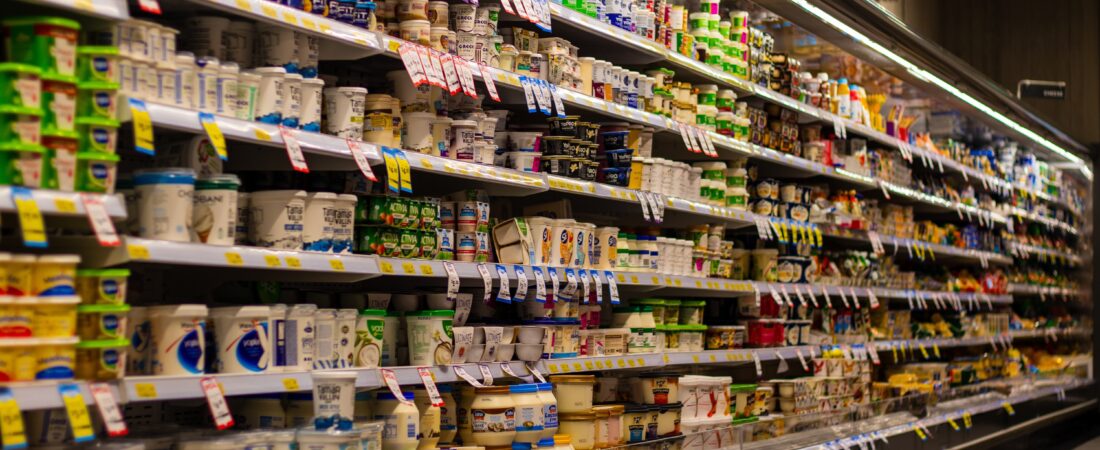
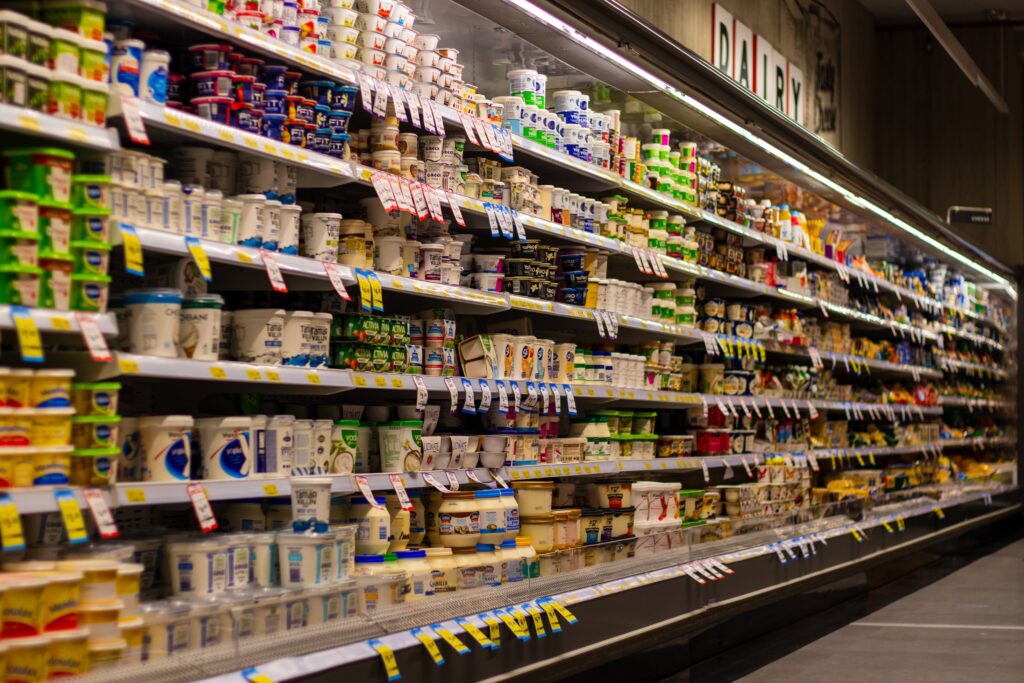
For shoppers in the United States, the impact is felt less as a formal shortage and more as uneven shelf availability in the final days before July 4. Grocery chains and convenience retailers often do not release a comprehensive public list of which locations run out of buns, chips, ice or produce first. That means customers usually see the pattern store by store, rather than through a national recall-style notice.
What is confirmed is that holiday demand is concentrated and predictable. Instacart’s state-by-state holiday food analysis has also shown that chip preferences and specific July 4 buying habits vary by market, which suggests local inventory pressure can differ depending on what shoppers in a given state buy most heavily. One region may clear out watermelon bins faster, while another may burn through buns or canned sides.
That leaves some uncertainty at the neighborhood level. No national retailer has released a single verified list of affected stores for the 2026 holiday period, and there is no public database showing which markets are already sold out. What is public is the broad demand pattern, and that pattern consistently centers on grill meats, bread, produce, sides and frozen desserts.
Higher cookout demand and elevated food costs help explain the crunch
The holiday squeeze is happening against a backdrop of still-elevated cookout costs. American Farm Bureau Federation reporting on its annual market basket has shown that the price of a July 4 cookout remains well above where it stood five years ago, even as some individual items have become less volatile. Its recent analysis said the total cost of common cookout foods has increased about 30% over five years.
That matters because higher prices can influence both buying behavior and retailer ordering. When shoppers narrow their purchases to familiar holiday staples, demand becomes even more concentrated in a short window. Farm Bureau’s cookout basket includes many of the same categories that dominate holiday grocery trips: burgers, chips, baked beans, potato salad ingredients, fruit, cookies and ice cream.
Industry merchandising materials also show suppliers planning specifically for late-June and early-July demand around watermelons, potatoes and other cookout produce. The larger context is not a sudden supply-chain breakdown. It is a recurring holiday pattern in which millions of households shop for many of the same items at nearly the same time.
What shoppers should expect in the final days before Independence Day
For customers, the practical takeaway is that the most vulnerable foods are the ones tied to a full cookout menu, not niche products. Buns, hot dogs and hamburger supplies tend to move together, while watermelon, corn, chips, baked beans and ice cream fill out the rest of the basket. Angel food cake also gets a seasonal lift because it is commonly used for patriotic berry desserts, according to Instacart’s analysis.
Shoppers should also expect substitution rather than complete category disappearance in many stores. A preferred bun brand may be gone while another remains, or a large seedless watermelon may sell through before smaller fruit. The same can happen in frozen dessert aisles, where some flavors run short before the category is fully empty.
Retailers have not announced a nationwide shortage tied to July 4, and the available data does not support that conclusion. What the numbers do show is a concentrated annual surge in nine familiar foods, with Instacart’s June 25 report and Farm Bureau’s cookout pricing data both underscoring how tightly holiday demand remains focused on classic backyard staples.