When school cafeterias close for summer, the federal government now has a permanent grocery benefit aimed at filling part of that gap. This year, the focus is USDA’s SUN Bucks program, which provides $120 per eligible child in participating states, tribes, and territories.
USDA’s SUN Bucks program offers $120 per eligible child
The U.S. Department of Agriculture’s Food and Nutrition Service said SUN Bucks, also known as Summer EBT, provides $120 in grocery benefits for each eligible school-age child during the summer. USDA states that many children are enrolled automatically if their households already receive SNAP, TANF, FDPIR, or certain other income-based benefits.
The program is permanent federal policy, not a one-time pandemic benefit. USDA codified Summer EBT in an interim final rule that took effect on December 29, 2023, after Congress created the program in the Consolidated Appropriations Act, 2023.
USDA’s benefit tables show the standard 2025 total summer benefit for children in the 48 contiguous states and the District of Columbia remains $120, equal to $40 per month for three summer months. Higher totals apply in some non-contiguous areas, including parts of Alaska, Hawaii, and several U.S. territories, where federal benefit levels differ.
Eligibility depends on where a family lives and how benefits are issued
The local impact varies because SUN Bucks is not administered the same way nationwide. USDA’s SUN Bucks map says families must live in a participating state, tribal nation, or territory, and the federal page continues to update as agencies finalize participation plans for 2026.
What is confirmed is that many families do not need to file a separate application if their children are already identified through SNAP, TANF, FDPIR, or free and reduced-price school meal eligibility. USDA also states that, once a child is enrolled, benefits may be added to a household’s SNAP account, issued on a separate EBT card, or sent by another state-specific method.
What is not uniform is the application process, mailing timeline, or final list of participating agencies in every jurisdiction for every summer cycle. USDA directs families who are not automatically enrolled to check their own state, tribe, or territory for deadlines and instructions, and the agency has not released one single national application.
The program is designed to replace part of what families lose when school ends
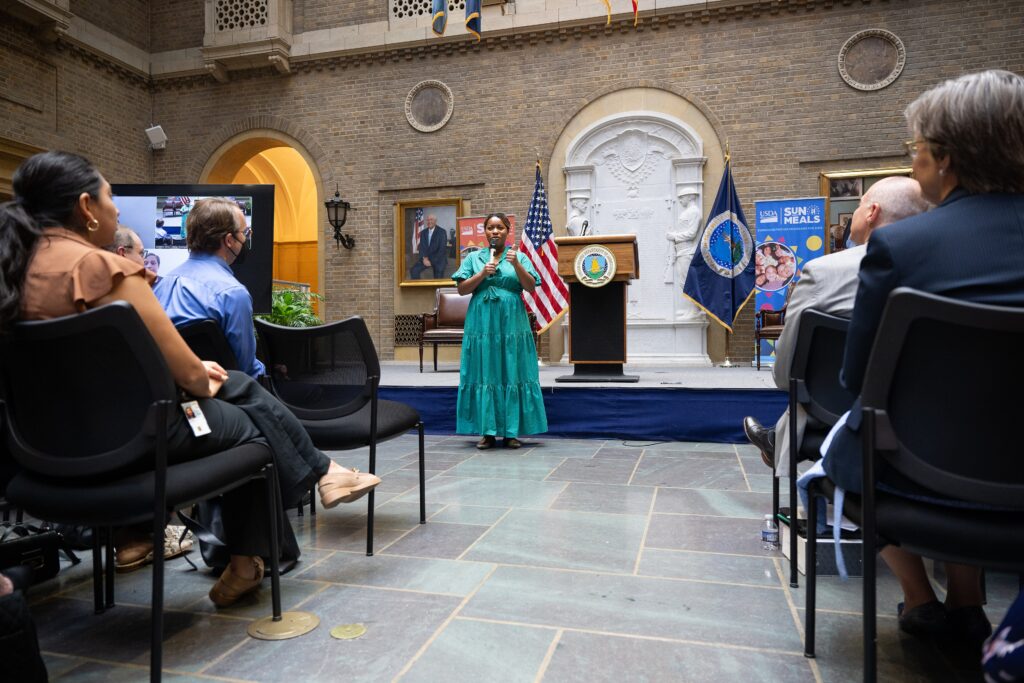
The reason for SUN Bucks is straightforward: children lose regular access to school breakfasts and lunches when classes end. USDA says the program exists to help ensure continued access to food when school is not in session for the summer.
The program also follows the end of the temporary Pandemic EBT era. USDA’s Economic Research Service said Congress replaced P-EBT with the new permanent Summer EBT program, which began operating in summer 2024 and provides qualifying households with grocery benefits for the summer months.
That context matters because SUN Bucks works alongside, not instead of, summer meal sites. USDA says children can still receive free meals through SUN Meals locations, and in some rural areas, eligible communities may also have access to SUN Meals To-Go.
What families should expect when claiming or receiving the benefit
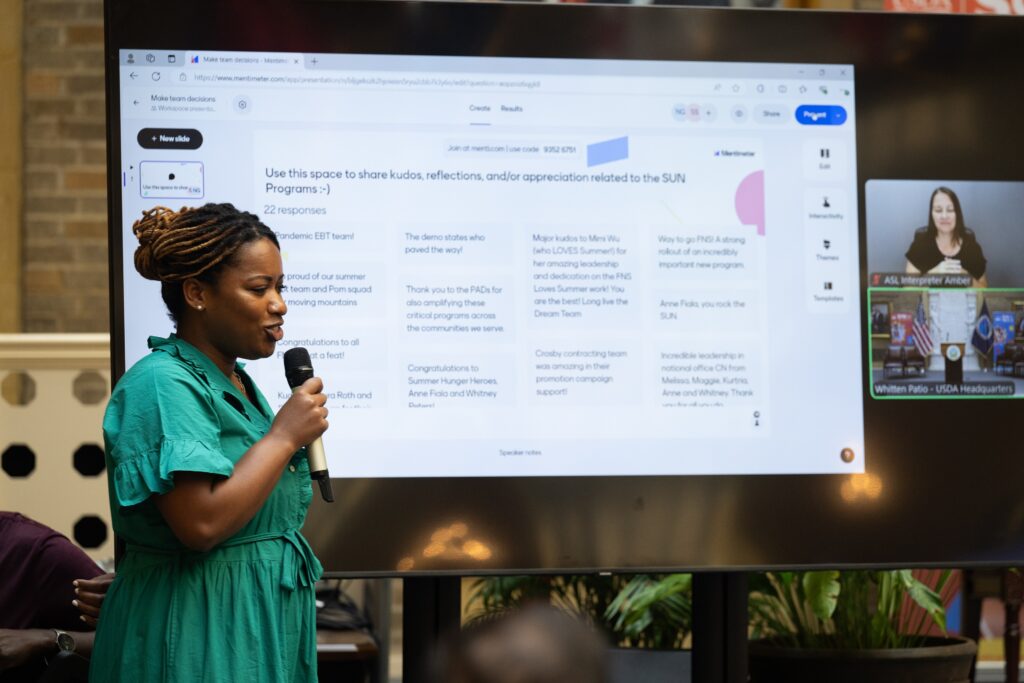
For families already connected to income-based assistance, the practical takeaway is that the benefit may arrive automatically. USDA says households that are not auto-enrolled may still qualify, but they must apply through the agency that administers SUN Bucks where they live.
If an application is required, USDA says families should be prepared to provide the child’s name, date of birth, school, home address, and household income information. Benefits can be used on approved grocery items such as fruits, vegetables, meat, dairy, breads, cereals, and non-alcoholic drinks.
USDA also notes that SUN Bucks cannot be used for hot foods, household supplies, hygiene products, pet food, or medicine. As of USDA’s latest update, the agency says the 2026 participation page will continue to change as states, tribes, and territories finalize their plans, meaning families should expect details to remain location-specific through the summer.