Americans are still spending heavily on meals prepared at home as grocery value and convenience continue to shape dinner routines. That wider shift helps explain why dump-and-bake dinners, a low-prep format built around combining ingredients in one dish and baking them, are getting renewed attention in home kitchens.
A low-prep dinner format is gaining traction
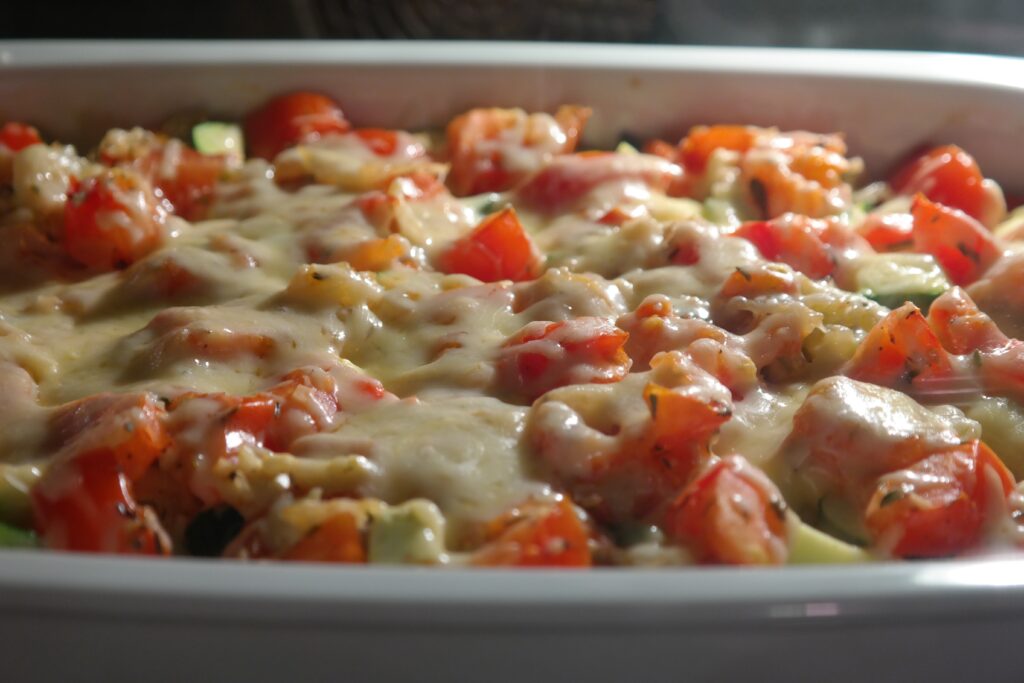
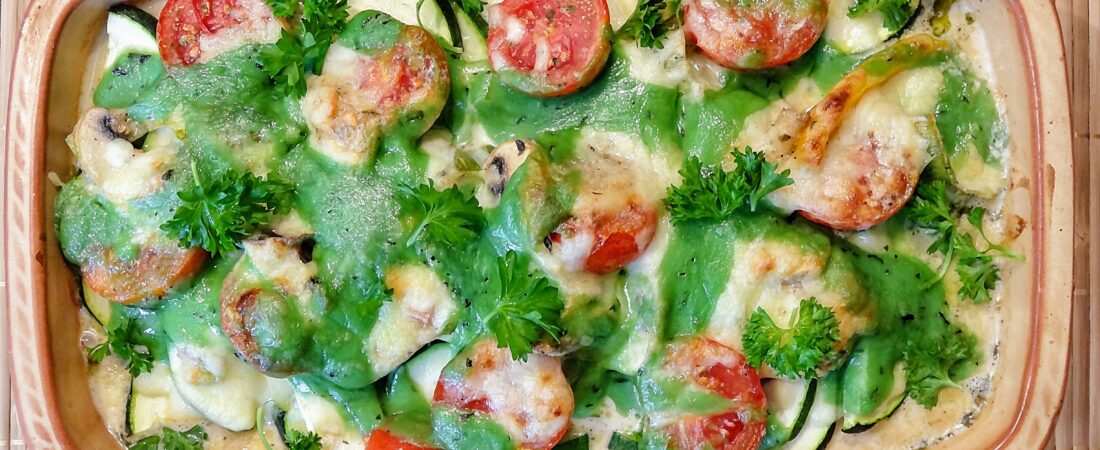
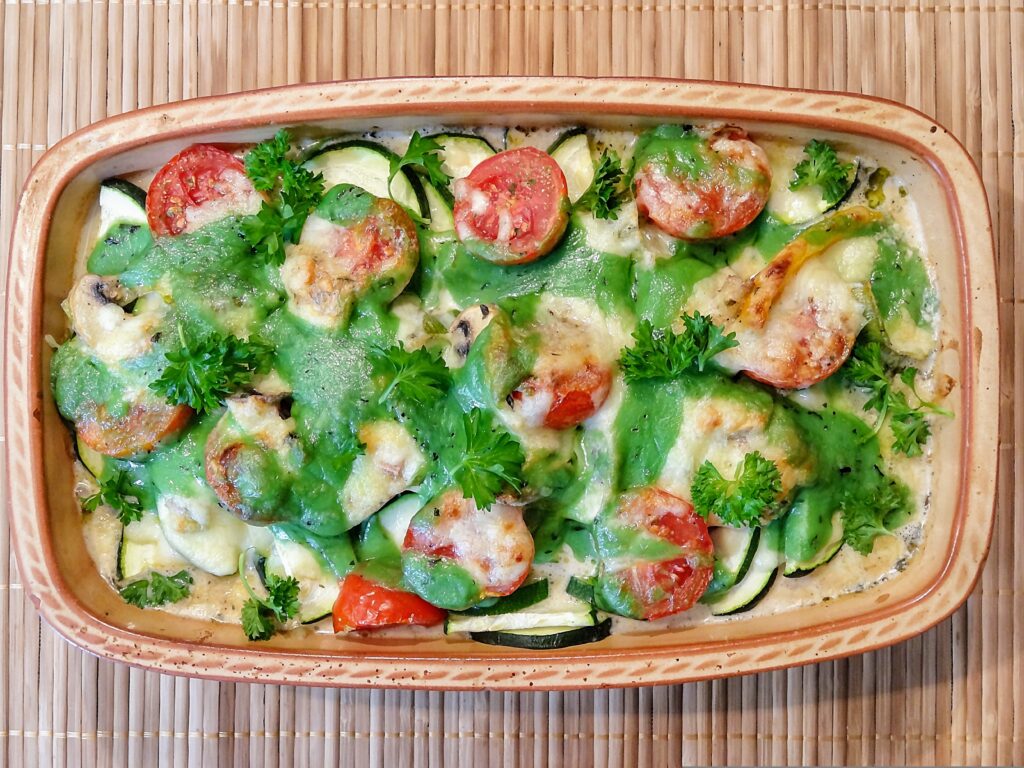
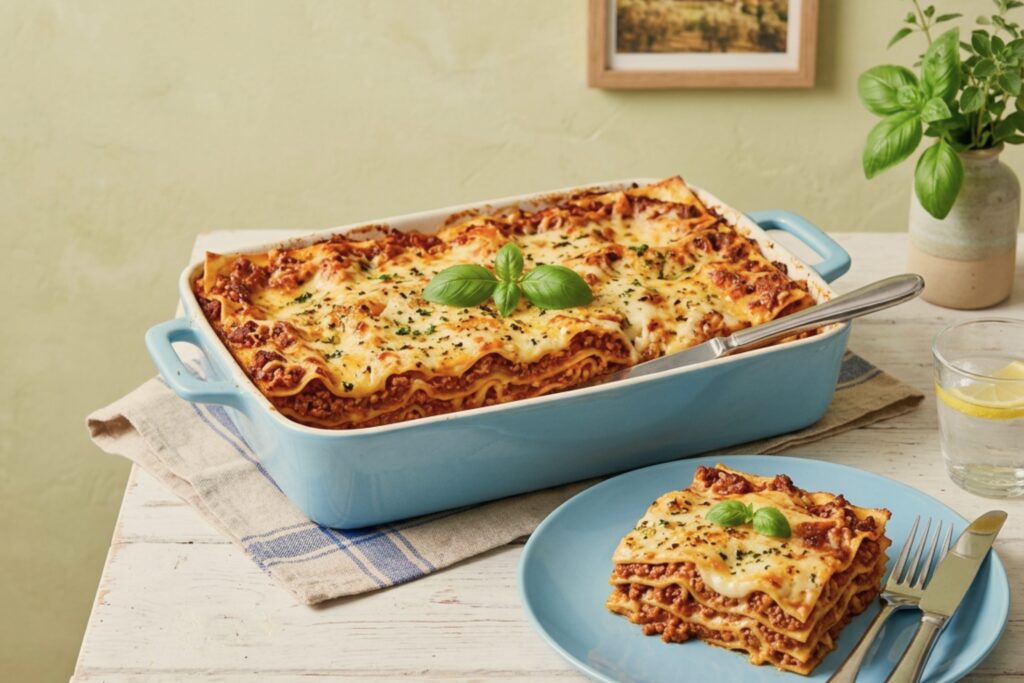
Dump-and-bake is not a single branded product or a formal company launch. It is a home-cooking format centered on assembling ingredients, usually in one casserole dish or baking pan, with minimal stovetop work, then finishing the meal in the oven. Food publishers including Allrecipes and Food & Wine have continued to feature versions of the approach as part of their convenience-focused recipe coverage, reflecting steady interest in simplified dinner formats.
The broader scale behind that interest is measurable. Circana said in its May 12, 2026 announcement tied to new Purchase to Consumption data that the average consumer spends $3.78 per person on dinner occasions at home. That company statement also described a $100 million annual opportunity for retailers that better align with how consumers actually eat at home.
The timing matters because convenience is now a defining part of the dinner conversation. Whole Foods Market’s 2026 trends outlook, as reported by The Food Institute, identified “upgraded convenience” as a major direction for food shopping, showing that shoppers are not just looking for ingredients, but also for easier ways to turn them into dinner.
The impact shows up in everyday kitchens, not a single state rollout
Unlike a restaurant closure or supermarket expansion, dump-and-bake dinners do not have a confirmed list of affected cities or states because there is no central operator. What is confirmed is the larger national pattern around eating at home. Circana said in its 2024 Eating Patterns in America report that 86% of eating occasions over the prior year were sourced from home, a figure that gives context for why easy dinner methods continue to resonate.
That means the local impact is less about one chain or one grocery banner and more about how households manage weeknight meals. For readers in any state, including high-cost markets where restaurant prices remain elevated, the appeal is tied to fewer pans, less active cooking time, and more predictable grocery spending.
What is not yet publicly known is how much of that behavior can be directly quantified as “dump-and-bake” specifically. No major industry tracker has released a national count for that exact meal category. The available reporting instead supports the broader trend: consumers are looking for practical at-home meal options that reduce effort without fully replacing cooking.
Cost pressure and convenience are driving the shift
Several named sources point to the same basic forces. The Food Institute reported in May 2026 that Americans were increasingly opting for casual nights at home, citing rising restaurant prices and changing work schedules. That same report referenced government data showing food-away-from-home prices rising faster than grocery prices over the prior year.
Circana’s research also frames the issue around consumption habits rather than simple checkout data. David Portalatin, Circana’s senior vice president and food industry adviser, said retailers have historically struggled to target at-home occasions because purchase data alone does not show how, when, or why food is actually used. That gap matters for dinner, where consumers may be buying basic items like pasta, sauce, frozen vegetables, and shredded cheese precisely because they can be turned into low-effort oven meals.
Nutrition guidance also supports the broader practicality of simpler cooking. The Academy of Nutrition and Dietetics said in 2026 meal-planning advice that preparing food at home can help people save money and stay on track, while also emphasizing that cooking becomes easier with planning and basic tools.
What home cooks can expect next
For customers, the main takeaway is straightforward: convenience in home cooking is becoming more structured, not less. That does not necessarily mean fully prepared meals replace scratch cooking. Instead, it points to more hybrid routines where shoppers use pantry staples, jarred sauces, pre-cut vegetables, rotisserie chicken, or frozen ingredients to build oven-ready dinners with less labor.
Retail and food companies are already watching that behavior closely. Circana’s recent work suggests dinner at home remains a major spending occasion, while food trend coverage for 2026 continues to highlight convenience as a durable consumer priority rather than a short-term fad.
In practical terms, readers should expect continued growth in recipe coverage, meal kits, frozen sides, prepared proteins, and grocery merchandising built around easy assembly dinners. The confirmed industry context is that home remains the center of most eating occasions, and low-prep formats like dump-and-bake fit squarely within that pattern.