Starbucks is leaning harder into matcha in 2026 as tea demand grows across its U.S. menu. For some regulars, that same expansion has made a basic question feel more practical: whether buying Starbucks matcha still makes sense when making it at home is now easier and more customizable.
Starbucks expanded matcha in 2026 while changing how the drink is built
Starbucks confirmed on March 12 that it introduced a new unsweetened matcha powder in U.S. stores as part of a broader push to give customers more control over sweetness. The company said the move lets customers adjust flavor with syrups instead of relying on a pre-sweetened powder, a notable shift for one of its best-known tea drinks.
The company has also expanded the scale of its matcha business this year. In a February 2026 company post, Starbucks said its year-round matcha lineup had tripled, adding more permanent menu options around a drink category it described as a major platform for innovation.
That means a Starbucks matcha order in mid-2026 is not exactly the same product many customers bought in prior years. On the current nutrition page for a standard hot Matcha Latte, Starbucks lists milk, classic syrup and matcha made from ground green tea, with 220 calories and 29 grams of sugar for one serving shown online.
The shift to home is personal, but the impact is national rather than state-specific
This topic does not involve a confirmed store closure, recall or state-by-state operational change. Starbucks has not released any state-specific notice tied to consumers making matcha at home, and there is no public list of affected U.S. locations because this is a purchasing choice, not a formal company action.
What is confirmed is that the company is marketing more matcha drinks nationally, including spring and summer launches. Starbucks announced new matcha offerings in early 2026 and said a limited-time Blended Matcha Lemonade would join the menu on June 30, showing the category is growing rather than shrinking inside its stores.
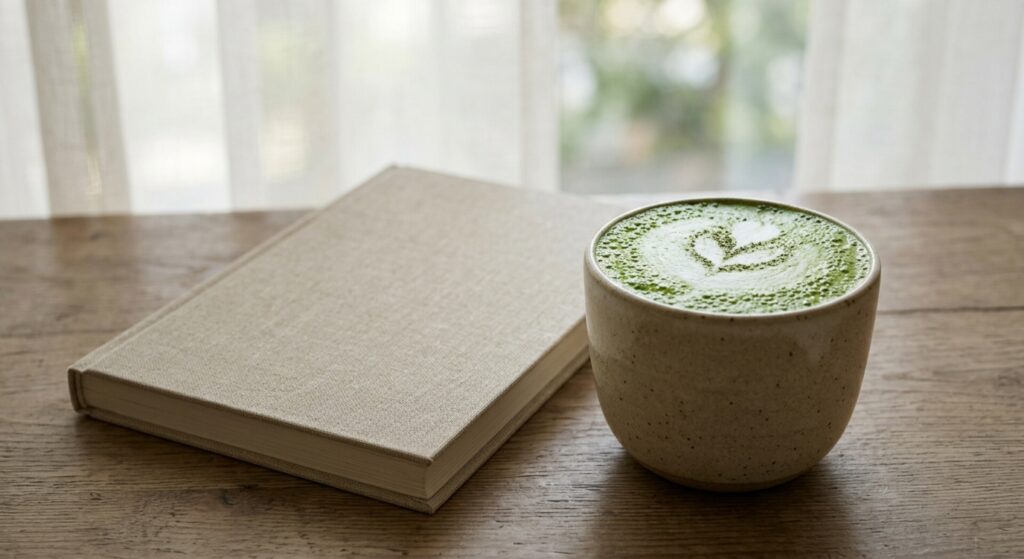
For U.S. customers, including those in states where Starbucks has a dense footprint, the practical effect is mostly financial and routine-based. A homemade matcha can eliminate repeated café visits, let drinkers choose their own milk and sweetness level, and avoid paying for add-ins that are standard in many coffeehouse builds.
Rising tea demand and tighter supply are part of the broader context
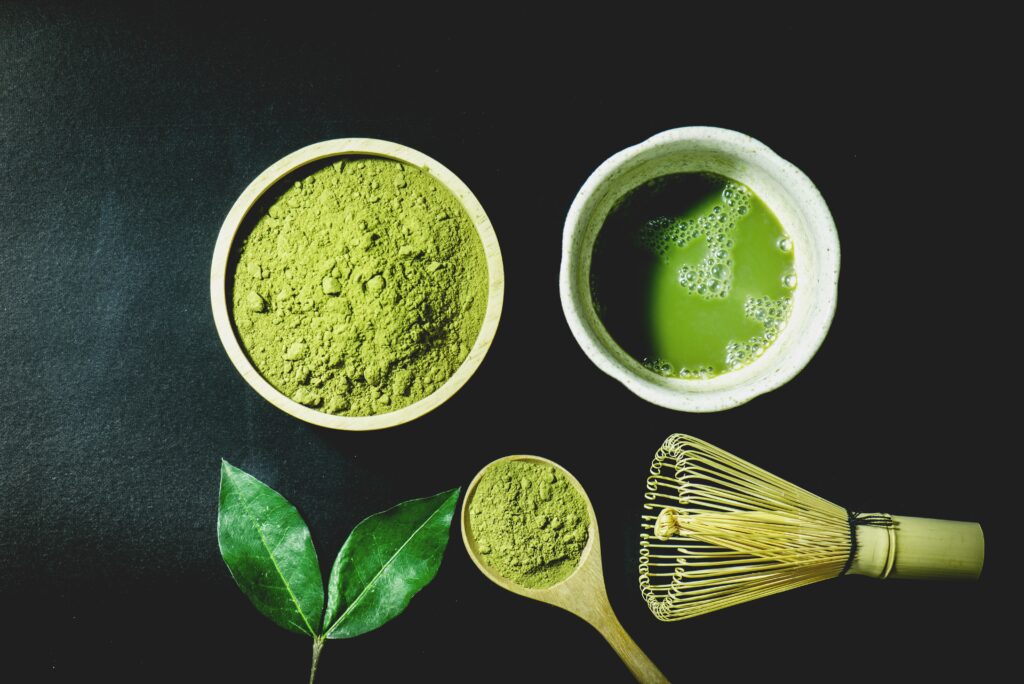
The home-matcha shift is happening against a wider industry backdrop. Starbucks said in April 2026 that its tea sales had climbed more than 70% since 2021, which helps explain why the company continues to add new matcha and chai products across seasons.
At the same time, the cost of matcha itself remains under pressure. Specialty tea seller Kettl said in a 2026 pricing update that opening auction prices were materially above 2025 levels, reflecting a market where high-quality matcha remains expensive before it ever reaches a café or grocery shelf.
That does not automatically make Starbucks matcha overpriced, but it does change the economics for frequent drinkers. When a company is selling a prepared beverage with labor, rent, packaging and customization built into the final ticket, the gap between a café cup and a homemade version becomes easier to notice, especially for customers who drink matcha several times a week.
For customers, the tradeoff is now convenience versus control
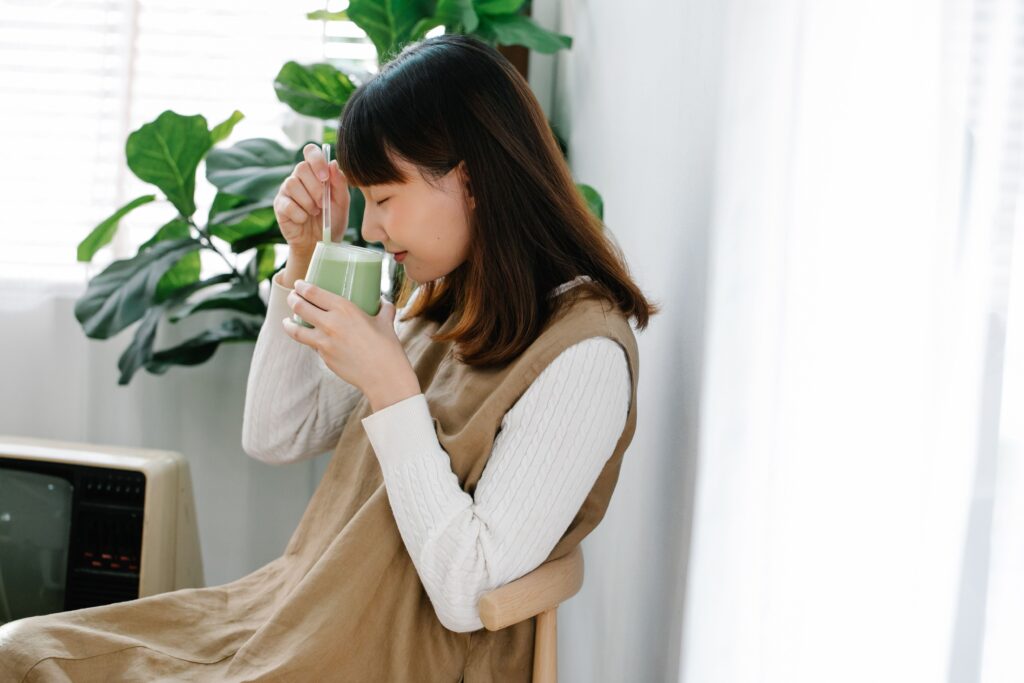
For regular Starbucks customers, the clearest takeaway is that the chain is making matcha more customizable, not less available. The company said unsweetened powder gives customers tighter control over taste, and its 2026 menu strategy shows matcha remains a featured category rather than a niche one.
For people making the drink at home, the main advantage is consistency on their own terms. A home setup allows precise control over powder strength, milk choice, ice, and sweetener, which matters more now that Starbucks itself is emphasizing personalization as a selling point.
That leaves customers with a straightforward comparison. Starbucks still offers convenience, speed and a growing matcha menu, while home preparation offers lower per-cup cost and more control over ingredients. Based on Starbucks’ 2026 statements, matcha is likely to remain a visible part of the company’s U.S. beverage lineup through the rest of the year.