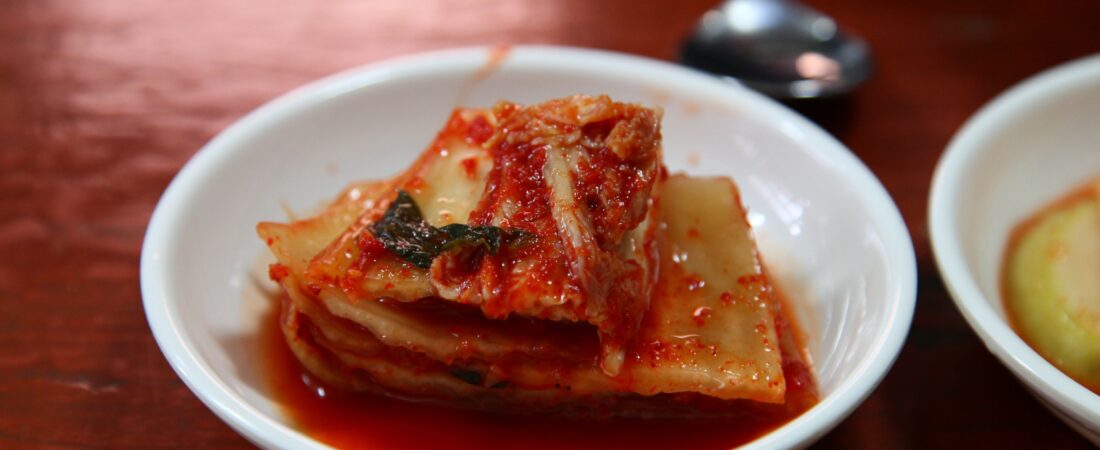
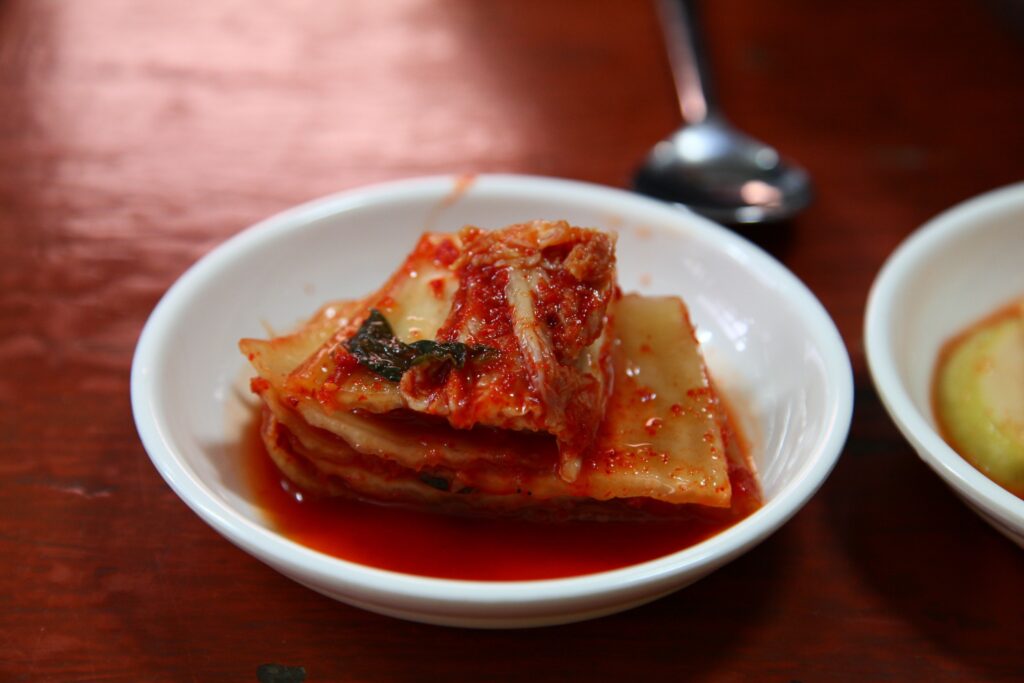
Fermented foods have become a bigger part of the U.S. wellness conversation as researchers keep studying how diet shapes the gut microbiome. A two-week experiment of adding kimchi to every meal fits directly into that trend, but the available evidence suggests any noticeable change is more likely to be about digestion, tolerance, and meal patterns than a guaranteed before-and-after gut reset.
What the two-week kimchi test actually involved
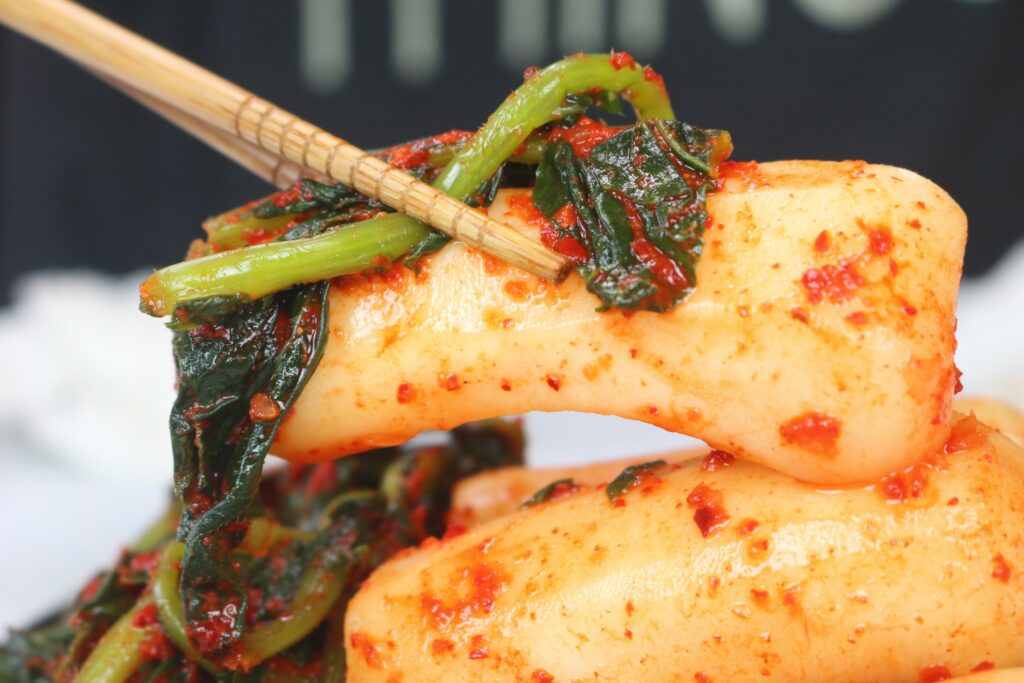
In this case, the defining action was simple: kimchi was added to every meal for 14 straight days. That is a meaningful change in eating pattern because kimchi is a fermented vegetable food that can contribute live microbes, fiber, and organic acids, though Harvard’s Nutrition Source notes not every commercially prepared kimchi will still contain live probiotics by the time it is sold.
That distinction matters because “kimchi” is not one uniform product. Some jars are refrigerated and unpasteurized, while others are shelf-stable or heat-processed, which can affect whether live cultures remain. Harvard Health has reported that heat and bright-light processing in commercial manufacturing can reduce or eliminate the very microbes many shoppers associate with fermented foods.
So the scale here is one person, 14 days, and multiple daily servings, not a clinical trial. What can be verified from existing research is that fermented foods are widely studied for their potential role in supporting a healthier mix of gut bacteria, but scientists do not describe a short self-experiment as proof of a lasting microbiome transformation.
What that means in day-to-day digestive terms

For a person eating kimchi at breakfast, lunch, and dinner, the most immediate effects are often practical. The food can add spice, acidity, garlic, and fiber, all of which may change how full someone feels, how often they have bowel movements, and whether they notice bloating or gas, especially if fermented foods were not already part of the diet.
What is confirmed is that fermented foods can support digestive health in some people. Harvard Health says live microorganisms in fermented foods may help maintain a healthier gut balance, and Harvard’s public health reporting has also pointed to fermented foods and fiber as part of broader eating patterns that can support the microbiome.
What is not known from a personal two-week challenge is whether any gut-microbe shift would be measurable without stool testing or other formal analysis. Symptoms can improve, stay the same, or worsen depending on the person, the amount eaten, and the specific product used.
Why researchers are interested in kimchi in the first place

Scientists focus on kimchi because it is a fermented vegetable food associated with lactic acid bacteria, the same broad group often discussed in probiotic research. Reviews in peer-reviewed journals and the National Library of Medicine archive describe kimchi as one of several fermented foods being studied for how it may interact with the human gut microbiota.
But the larger context is important. A widely cited Stanford study, summarized by Harvard Health, found that diets rich in fermented foods increased gut microbiota diversity and lowered several inflammation markers over time. That finding supports interest in foods like kimchi, yet it still does not mean one specific food eaten for two weeks will produce the same measurable effect in every person.
Harvard’s Nutrition Source adds another layer: long-term dietary pattern matters more than any single add-on food. Experts there emphasize that fiber from fruits, vegetables, beans, whole grains, nuts, and seeds helps build a robust microbiome, which means kimchi may be most useful as one part of a bigger eating pattern.
What readers should realistically take from a 14-day experiment
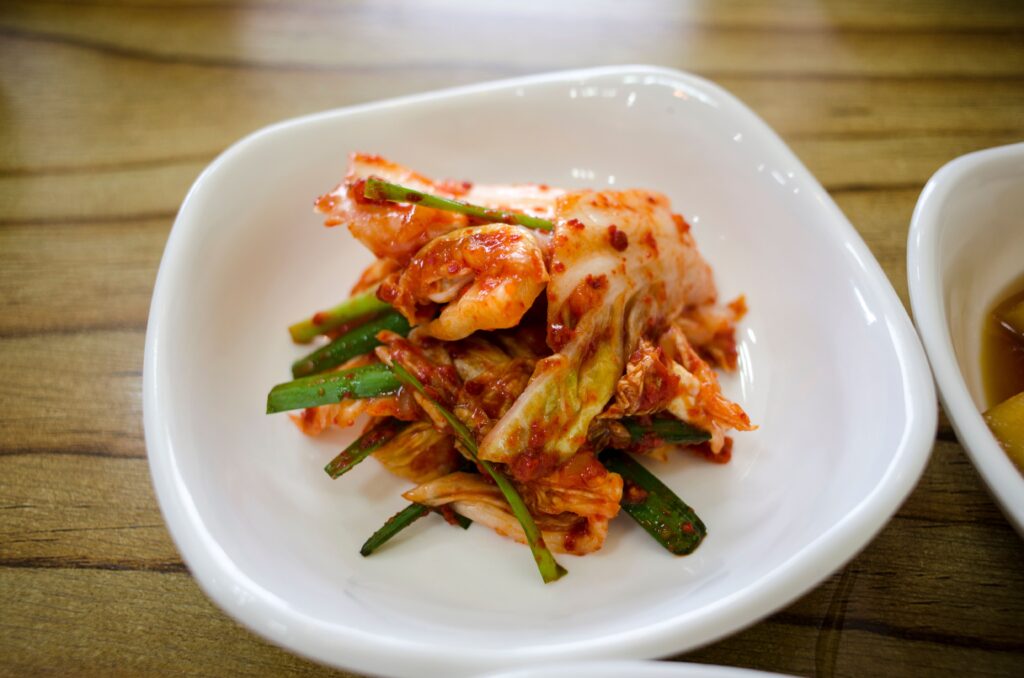
For customers scanning the refrigerated aisle or trying a home challenge, the practical takeaway is restrained. A two-week kimchi routine may coincide with easier digestion, more regular bowel movements, or a feeling of eating more vegetables, but it may also bring excess sodium, heartburn, or irritation for people sensitive to spicy or fermented foods.
Another key point is product labeling. Harvard’s Nutrition Source says fermented vegetables do not automatically qualify as probiotic foods unless live and active cultures are present and the strains have demonstrated health benefits. In other words, buying kimchi is not the same as buying a clinically studied supplement, even if both are discussed in gut-health language.
The broader industry context remains steady: fermented foods continue to draw research attention, and kimchi remains part of that conversation. The strongest evidence supports variety, consistency, and overall diet quality, not dramatic promises from a single 14-day test.