

Foodborne illness investigations tied to unpasteurized dairy have repeatedly drawn federal and state scrutiny in the U.S., where regulators continue to warn that raw milk can carry pathogens eliminated by pasteurization. In California, that scrutiny centered on Raw Farm LLC in Fresno County after state testing and public health investigators connected one of its raw milk products to a Campylobacter-related recall in October 2023.
Raw Farm’s recall was specific, but the public record stayed narrow
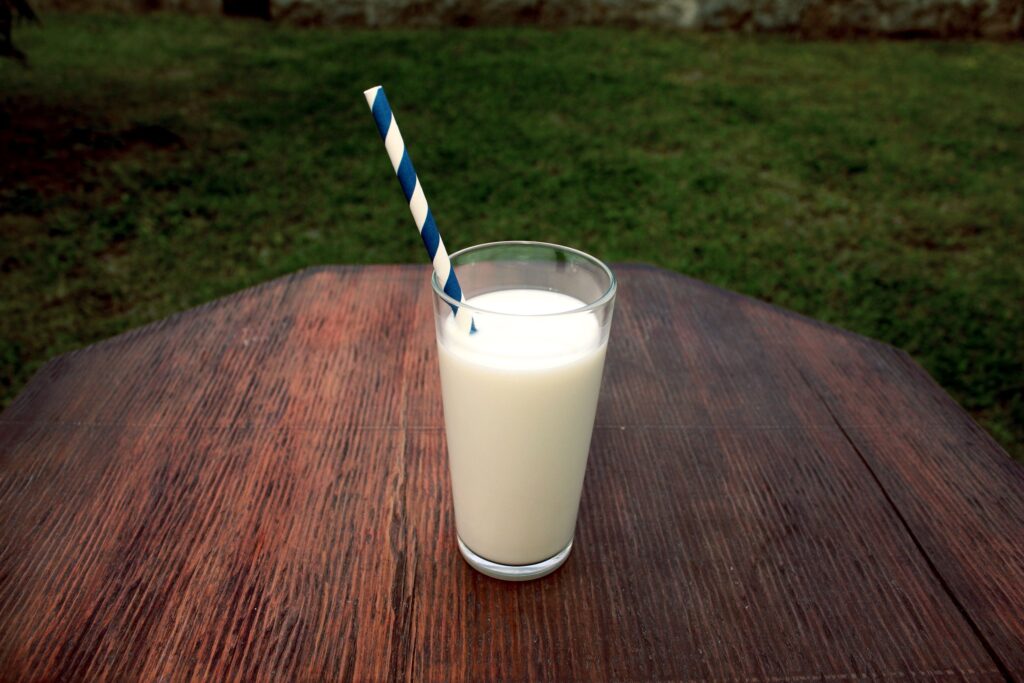
California regulators identified the product as Raw Farm LLC whole raw milk sold in gallon and half-gallon containers, and the recall was tied to bottles marked with a best-by date of Nov. 6, 2023, according to state recall notices and reporting based on California Department of Public Health and California Department of Food and Agriculture actions. The official action followed testing that found Campylobacter in a retail sample, and stores were instructed to remove the affected milk from sale.
The timing matters because the recall was announced in late October 2023, after public health officials had already begun reviewing illnesses connected to raw dairy exposure in California. The CDC says Campylobacter infection can cause diarrhea, fever, and stomach cramps, with symptoms typically beginning two to five days after exposure. That means a contaminated product can circulate before a full illness picture is available.
What public officials confirmed was the affected package type, brand, and date code. What they did not publish in the same level of detail was a store-by-store distribution map or a community-level accounting of where every recalled lot had been sold.
California was the focus, but the local footprint was never fully itemized
California is the central state in this episode because Raw Farm is based in Fresno County and the recalled milk was produced and sold there, according to state agencies. Public warnings directed consumers not to drink the affected milk and said the recalled product should be discarded, but the state did not release a comprehensive public list of every retailer or every county that received the implicated lots.
That gap is significant for readers trying to understand neighborhood exposure. Officials confirmed the product category and best-by date, but they did not publicly break out a final case count by city or county in connection with the recalled Campylobacter lots. In practical terms, Californians were told what milk to avoid, but not given a full geographic ledger of where it had traveled at retail.
There is also a broader context around Raw Farm products. CDC publications from later investigations documented separate raw dairy outbreaks tied to the company’s products, including a multistate Salmonella Typhimurium outbreak during 2023 and 2024, showing how one brand can remain under repeated scrutiny for different pathogens over time.
The reason raw milk keeps resurfacing is straightforward
Public health agencies have been consistent on the underlying reason: raw milk is not pasteurized, and pasteurization is the step designed to kill harmful germs. The CDC says raw milk can expose consumers to Campylobacter, Salmonella, E. coli, Listeria, and other pathogens, which is why outbreaks and recalls involving unpasteurized dairy receive close regulatory attention.
California also allows licensed raw milk sales under specific rules. CDFA says dairies that bottle raw milk for public consumption must meet sanitation, animal health, and bacterial-count standards on a continuing basis. Even with that framework, routine testing remains central because regulators can detect contamination in a sample before all illnesses linked to that product are confirmed.
That appears to be what happened here. According to the source material and state descriptions of the event, the recall was triggered after routine sampling identified Campylobacter in a retail sample, not after officials had already publicly published a complete illness tally.
For consumers, the unanswered questions were about scope, not the warning
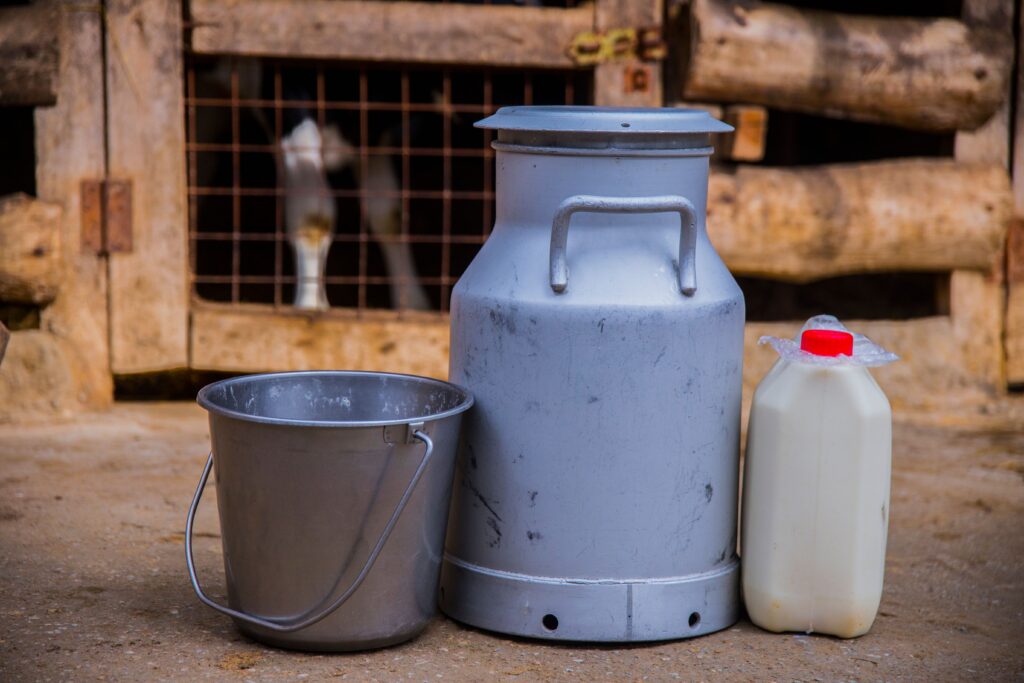
For shoppers, the practical guidance at the time was narrow and direct: do not consume Raw Farm whole raw milk in gallon or half-gallon containers marked with the Nov. 6, 2023 best-by date. That instruction was clear, and California public health officials said the product should be thrown away rather than consumed.
What remained less clear was the full scale of distribution and illness tied to those recalled lots. The public record did not spell out every affected store, did not provide a final community-by-community case map, and did not publicly identify a broader list of additional products under investigation tied to that same Campylobacter recall. Those are the pieces “not being said” in many summaries of the event.
The larger context has not changed. CDC guidance continues to state that raw milk can carry dangerous bacteria even when produced under legal commercial systems, and California’s regulatory structure still relies on testing, recalls, and public notices when contamination is found.