National grocery inflation has cooled from its pandemic peak, but federal data still show seasonal swings in produce and ongoing price movement across staples. That makes this a practical moment to look at nine foods worth freezing now, using USDA price data and federal food-safety guidance as the baseline.
The list: 9 foods with a clear case for the freezer
USDA’s Economic Research Service tracks average retail prices for more than 150 fruits and vegetables, including strawberries, blueberries and sweet corn, and updated that database on December 9, 2025. The same federal system also lists frozen and processed forms for many items, which makes direct freezer planning easier when fresh prices are favorable.
The nine foods with the strongest freeze-now case are strawberries, blueberries, cherries, bananas, sweet corn, sliced bread, butter, fresh herbs and mushrooms. Each either has a strong seasonal price pattern, a short fresh shelf life, or federal guidance specifically noting that freezing is appropriate for safety or quality.
USDA’s March 26, 2026 Fruit and Tree Nuts Outlook also flagged seasonal patterns in strawberry prices and reported lower U.S. highbush blueberry production in 2025, factors that can affect what shoppers see at retail as summer demand builds. That does not guarantee a specific price jump at every store, but it supports buying when prices look favorable in late spring or during weekly promotions.
What it means in the U.S., and what is not uniform by region
This is a national list, not a state-specific shortage notice, and no federal agency has published a single summer 2026 warning covering all nine foods. Prices can vary sharply by region, store format and timing, and USDA’s Food-at-Home Monthly Area Prices program shows that geography still matters in what shoppers pay.
Berries and cherries are especially regional because local harvest windows differ, while butter and bread tend to reflect broader national supply chains. Sweet corn can be cheap in one market while staying higher in another if local production has not fully ramped up.
What is confirmed is that USDA maintains current pricing tools for fruits, vegetables and area grocery costs, and that the agency’s commodity outlooks track supply changes for products including strawberries and blueberries. What is not yet known is a single comprehensive list of summer 2026 retail price moves by chain, city or state for all nine foods.
Why these foods make sense to freeze now

USDA’s Food Safety and Inspection Service says you can freeze almost any food, while also noting that fruits, vegetables and herbs generally hold better quality when handled correctly. FSIS emergency guidance specifically says consumers can freeze items they may not need immediately, including milk, butter, fresh herbs, bread and other baked goods.
For eggs, the federal guidance is more specific: shell eggs should not be frozen in the shell, according to USDA and FDA-linked food-safety materials. That is why eggs are not on this list, even though shoppers often ask about them when prices rise.
The broader context is mixed. Bureau of Labor Statistics data show overall consumer inflation remained elevated enough in 2026 to keep households watching grocery bills, even as some categories moved down and others up. Seasonal produce is still the clearest freezer target because supply peaks are temporary, and highly perishable foods can become expensive simply because waste is expensive.
What shoppers should expect from each item
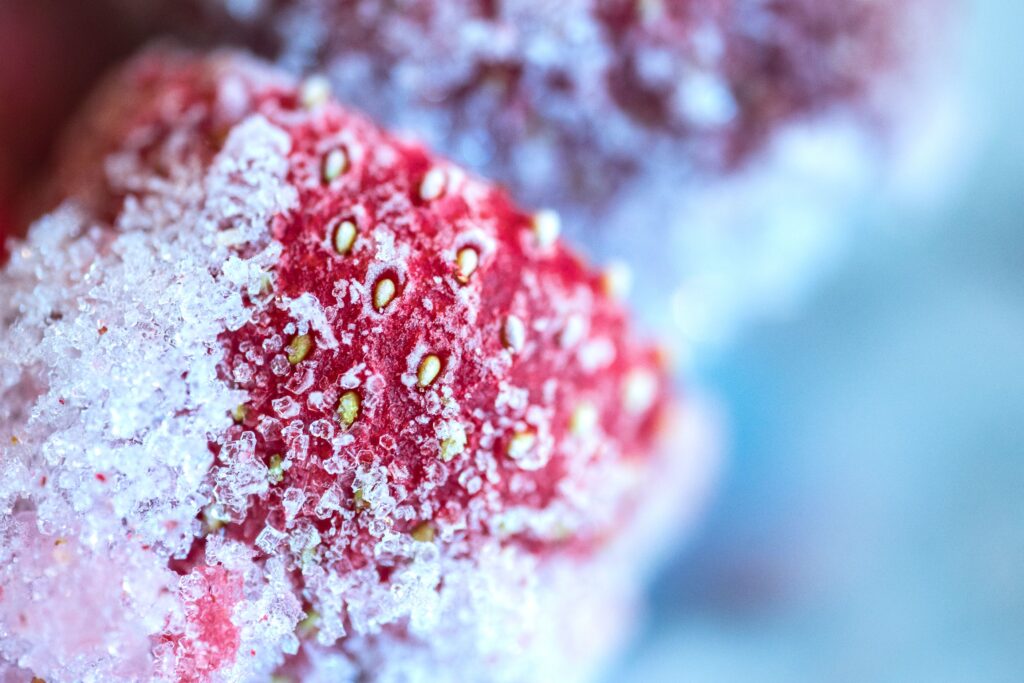
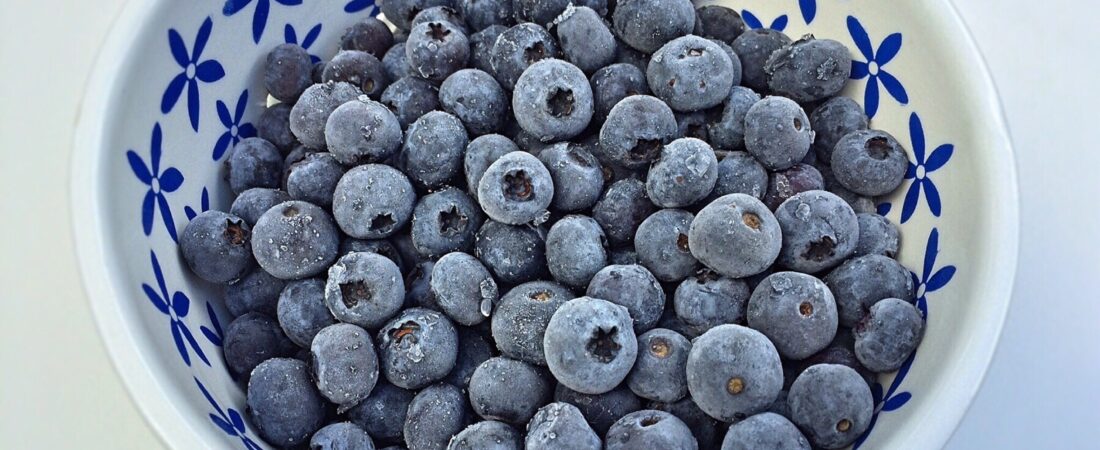
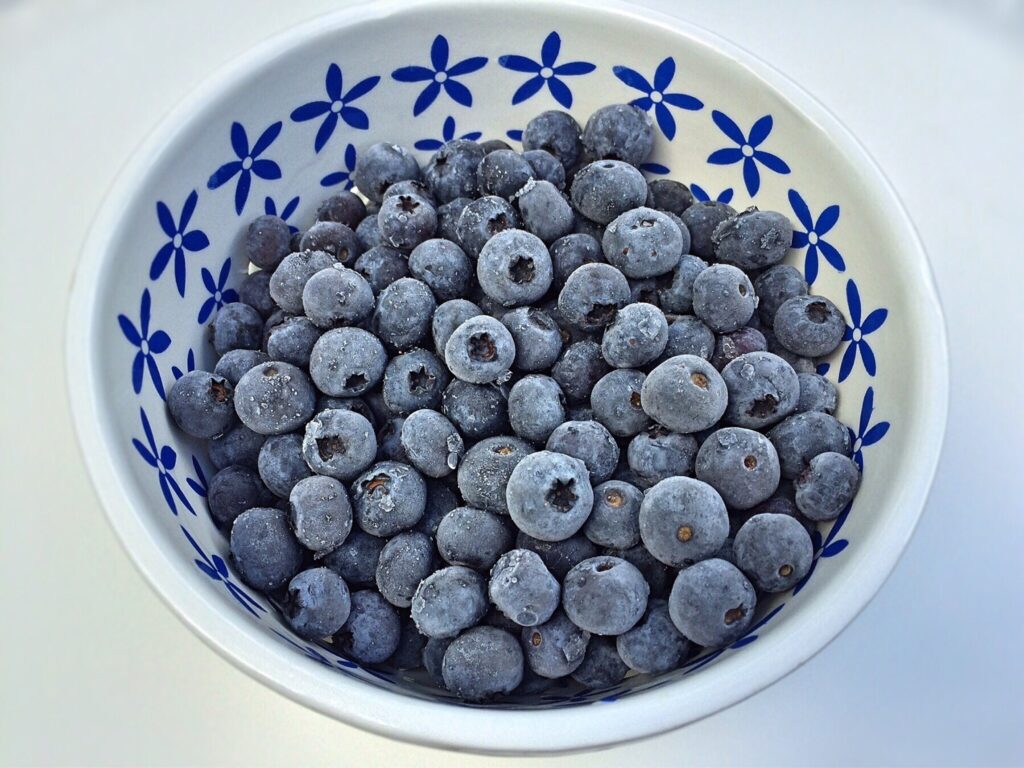
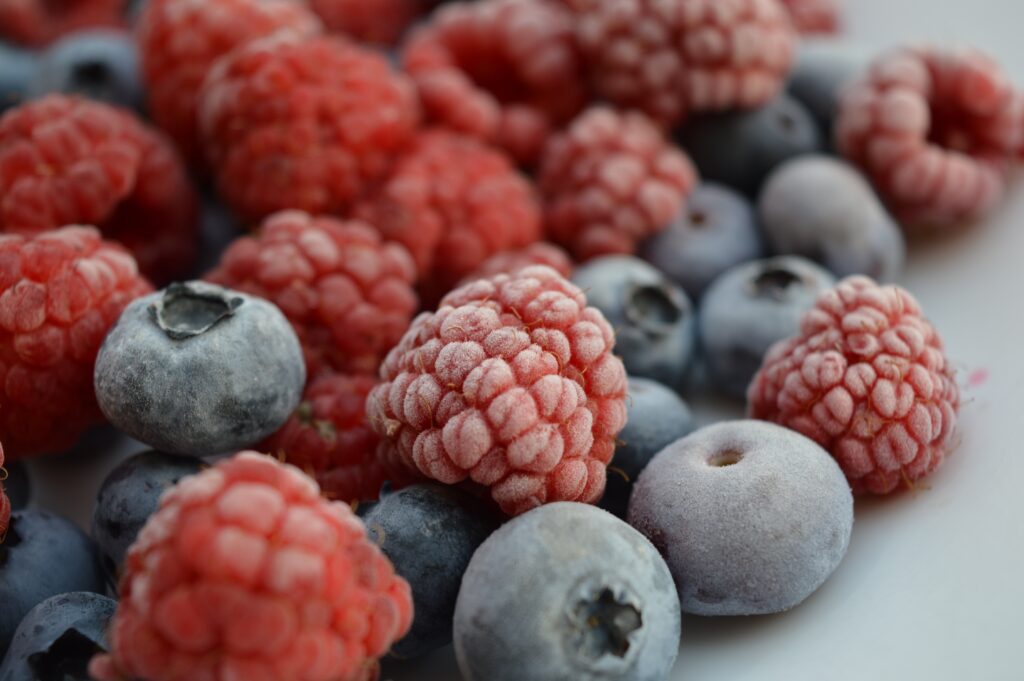
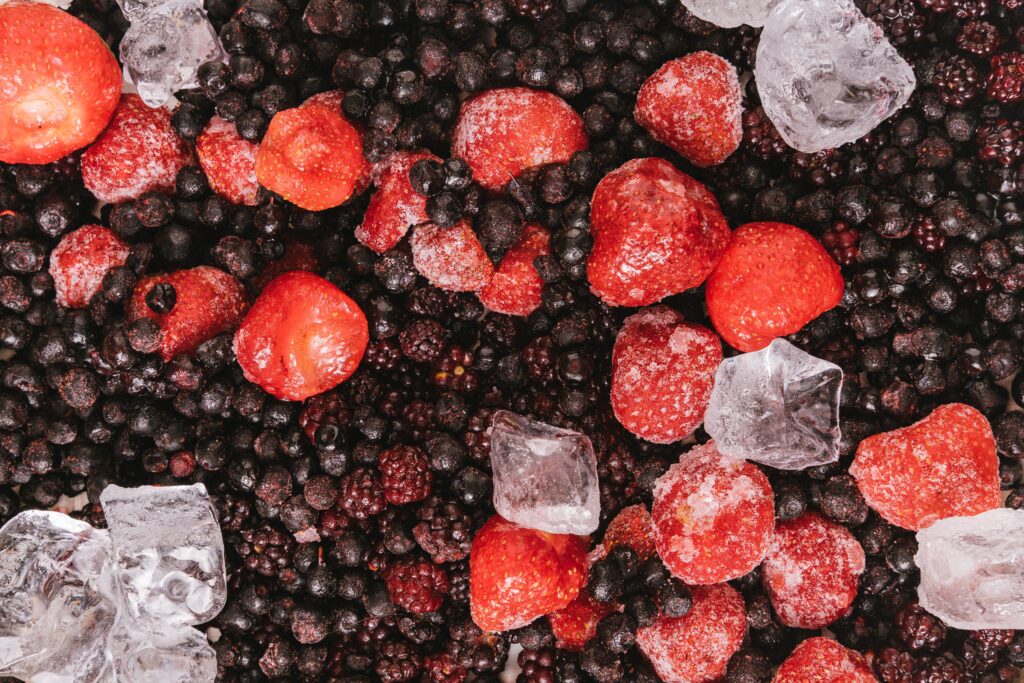
For fruit, the best freezer candidates are strawberries, blueberries, cherries and bananas. Wash, dry and freeze berries in a single layer first if possible; pit cherries before freezing; peel bananas if they are being saved for smoothies or baking.
For vegetables and flavor items, sweet corn, herbs and mushrooms are the practical picks. Corn is widely frozen at home after a quick prep step, herbs can be chopped for later cooking, and mushrooms are usually better frozen for cooked dishes rather than raw salads because texture changes.
For staples, bread and butter are the easiest wins. USDA food-safety guidance recognizes both as freezer-friendly, and they are the kinds of household basics that can quietly cost more when families buy extra for cookouts, travel weeks and summer gatherings. The key takeaway is simple: freeze foods that are either in seasonal abundance now or safely storable according to federal guidance, and use them later when selection, quality or price is less favorable.