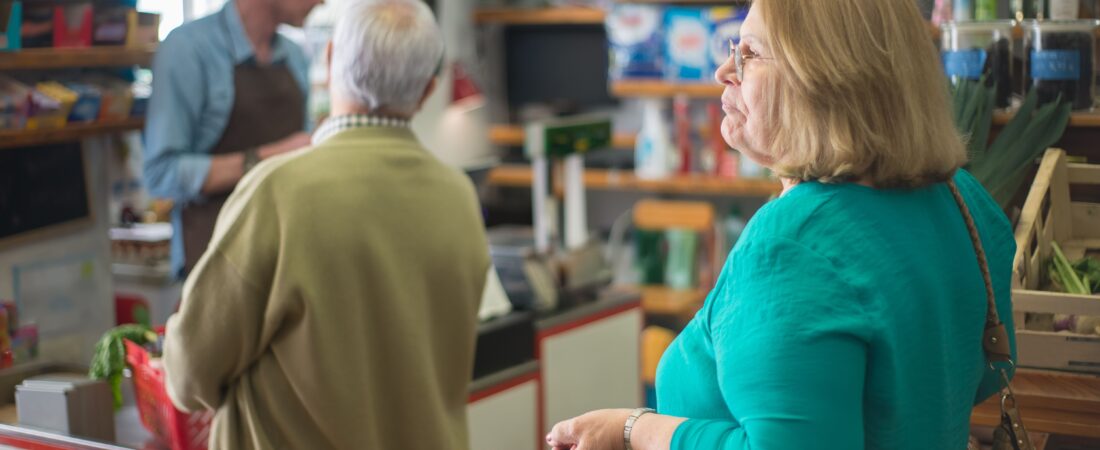
Grocery price growth has slowed in 2026, but U.S. households are still paying close attention to what goes in the cart as food budgets stay under pressure. Across the country, shoppers are cutting costs without coupons by changing where they shop, what brands they buy and how they plan meals.
Store brands and pantry-first planning are leading the shift

One of the clearest changes is the move toward private label products. NielsenIQ reported that U.S. private label sales grew 4.1% year over year, and its consumer outlook found that 30% of Americans are buying more private label alternatives as they look for value. McKinsey also reported that shoppers increasingly see store brands as credible substitutes for national labels, not just cheaper backups.
A second strategy is pantry-first meal planning, sometimes described as “backwards shopping.” The approach starts with checking the refrigerator, freezer and pantry before writing a shopping list, a method highlighted by Kiplinger in February 2026. Consumer Reports has separately said weekly meal planning and using leftovers more deliberately can reduce unnecessary purchases and help households avoid buying duplicate ingredients.
Together, those two habits amount to the first four tactics on many shoppers’ lists: switching to store brands, comparing national and private label prices item by item, planning meals before shopping and using ingredients already at home first.
Frozen basics, unit pricing and fewer impulse trips matter at checkout
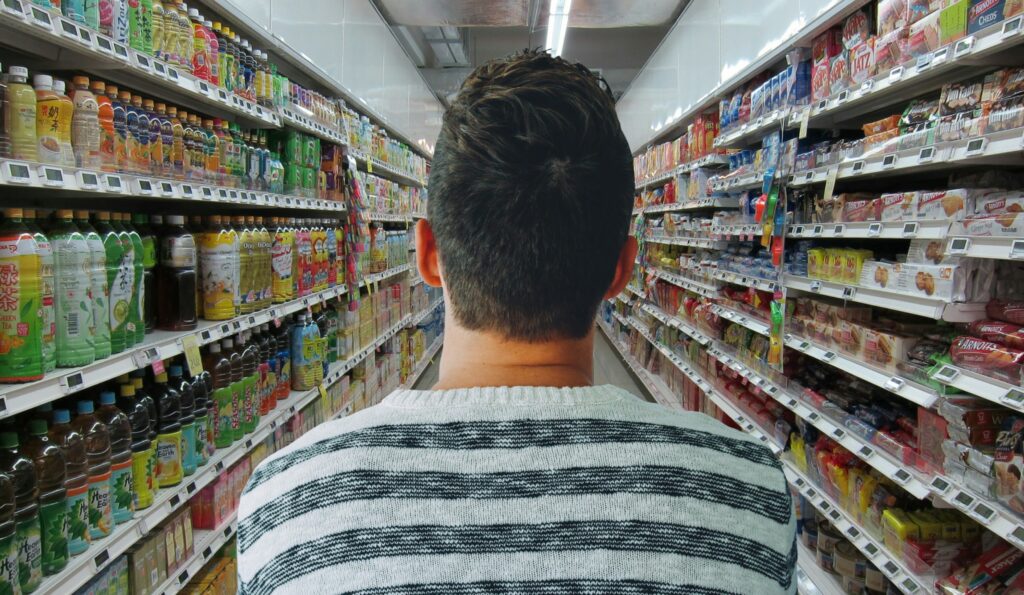
Another set of savings strategies is happening in the aisle itself. Consumer Reports has said shoppers can save by buying single-ingredient frozen fruits and vegetables, which often cost less out of season than fresh produce and also last longer. Freezing seasonal produce at home can extend those savings further, especially for berries and other items that spike in price outside harvest months.
Unit pricing is also getting renewed attention. Rather than looking only at the shelf price, shoppers are comparing the cost per ounce or per pound to decide whether a larger package is actually cheaper. That matters because warehouse clubs and bulk packs do not automatically offer the lowest effective price on every item, and Kiplinger reported in March 2026 that no single store consistently wins every grocery category.
Shoppers are also making fewer unplanned trips. NielsenIQ said 45% of consumers make shopping lists before heading to stores, 44% plan spending in advance and 37% compare prices between brands before deciding. Those habits can limit impulse purchases, which is one reason households often combine list-making, store-brand swaps and one-trip weekly shopping into a single routine.
The reason these habits are spreading is simple: prices are still high
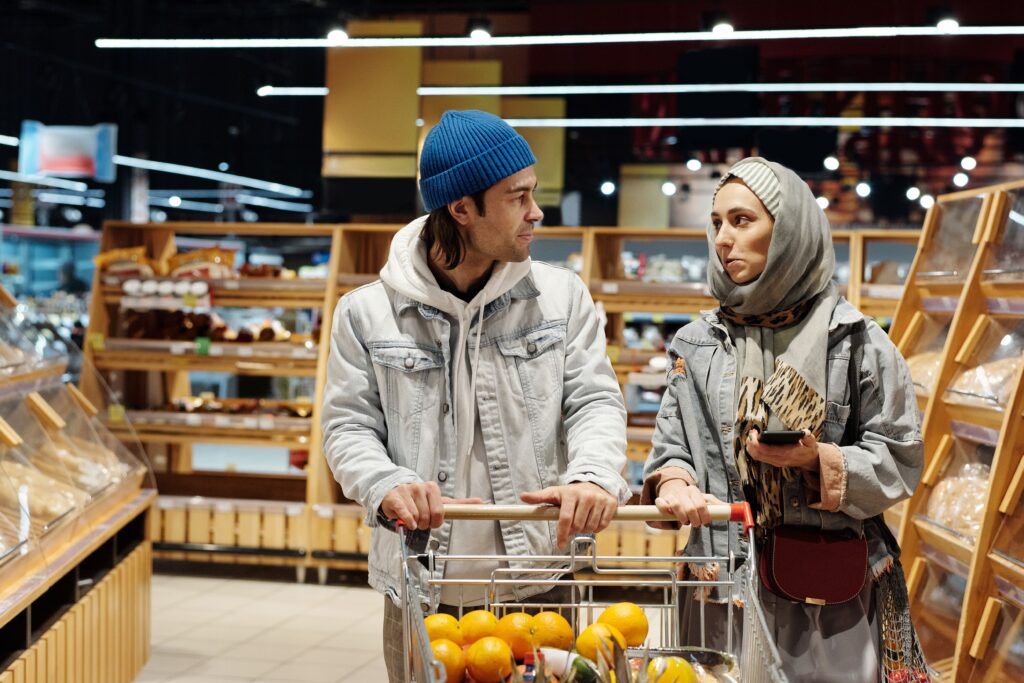
The broader backdrop is that grocery inflation has slowed, not disappeared. USDA’s Economic Research Service said in its May 2026 Food Price Outlook that food-at-home prices are rising more slowly than restaurant prices, but consumers are still dealing with a higher base after the sharp increases of recent years. NielsenIQ likewise said food remains one of the household categories with higher annual spending.
That helps explain why shoppers are mixing and matching several low-effort strategies instead of relying on coupons alone. Store Brands reported in February 2026 that 69% of consumers were buying more private label goods to manage expenses. AlixPartners also found in its 2026 grocery shopper report that meal planning remained one of the strongest cost-control habits among consumers.
In practice, the eight tactics most often reflected in this reporting are: buying store brands, comparing unit prices, planning meals, shopping the pantry first, using frozen produce, reducing extra store trips, choosing one lower-price primary store and buying only the bulk items that truly lower the per-unit cost.
What it means for shoppers now
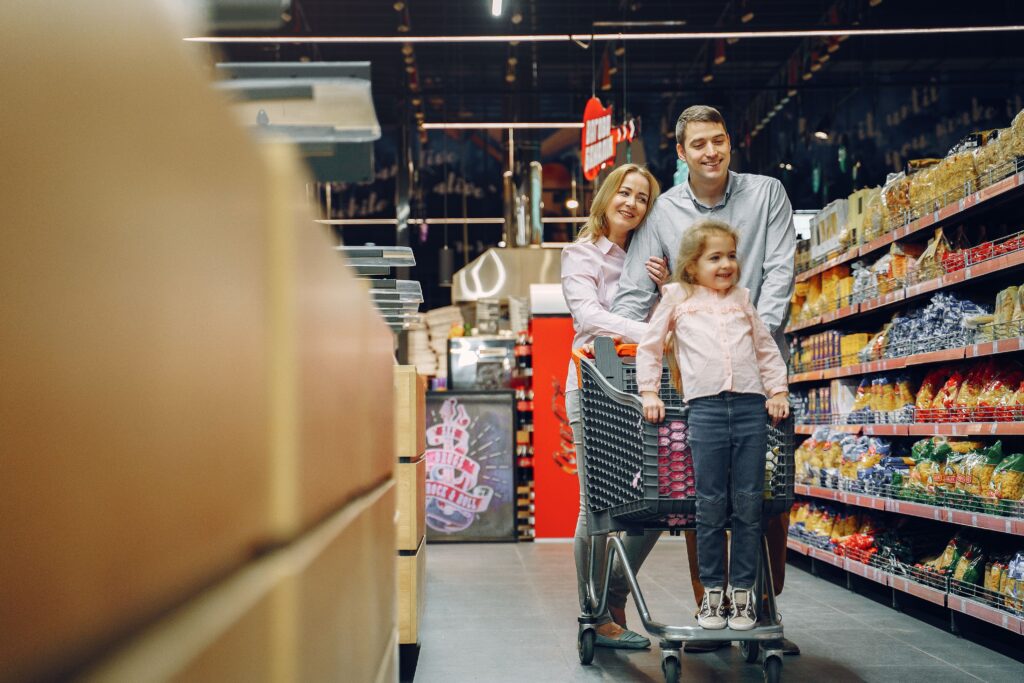
For customers, the takeaway is less about one dramatic trick than a stack of smaller decisions. A household may not literally cut every grocery bill in half, and broad national data does not verify a universal 50% savings rate. But multiple consumer and industry reports do show that shoppers are lowering totals by combining substitutions, planning and waste reduction.
The biggest gains tend to come from categories with wide price spreads, including packaged groceries, snacks, frozen foods and pantry staples. Kiplinger reported that store brands can save shoppers 25% to 40% in some grocery categories, while Consumer Reports has emphasized that seasonal buying, freezing and smarter meal planning can also reduce waste-related spending.
With USDA projecting more moderate grocery inflation in 2026 than in the recent past, shoppers may see less price shock than they did a few years ago. Even so, industry research shows the value hunt is not ending, and retailers are continuing to expand private label lines and price-focused merchandising to meet that demand.