Inflation at the grocery store has slowed from its 2022 peak, but product downsizing has not disappeared from store shelves. In June 2026, new documented examples showed that familiar brands in candy, paper goods, breakfast foods and pantry staples were still reducing ounces, sheets or pounds without clear price relief.
The latest documented shrinkflation examples
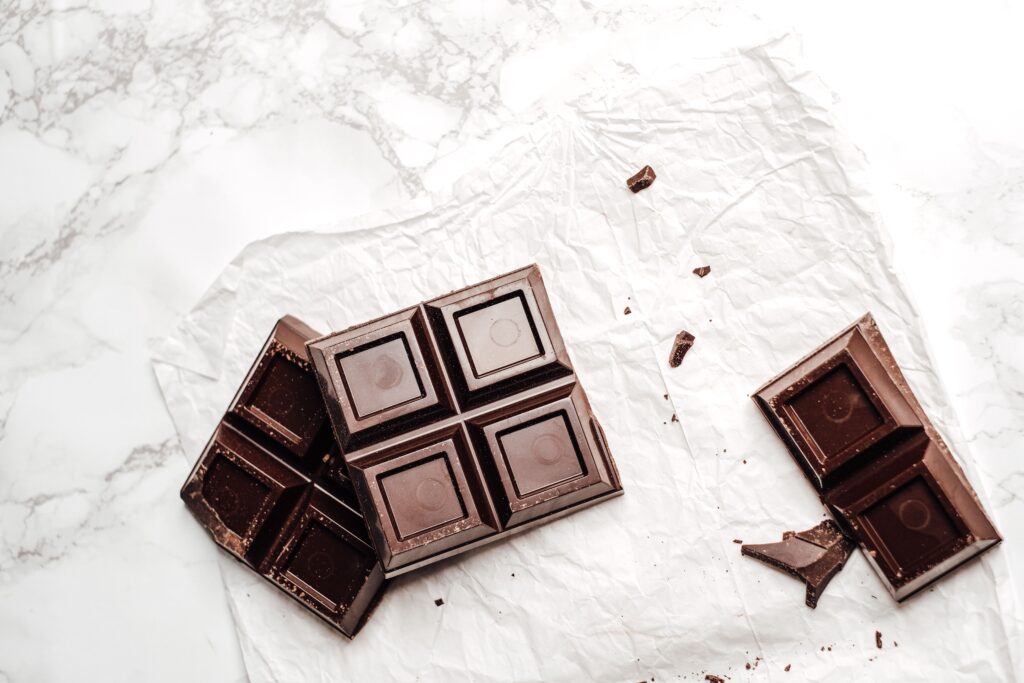
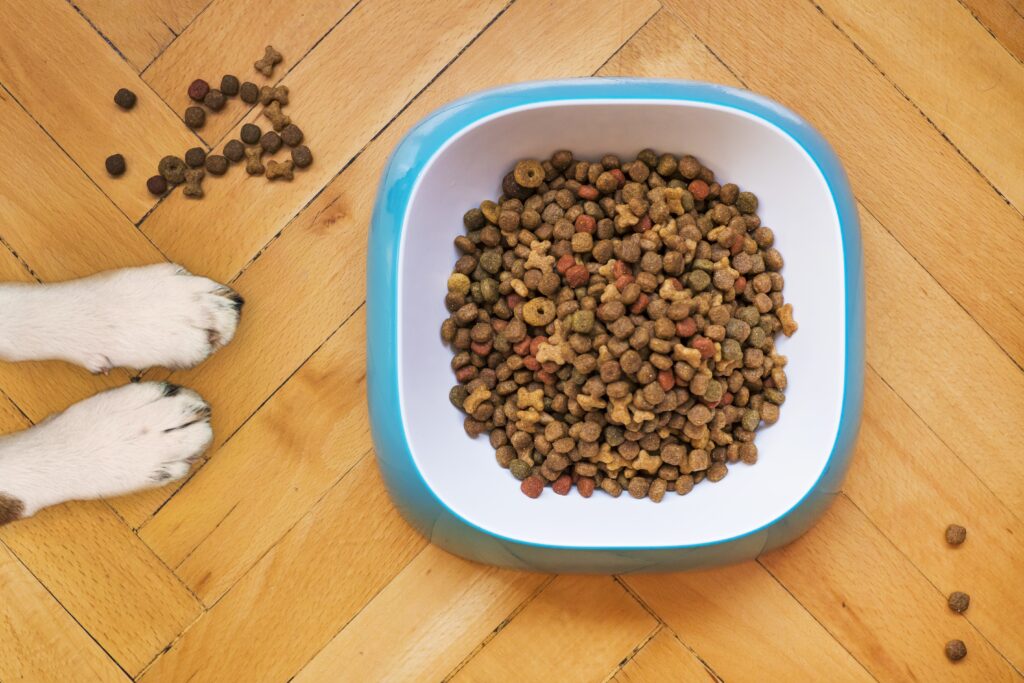
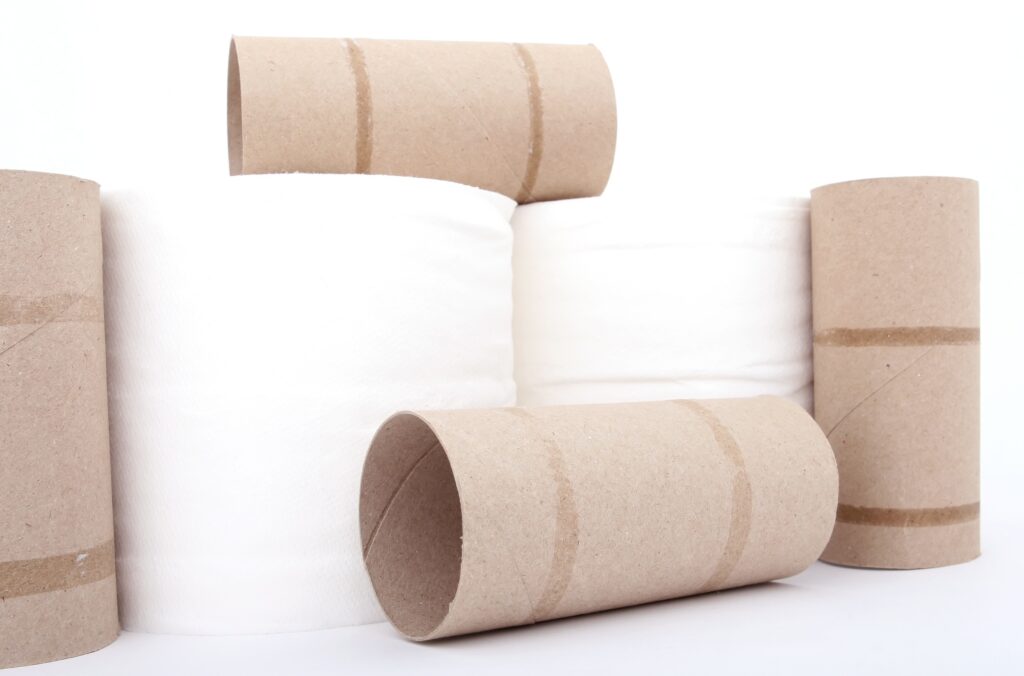
The most recent cluster of examples came from consumer watchdog site Mouse Print, which published two roundup reports on June 1 and June 8, 2026, documenting product size reductions that appeared on store shelves. In those reports, the site listed Hershey’s Dark Chocolate Assortment dropping from 29 ounces to 23.9 ounces at the same $19.99 shelf price, Quilted Northern Mega Rolls falling from 295 sheets to 255 sheets, and Iams XL dry dog food bags moving from 44 pounds to 38.5 pounds.
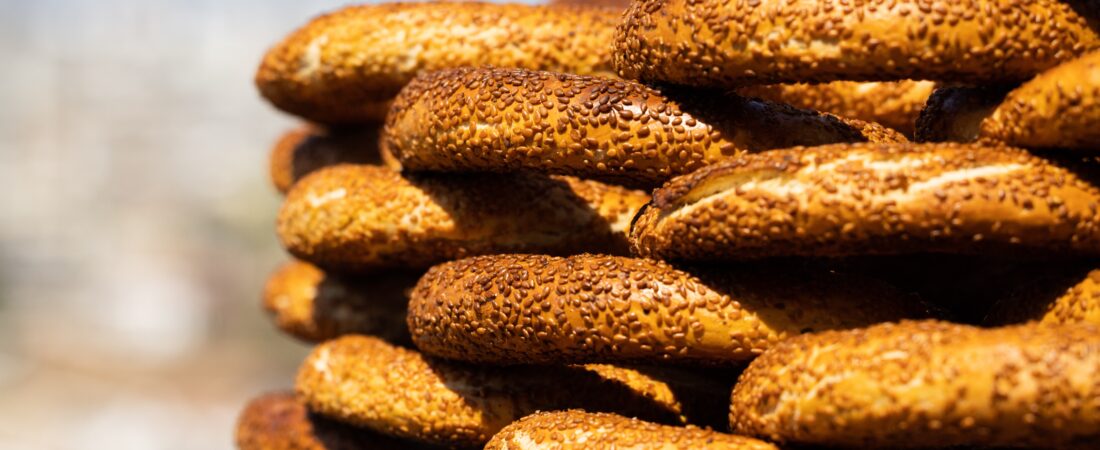
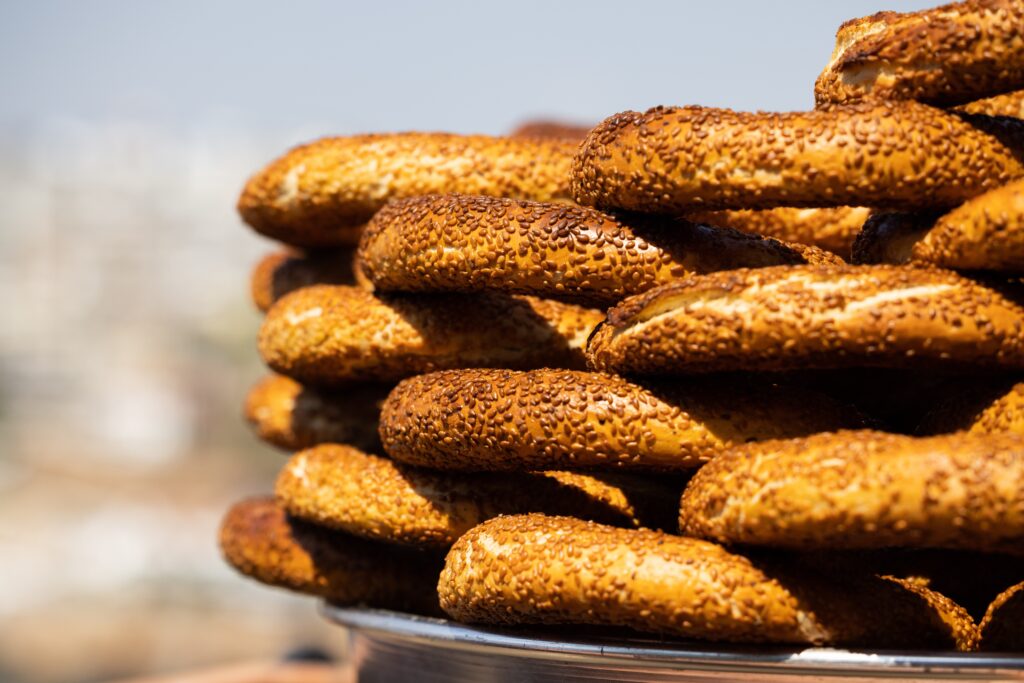
The same June 1 report also identified Thomas’ bagels shrinking from 20 ounces to 18 ounces, Oscar Mayer Beef Franks shifting from 16 ounces to 15 ounces, and Walmart’s Great Value ground coffee moving from 11.3 ounces to 9.6 ounces. A second roundup published June 8 added Dawn Platinum dish soap, which Mouse Print said moved from 32 ounces to 30 ounces, Febreze air freshener shrinking from 8.8 ounces to 8.1 ounces, and Smucker’s strawberry jam dropping to 30 ounces after losing 2 ounces.
Earlier in 2026, Mouse Print also reported Krusteaz Buttermilk Pancake Mix downsizing by more than 20%, Hungry Jack syrup falling from 27.6 ounces to 24 ounces, and Post Premier Protein cereal shrinking from 11 ounces to 9 ounces. Taken together, those reports produce an 11-product watch list built from recent, specific size changes documented in 2026.
What U.S. shoppers know, and what stores have not confirmed
These examples are national consumer packaged goods, not a single-state retail event, so the practical impact is broad rather than tied to one city or chain. What is confirmed is the package-size reduction documented in side-by-side product comparisons and, in several cases, reports that the price did not fall in step with the smaller quantity.
What is not fully known is how consistently those changes appear across every retailer, region and package format. Mouse Print itself noted that some Iams stores carried a 40-ounce version instead of the 38.5-pound bag, showing that transitions can vary by outlet and inventory timing.
That means shoppers may still see old and new sizes sold side by side for a period. The company manufacturers cited in these reports have not released a comprehensive national list showing every affected store, every package transition date, or whether all retailers maintained the same sticker price during the changeover.
Why shrinkflation is still happening
Federal analysts say shrinkflation remains a real but uneven part of the consumer economy. In a July 2025 report, the U.S. Government Accountability Office said product downsizing occurs when quantity decreases without a commensurate price drop, and found that from 2021 to 2024 downsized items outnumbered upsized ones by roughly three to one in Bureau of Labor Statistics tracking.
The GAO also found that the effect is concentrated in certain categories. From 2019 through 2024, size changes contributed 3.0 percentage points to inflation for household paper products, 2.6 points for snacks, 2.3 for candy and chewing gum, 1.8 for ice cream and related products, 1.6 for breakfast cereal, and 1.4 for coffee.
Researchers have also found that consumers often react less strongly to smaller packages than to direct price hikes. A 2025 Marketing Science study summarized by INFORMS said a 1% increase in price reduced sales by about 1.2%, while a 1% reduction in size cut sales by only about half as much, helping explain why manufacturers may favor downsizing over visibly raising shelf prices.
What it means for customers now
For shoppers, the immediate effect is not always a higher sticker price but a higher unit price. Federal rules require labels to state net quantity, and GAO said existing packaging and labeling laws require accurate quantity disclosures, but those laws do not expressly prohibit manufacturers from shrinking a product.
The most practical pattern to watch is in categories where downsizing has been especially pronounced: paper products, snacks, candy, cereal and coffee. Recent 2026 examples also show that pet food, condiments, cleaning products and air fresheners belong on that list, especially when packaging looks largely unchanged from the previous version.
The broader takeaway is that shrinkflation is not affecting every product equally, and GAO said fewer than 5% of items in each of seven categories it studied were downsized from 2021 to 2023. But those smaller items often represented a larger share of dollar sales, meaning the products most households buy most often can still be the ones worth checking most carefully on the shelf.