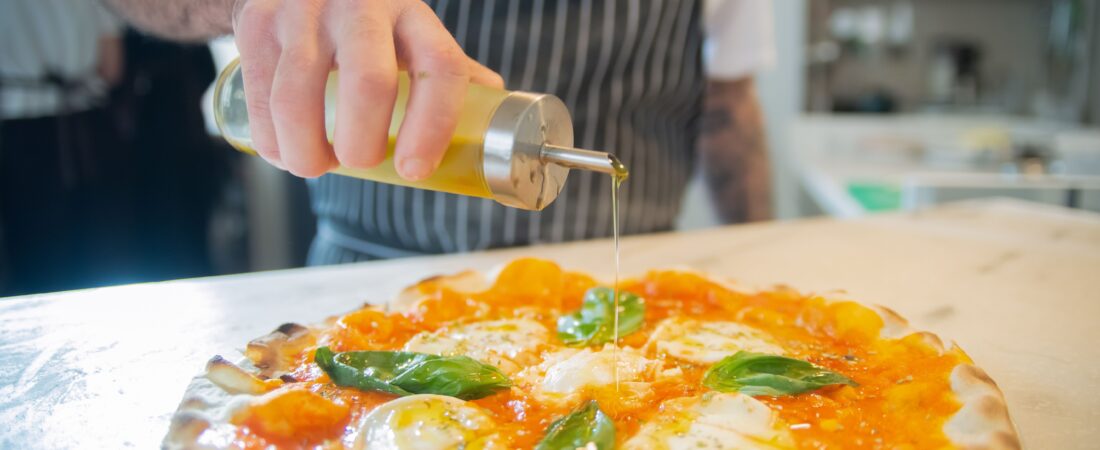
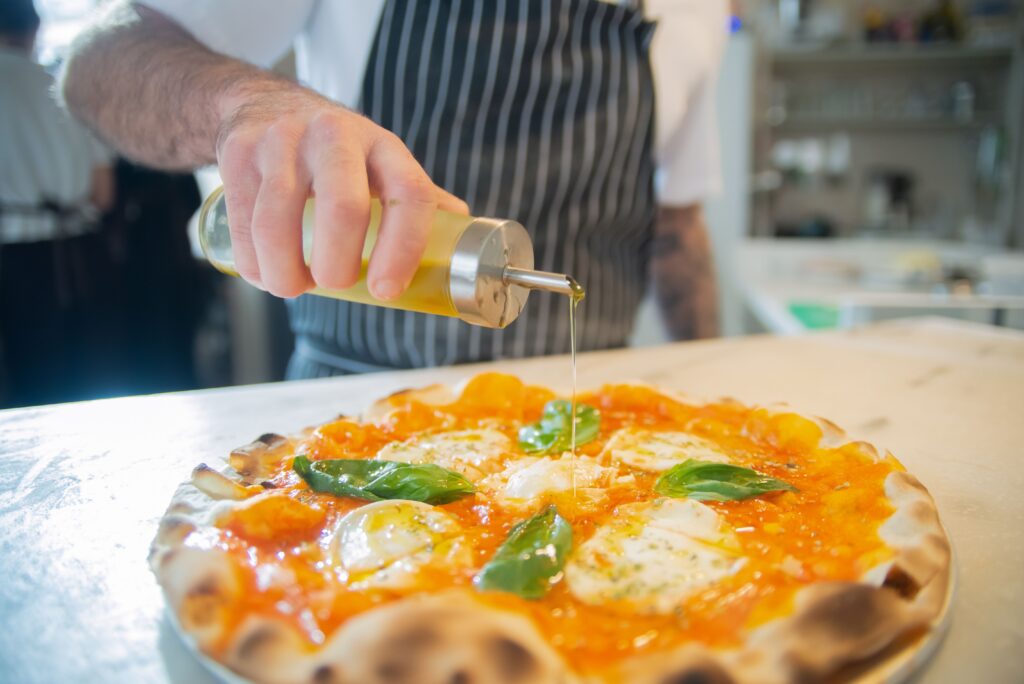
Hot honey has moved from niche condiment to mainstream restaurant menu fixture across the U.S., with major chains, independent pizzerias and food trend forecasters all tracking its rise. The story starts in Brooklyn, where a drizzle on one pizza in 2010 helped turn a regional idea into a national topping category.
A Brooklyn pizza experiment became a branded category

Mike’s Hot Honey traces its origin to 2010, when founder Mike Kurtz first drizzled chili-infused honey on a pizza at Paulie Gee’s in Brooklyn, according to the company’s official history. That first restaurant use matters because it marks the moment the product shifted from a homemade infusion into a repeatable menu item tied directly to pizza. The company said the response was immediate enough that customers began asking to buy bottles to take home.
That early restaurant demand later turned into a national packaged brand. Mike’s Hot Honey says the product was born from Kurtz’s effort to recreate a honey-and-chili table condiment he encountered in Brazil, then adapt it for pizza service in New York. The company now describes that 2010 drizzle as the spark for a new pizza-topping category rather than a one-off special.
The broader industry has largely validated that framing. Datassential research cited by the American Culinary Federation reported in early 2025 that hot honey on pizza had grown more than 430% in menu penetration through September 2024. That growth helps explain why the topping now appears far beyond New York slice shops, including in convenience stores, grocery freezer aisles and chain restaurant limited-time offers.
The local impact starts in New York, but the reach is now national
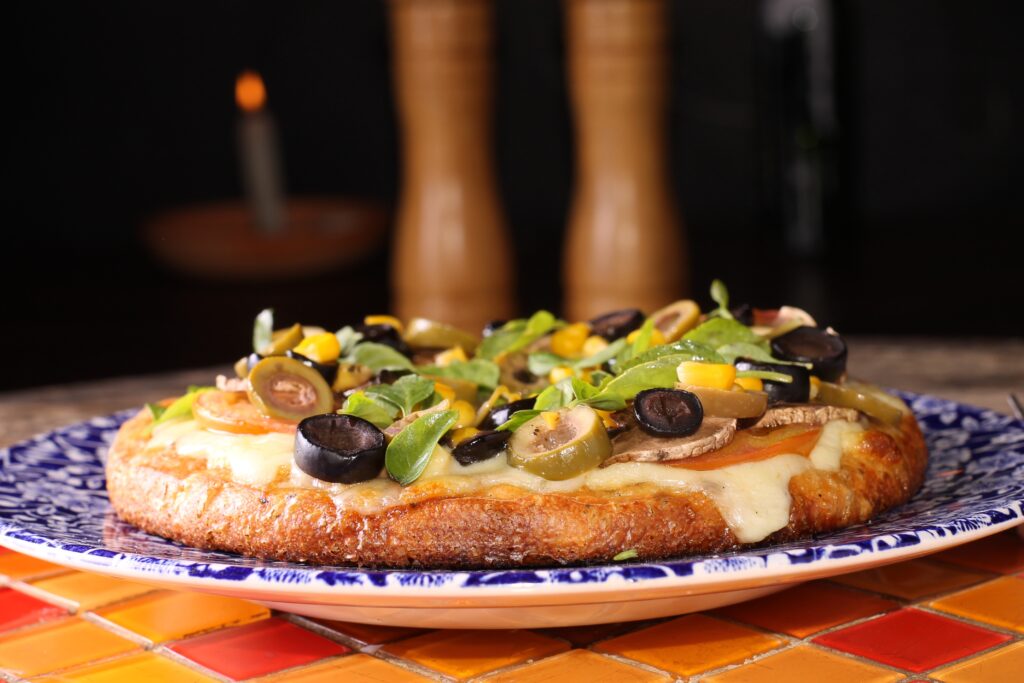
New York remains the clearest local anchor for the hot-honey-on-pizza story because the best-documented origin point is Paulie Gee’s in Brooklyn. Mike’s Hot Honey has confirmed that its pizza identity began there, and that connection still shapes how the product is marketed. What is not publicly clear is exactly how many New York pizzerias now offer hot honey as a permanent topping, because no comprehensive statewide count has been released.
What is confirmed is that the idea spread well beyond one borough. As of 2024, outside reporting cited by reference profiles said Mike’s Hot Honey was carried in more than 3,000 restaurants and 30,000 retail locations in the United States. Even treating that figure cautiously as a brand-distribution number rather than a pizza-only count, it shows that the topping has moved into the national food system.
That expansion is visible in adjacent markets, too. California Pizza Kitchen partnered with Mike’s Hot Honey on frozen pizzas, and 7-Eleven launched a limited-time hot honey menu in 2024 at Raise the Roost and Speedy Café locations, according to industry reporting. The company has not released a full public breakdown by state, so local saturation is easier to observe anecdotally than to quantify market by market.
Sweet heat is rising as operators look for traffic-driving flavors
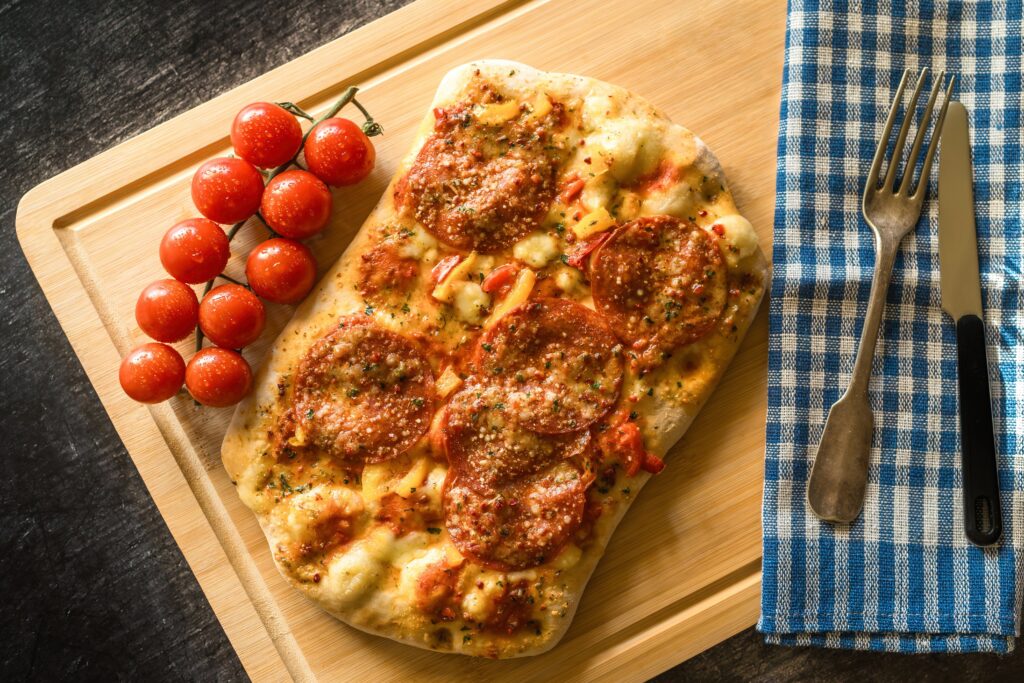
The reason hot honey keeps showing up on pizza menus is not just novelty. Restaurant industry groups and menu analysts have repeatedly identified sweet heat as a durable flavor direction, especially as operators try to attract customers without fully rebuilding their menus. The National Restaurant Association’s 2025 culinary forecast named hot honey among the ingredients expected to shape restaurant menus, while show coverage in 2025 noted it was already facing imitators such as hot maple, a sign of category maturity rather than collapse.
Consumer appeal appears broad enough to support that staying power. Technomic presentation coverage published by NACS in May 2025 said sweet heat appealed to 45% of consumers. Food Business News also identified spicy toppings and hot honey as leading pizza trends in a March 28, 2025 report, tying the flavor to continued experimentation in the category.
That matters because pizza chains were also facing softer sales. Nation’s Restaurant News reported last month, citing Technomic Top 500 Chain Restaurant Report data, that quick-service pizza sales slipped 0.3% year over year in 2025. In that environment, toppings that feel distinctive but are operationally simple can become especially attractive to operators.
For customers, the topping is no longer a one-shop novelty
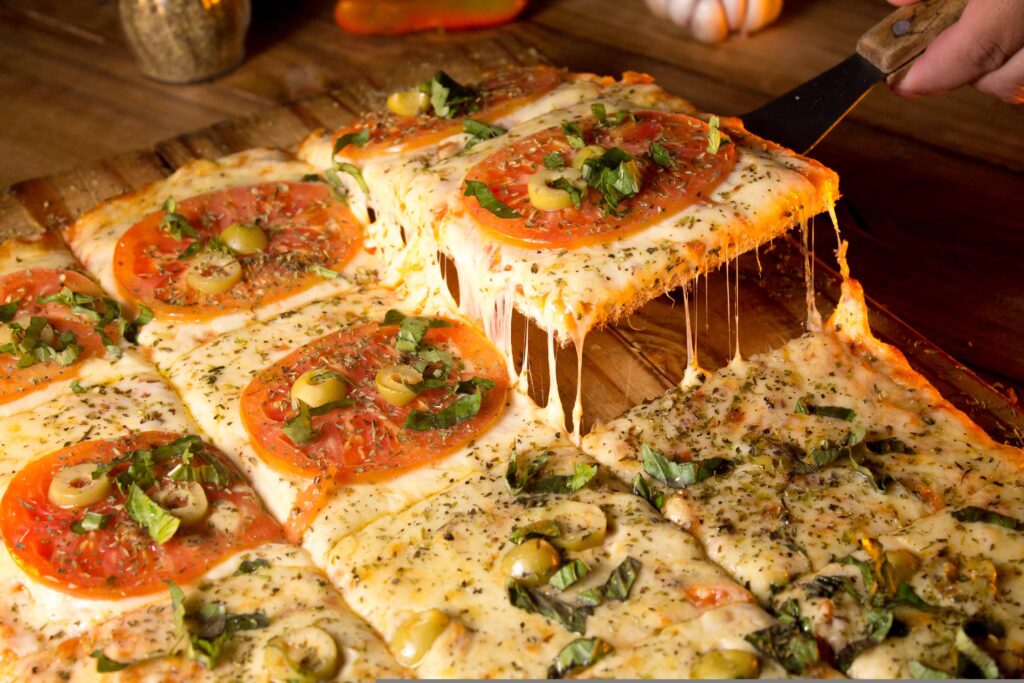
For diners, the practical takeaway is straightforward: hot honey on pizza is no longer limited to specialty slice counters or chef-driven restaurants. It is now established enough that customers can find it in independent pizzerias, chain promotions, convenience-food programs and frozen retail products. That broader availability helps explain why some customers now treat it less like an add-on and more like a standard finishing option.
What customers should not assume is that every hot honey pizza will taste the same. Restaurants use different base pies, heat levels and application styles, and some drizzle after baking while others build sweet heat into the topping mix. There is also no single national standard for how much honey, spice or acidity a pizza should carry.
The bigger industry signal is that hot honey still appears to have runway in 2026. Datassential analysis highlighted by NACS said the ingredient was on 11.3% of menus as of early 2026, suggesting room for further expansion even after years of growth. For now, the topping’s path from a 2010 Brooklyn pie to a mainstream American pizza option remains one of the clearer examples of how a local restaurant idea can scale nationally.