Gautam SM June 22, 20263 min read
Beef tallow has reentered the U.S. food conversation as restaurant chains, social media creators and packaged-fat brands promote animal fats alongside a broader backlash against seed oils and other modern cooking staples. In that context, a seven-day switch from olive oil to beef tallow offers a useful look at what changes in the kitchen, and what nutrition guidance still says.
A 7-day switch mirrors a broader cooking trend
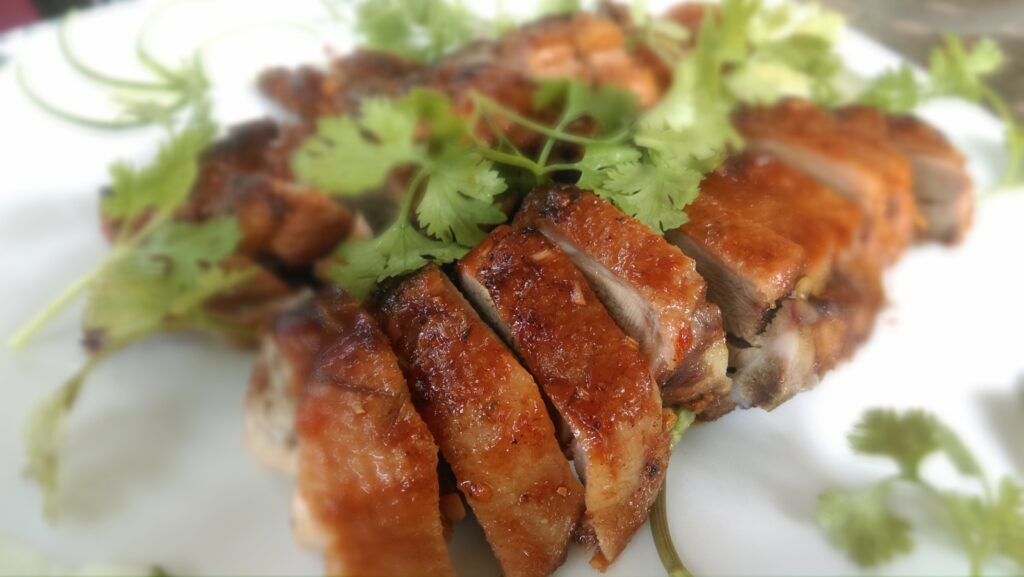
The specific action in this case was simple: replacing olive oil with beef tallow for all home cooking for seven days, from pan-frying eggs to roasting vegetables and searing meat. The time frame matters because it reflects a short-term kitchen trial, not a clinical test, and no verified medical outcome can be drawn from one week alone.
The broader scale behind that choice is real. Steak ’n Shake said in early 2025 that it was switching its fries to beef tallow across all 436 restaurants by the end of February, according to Restaurant Business. That announcement helped move beef tallow from a niche ingredient back into mainstream restaurant coverage.
Cleveland Clinic dietitian Michelle Dodd said beef tallow’s popularity has risen alongside the keto diet and a renewed interest in older cooking fats. That has turned a once-specialty fat into a visible option for home cooks evaluating flavor, smoke performance and ingredient labels.
What the shift means in U.S. kitchens
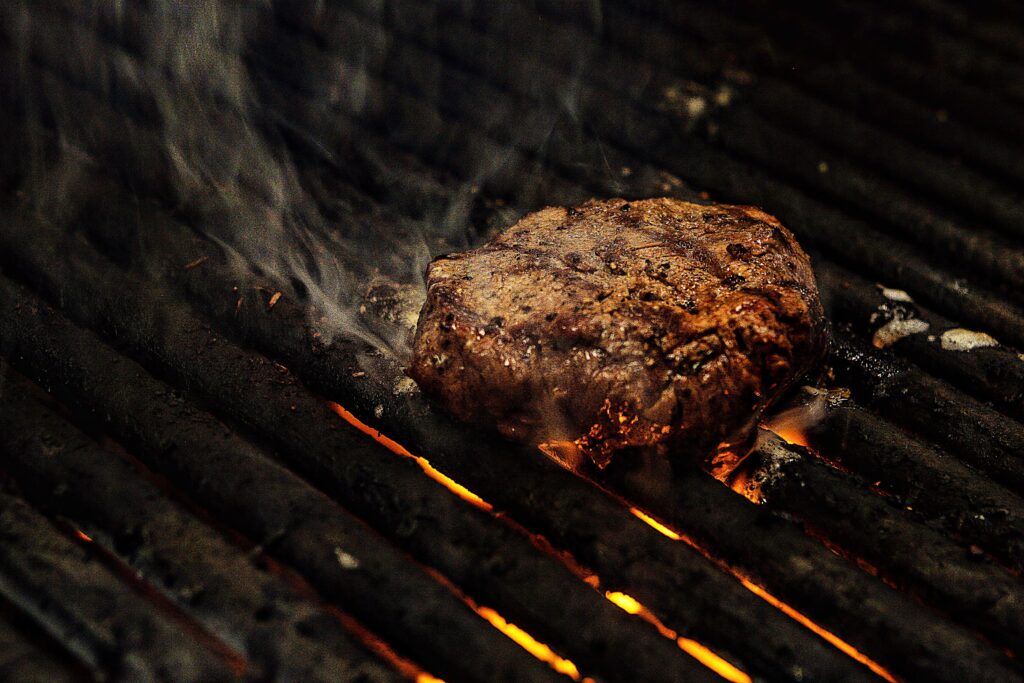
For U.S. households, the immediate impact of a seven-day switch is practical rather than medical. Beef tallow is solid at room temperature, behaves differently in skillets and sheet pans, and can add a more pronounced savory note than olive oil, especially when used for potatoes, burgers and high-heat roasting.
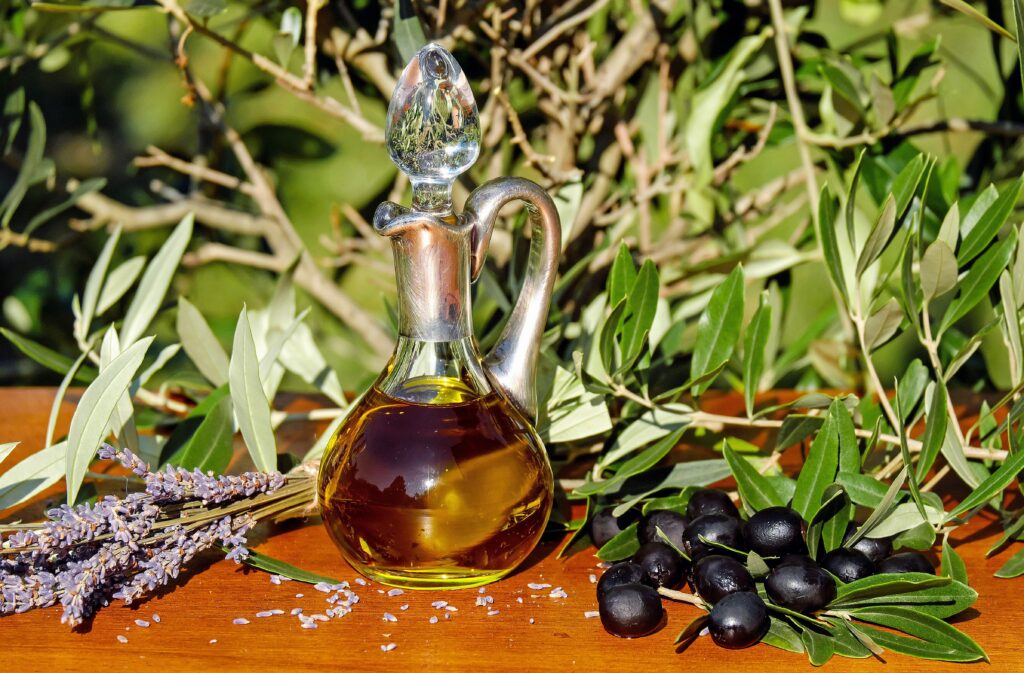
What is confirmed is that beef tallow has a different fat profile from olive oil. USDA-backed nutrition data cited by BodySpec and other nutrition references show about 6.4 grams of saturated fat in one tablespoon of beef tallow, compared with about 1.9 grams of saturated fat in a tablespoon of olive oil, which is richer in monounsaturated fat.
What remains unknown in any single seven-day trial is whether a home cook used the same portion sizes, total calories or overall meal pattern as before. Without that information, the switch can document kitchen performance and taste, but not establish whether the change improved or worsened long-term health markers.
Why beef tallow is gaining traction
The return of beef tallow is being driven by several forces at once. Restaurant trade coverage and recent consumer trend reporting point to demand for traditional ingredients, dissatisfaction with highly processed foods, and political attention around seed oils as key reasons more diners are hearing about tallow again.
QSR Magazine reported in 2025 that beef tallow’s comeback was tied to both consumer nostalgia and advocacy from high-profile voices favoring animal fats over seed oils. Axios also reported in April 2026 that Steak ’n Shake leaned further into that positioning after publicly marketing fries cooked in “100% beef tallow.”
At the same time, major heart-health guidance has not shifted in tallow’s favor. The American Heart Association says diets high in saturated fat can raise LDL cholesterol and recommends replacing saturated fats with monounsaturated and polyunsaturated fats, including liquid plant oils such as olive oil.
What consumers should take from a one-week trial
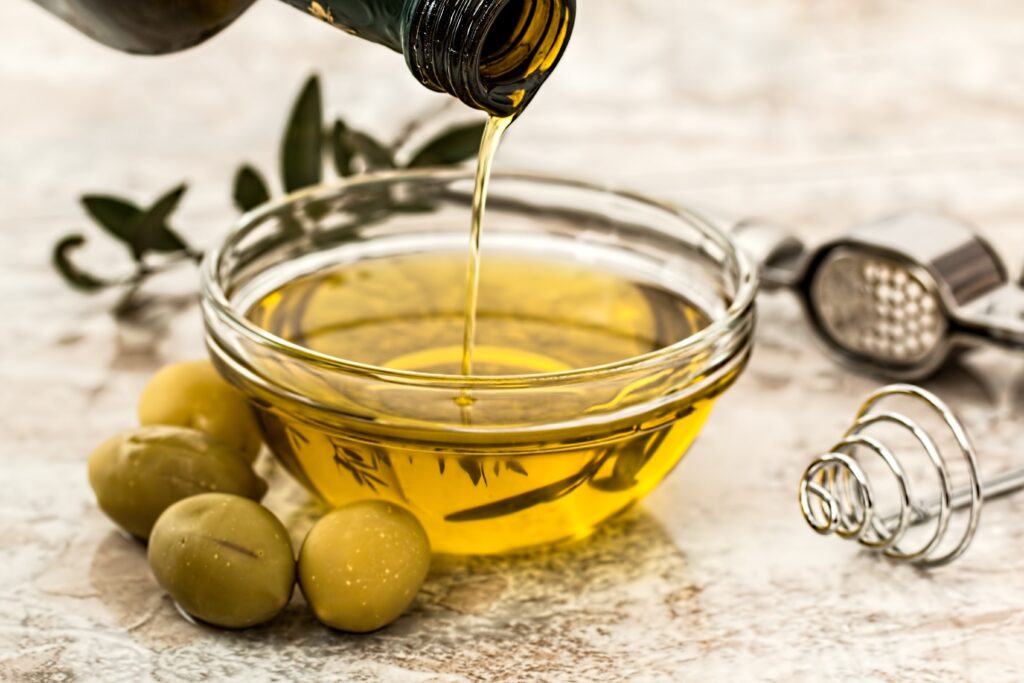
For readers, the clearest takeaway is that a one-week change in cooking fat may alter texture, browning and flavor, but it does not outweigh established dietary guidance. Olive oil remains a recommended cooking fat in American Heart Association guidance because it is mostly unsaturated, while beef tallow remains an animal fat with substantially higher saturated fat content.
That does not mean beef tallow cannot be used at all. Dietitians interviewed by Cleveland Clinic and Banner Health said it can fit into a broader diet, but should not be treated as a health food or a wholesale replacement for oils such as olive or avocado oil.
So the practical expectation is straightforward: a seven-day swap may produce richer-tasting potatoes or a different sear on meat, but the nutrition case for replacing olive oil is not supported by current mainstream heart-health guidance. As of June 22, 2026, the beef tallow story is best understood as a food trend with clear culinary appeal and ongoing health debate.