As more grocery shopping shifts to phones, retailers are putting more discounts behind app logins, loyalty accounts and personalized offers. That change has turned the simple idea of a coupon into a more complex pricing system at chains including Kroger, Walmart and Target.
Grocery apps are turning discounts into data-driven pricing tools
Major grocers and big-box retailers have steadily expanded digital coupons, app-exclusive deals and loyalty pricing over the past year, with Kroger, Albertsons, Walmart and Target all highlighting app engagement in company updates and promotional materials. On Nov. 14, 2024, the Federal Trade Commission released a staff report on surveillance pricing that said retailers can use personal data, location, browsing history and purchase behavior to tailor prices, discounts and promotions.
The report did not accuse any one grocery chain of unlawful conduct, but it documented how large retailers increasingly rely on data to shape what each customer sees. That matters in grocery apps because a coupon is no longer just a public discount available to everyone at the shelf.
In practice, one shopper may receive a digital offer for cereal, frozen meals or soda while another sees a different mix of deals. Consumer researchers and antitrust advocates have said that kind of personalization can make prices harder to compare across stores and harder to track over time.
The impact is national, but the effect shows up aisle by aisle in local stores
For shoppers in any state, the immediate impact is not a confirmed price increase on every item. What is confirmed is that many chains now require customers to clip digital coupons in an app or enter a phone number at checkout to receive advertised prices, while standard shelf prices can remain higher.
Retailers do not usually publish comprehensive lists showing which offers are app-only by city, county or store. Companies also have not released full public data showing whether shoppers who use digital coupons spend more overall than shoppers who do not.
Still, consumer behavior research has long shown that promotions can increase basket size. A 2024 report from grocery research firm FMI said digital engagement is increasingly tied to loyalty strategy, while retailers continue using apps to drive repeat visits, targeted promotions and larger orders, especially for pickup and delivery.
Why shoppers can end up spending more even when some items are cheaper
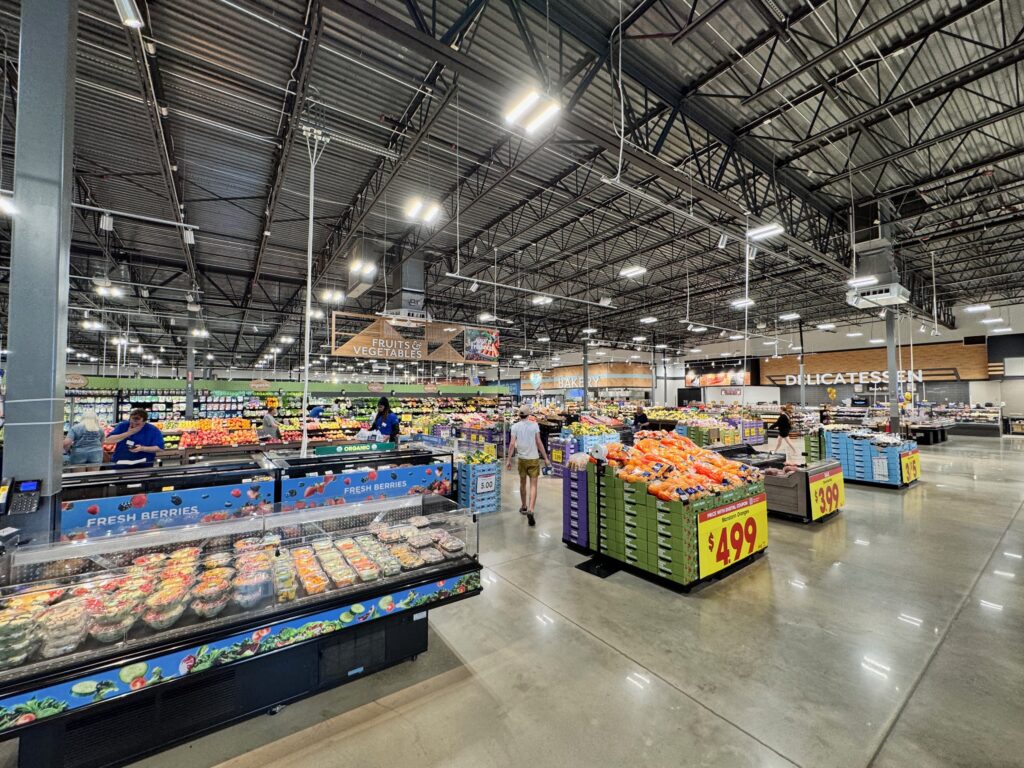
Part of the reason is straightforward math: a discount on one or two products can be offset by higher spending elsewhere in the cart. Retail apps are designed not only to distribute coupons, but also to recommend related items, highlight limited-time offers and make reordering fast, according to company investor presentations and app feature descriptions.
Another factor is what pricing researchers call friction. If a shopper has to clip a coupon, monitor expiration dates, buy in specific quantities or meet minimum purchase thresholds, the cheapest advertised path can require extra steps that change buying behavior.
Some promotions also steer shoppers toward national brands, larger pack sizes or delivery orders with fees. Industry analysts have said retailers value these tools because they can protect margins, deepen loyalty enrollment and generate more first-party customer data at a time when food inflation has made price competition more intense.
What it means for customers now
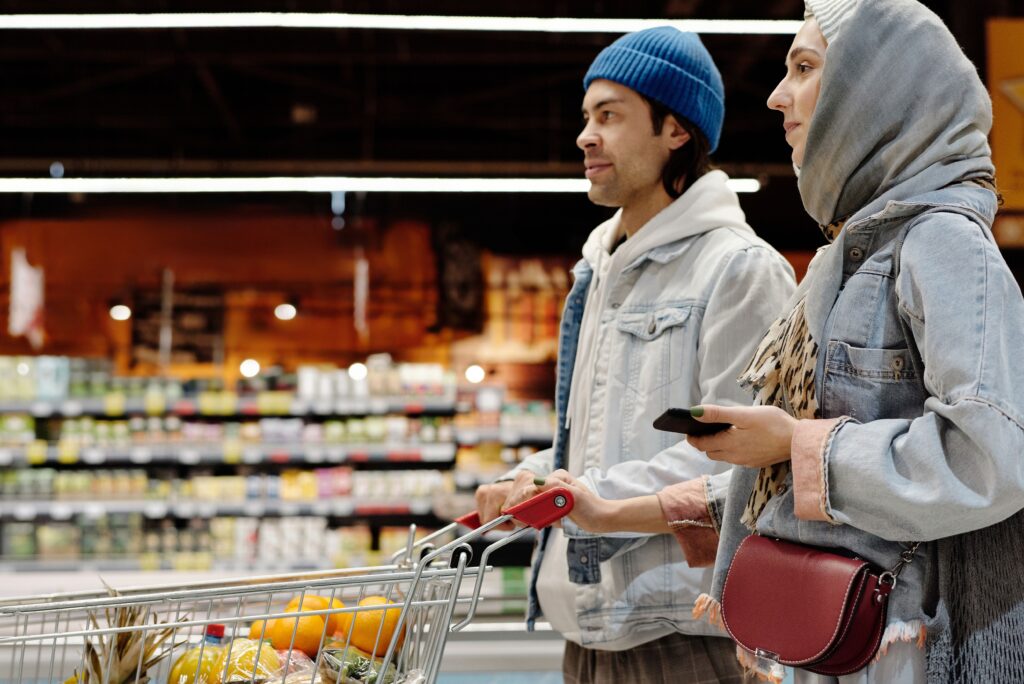
For shoppers, the practical takeaway is that a digital coupon can still be a real discount, but it does not always mean the final grocery bill will be lower. The total depends on whether the promotion changes what goes into the cart, whether the app surfaces impulse purchases and whether the order adds service fees, substitutions or minimum-spend requirements.
That is especially relevant for households comparing in-store shopping with pickup and delivery. A lower coupon price on yogurt, coffee or snacks may come alongside higher marked-up item prices, delivery fees or suggestions that increase total spending, depending on the retailer and order type.
Retailers have said digital tools help customers find savings and personalize their shopping experience. The broader industry direction is clear: grocery pricing is becoming more individualized, and the value of a coupon increasingly depends on the full checkout total, not just the discount shown on the screen.