Gautam SMJune 30, 20264 min read
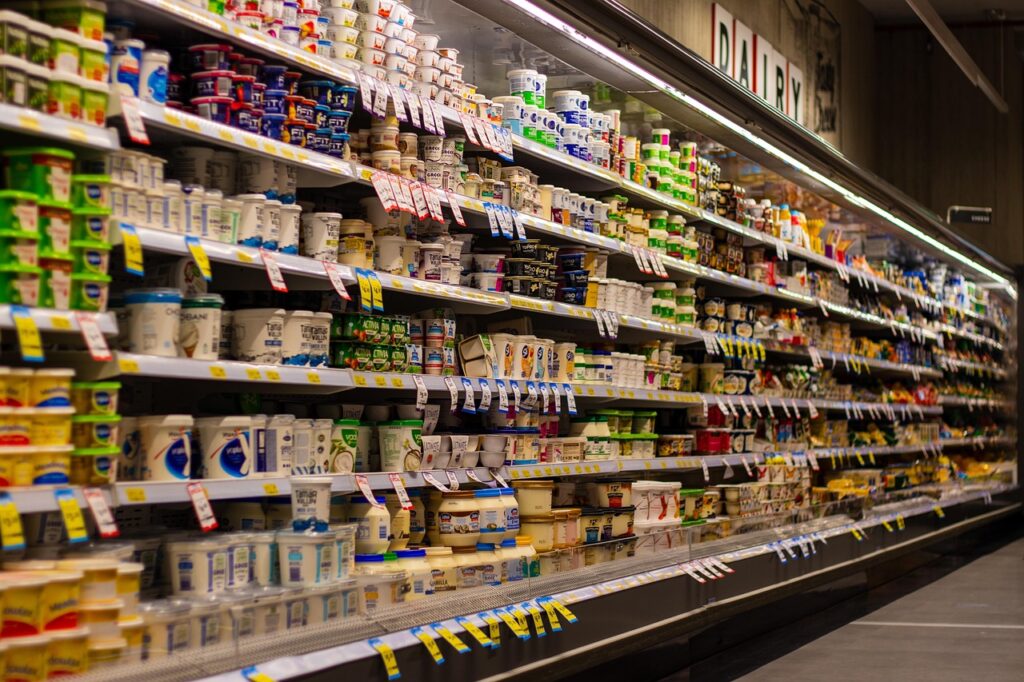
Fresh-food prices remain a pressure point for U.S. households, and grocery retailers are leaning harder on same-day markdowns to reduce waste in high-turnover departments. For shoppers focused on the bakery and deli aisle, recent reporting points to two consistent timing windows: early morning for day-old baked goods and late afternoon to evening for prepared deli items.
Early morning is the first key window for bakery markdowns
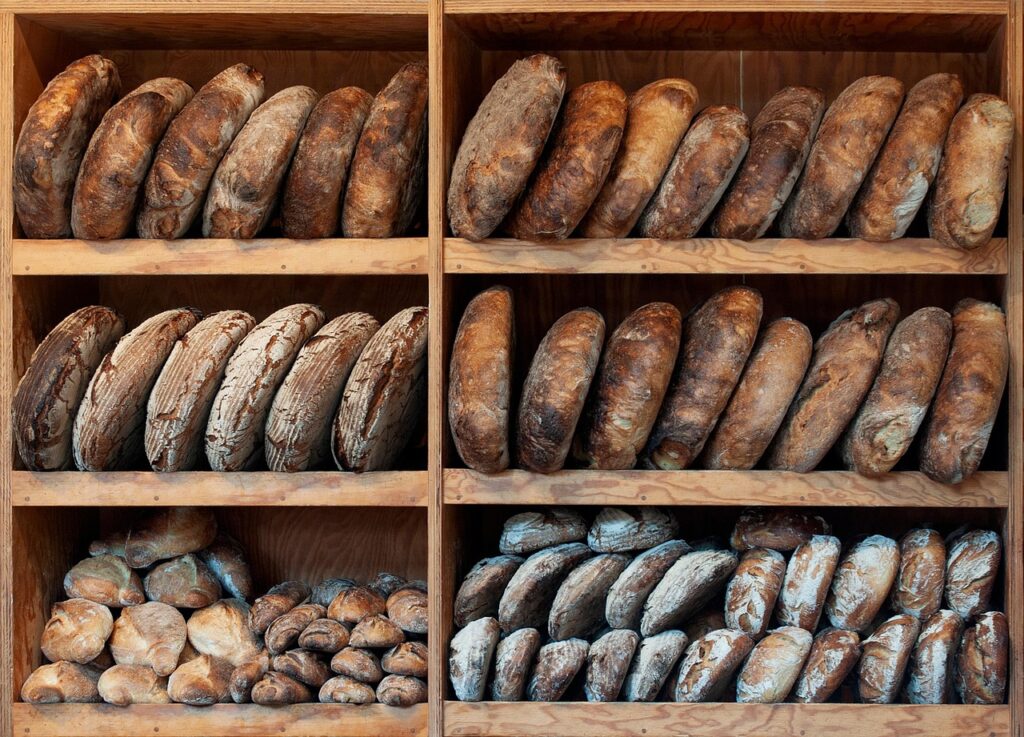
Consumer deal trackers and grocery-focused publications have reported that bakery markdowns often appear early in the day, when staff review unsold bread, muffins, rolls, and pastries from the prior day. Bargain Boxed reported that many stores assess older bakery inventory in the 6 a.m. to 10 a.m. range, while Inkl’s recent roundup on supermarket discount timing said many in-store bakeries clear previous-day baked goods first thing in the morning.
That timing lines up with how bakery departments operate. Fresh bread and pastries are usually baked daily, and stores need shelf space for the new batch. Rather than leave older items at full price, stores frequently shift them to a day-old rack or apply a markdown sticker soon after opening.
The practical takeaway is straightforward: shoppers looking for sandwich bread, bagels, dinner rolls, or breakfast pastries at a discount are most likely to see the best selection early. The tradeoff is that the deepest discounts may not appear until later, and some stores sell through discounted bakery goods quickly.
Evening is the stronger bet for deli and prepared foods
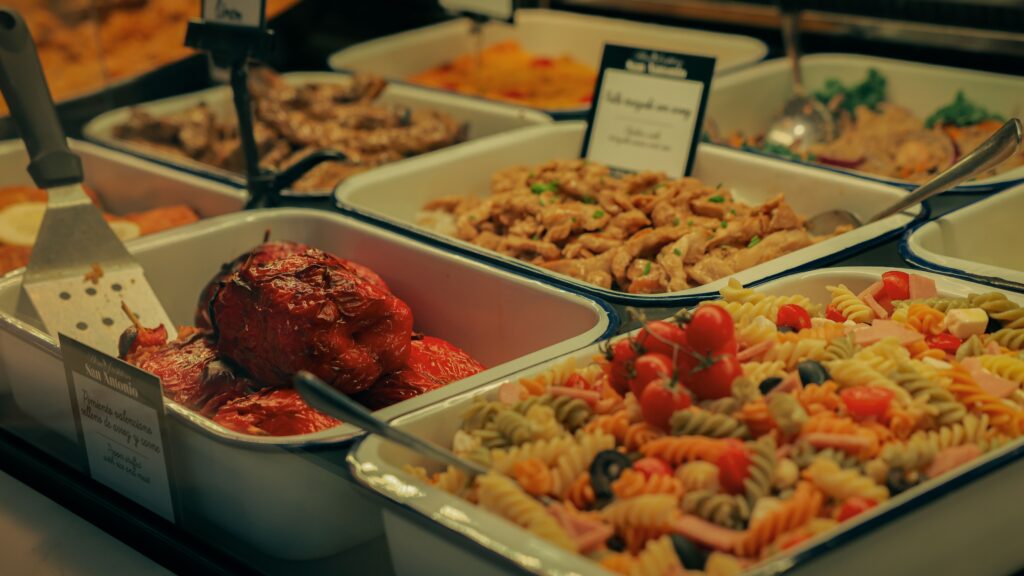
The deli aisle follows a different clock because many of its products are tied to same-day freshness and food-safety handling. Inkl reported that as closing time approaches, prepared foods including hot bar items, pre-made sandwiches, and deli selections may be marked down to avoid overnight waste. Grocery Coupon Guide similarly reported that fresh bakery and prepared-food markdowns often begin in the final hours before close.
That makes late afternoon through evening the more reliable shopping window for deli deals, especially for refrigerated prepared meals, sides, cut fruit trays, sandwiches, and grab-and-go items produced in store. Tasting Table, in reporting on discount timing at Wegmans, said many fresh-food counters and prepared-food aisles see markdowns later in the day, while some meat reductions happen in the morning.
The exact hour still varies by chain and by store. Some departments start reducing items two hours before closing, while others wait until after the dinner rush to see what inventory remains. Stores with large hot-food programs often have more end-of-day markdown activity because unsold prepared food has a shorter selling window.
Stores are using markdowns to manage waste, labor, and inventory
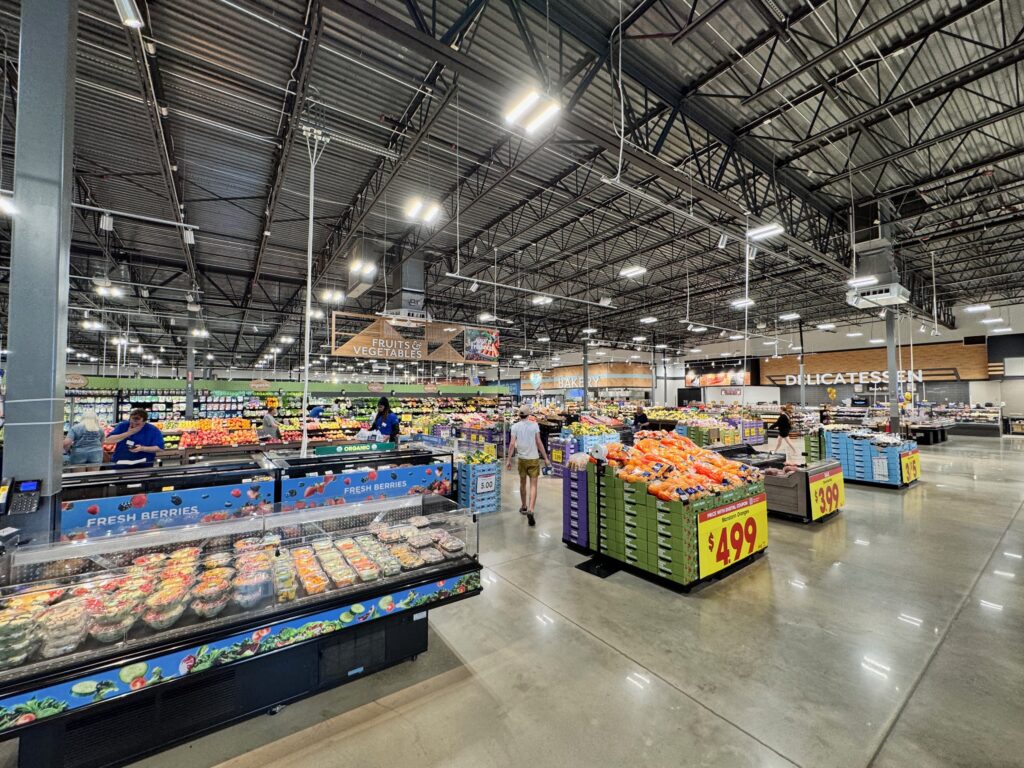
The reason these markdown windows exist is operational, not promotional. Bakery and deli departments carry highly perishable products, and unsold inventory can turn into shrink, the industry term for goods that cannot be sold. Endute, in a recent grocery savings guide, reported that fresh categories including bakery, fish, meat, and deli items are often reduced in the last one to two hours of trading to avoid disposal.
Labor schedules also shape timing. Morning crews typically check overnight inventory and reset bakery shelves, which helps explain why day-old bread often gets tagged early. Evening crews, by contrast, are making decisions on what will not hold for the next day in deli and prepared-food cases.
Selection and savings rarely peak at the same moment. Cheapism reported that early shoppers often see the first markdowns, while evening shoppers may find deeper discounts if anything is still left. That pattern helps explain why bakery and deli timing differs even within the same store.
What shoppers should expect on their next trip
For bakery bargains, the best chance at variety is usually shortly after opening, when yesterday’s loaves and pastries are more likely to be moved to a discount area. For deli bargains, the better strategy is later in the day, especially in the final few hours before closing, when stores are more likely to cut prices on prepared foods that will not carry over.
Shoppers should also expect store-level variation. Reporting across grocery publications shows there is no single national markdown hour used by every retailer, and chains do not usually publish a comprehensive public schedule for bakery and deli reductions. Department managers often have discretion based on sell-by dates, traffic, and how much product remains after peak meal periods.
The broad pattern, however, is consistent across recent coverage: morning favors bakery markdown hunters, while evening favors deli and prepared-food shoppers. In a grocery environment still defined by tight margins and waste control, that timing remains one of the clearest ways shoppers can find lower prices without changing stores.