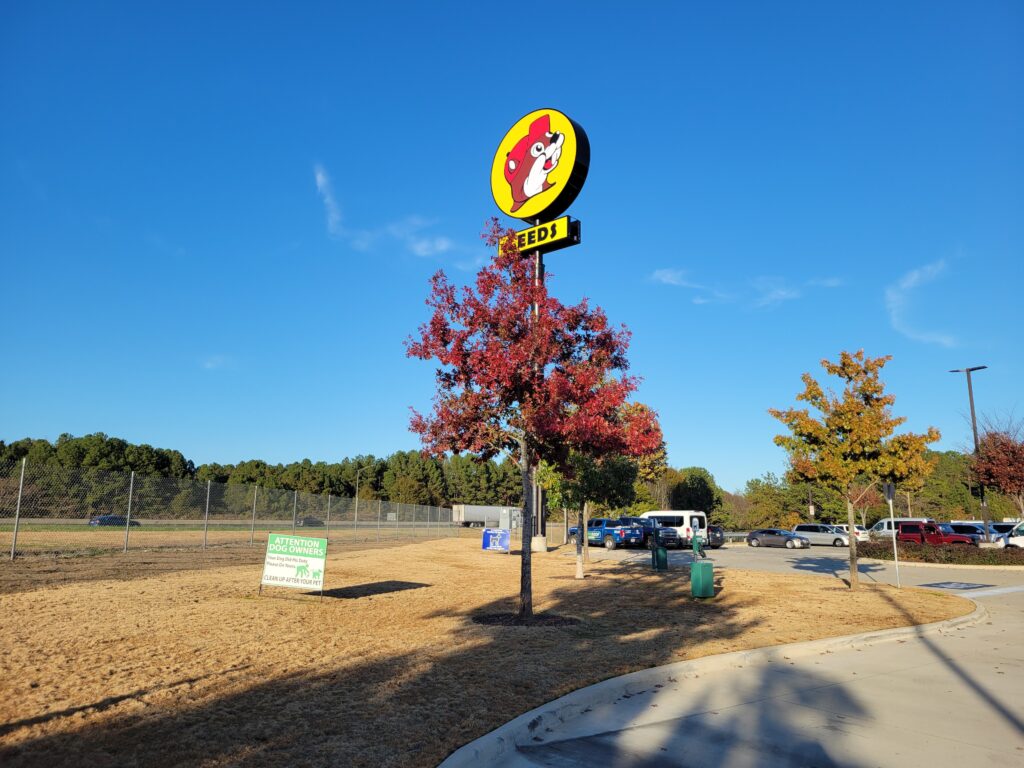
Buc-ee’s has continued its national expansion with new projects across the South, Midwest and West, but the Texas travel-center chain still has no announced location in Washington. For Washington drivers wondering when the beaver might arrive, the answer is less about demand than whether a site can satisfy the company’s size, traffic and permitting needs.
Buc-ee’s is moving west, but Washington is still off the map
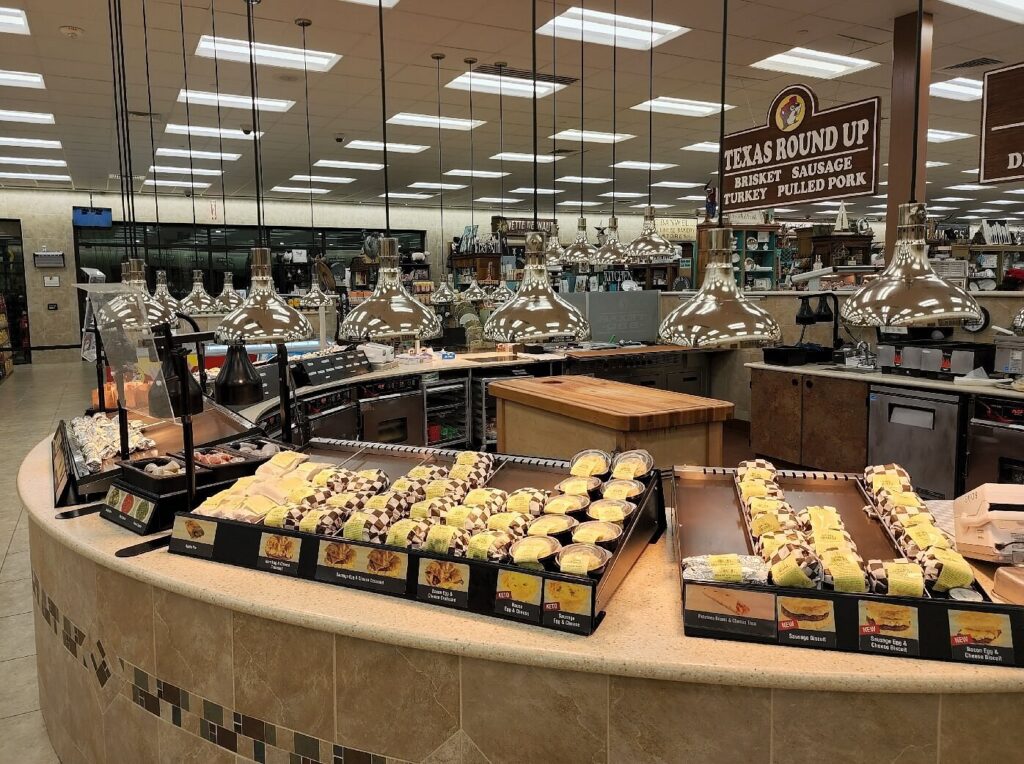
Buc-ee’s has confirmed new and upcoming openings well beyond Texas, including a Goodyear, Arizona, store listed by the company for June 2026 on its official openings page. That Arizona project reflects the scale the chain typically brings: a roughly 74,000-square-foot travel center with about 120 fueling positions, a format that has become standard in recent western proposals.
The company’s western footprint is still limited. Colorado’s first Buc-ee’s opened in Johnstown in March 2024, and Axios previously reported that site at 74,000 square feet with plans to hire about 400 employees. In Utah, Springville city records show the City Council approved a memorandum of understanding tied to a proposed Buc-ee’s near Interstate 15 Exit 261 in September 2025.
What Washington does not have is any equivalent announcement. Buc-ee’s has not confirmed a Washington site, filed a public proposal in the state, or identified a city where negotiations are underway. As of June 30, 2026, Washington remains outside the company’s published development pipeline.
For Washington, the likely issue is location, not interest
If Buc-ee’s were to enter Washington, the most plausible corridors would be Interstates 5 or 90 because the chain relies on highway travel rather than neighborhood convenience traffic. I-5 is Washington’s main north-south spine, while I-90 is a major cross-state corridor connecting the Seattle area to Central and Eastern Washington and beyond, according to WSDOT corridor and freight planning materials.
That does not mean any busy exit would work. Buc-ee’s asks prospective land sellers on its official real-estate form whether a parcel sits on a “major interstate hard corner,” underscoring how specifically the company screens sites. A Washington location would also need enough land for a massive store, extensive fueling lanes, parking, delivery circulation and road access improvements.
The biggest uncertainty is which Washington communities would accept that footprint. The company has not released any list of targeted Washington cities, and no local government in the state has publicly confirmed a Buc-ee’s negotiation. That leaves places with more available freeway land, such as communities south of Tacoma, along the Columbia corridor or in Central Washington, as possibilities only in theory, not in any confirmed plan.
Traffic and permitting are the real hurdles
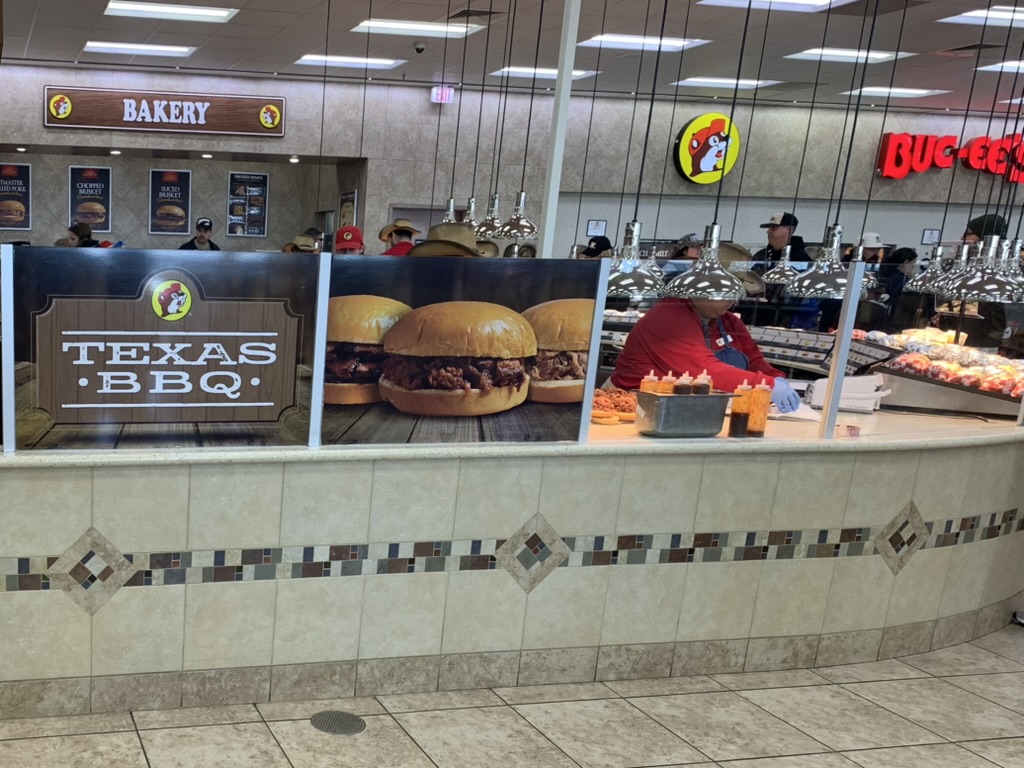
Recent western experience shows that Buc-ee’s expansion can stall when transportation agencies see interchange strain. In Idaho, officials with the Idaho Transportation Department determined in January 2026 that a proposed Meridian-area Buc-ee’s was “not feasible” as presented because of expected traffic impacts at an already congested I-84 interchange, according to reporting based on state and city records.
Washington has its own review structure that could make a similar project difficult. The Washington State Department of Ecology says the State Environmental Policy Act, or SEPA, is used by agencies to identify environmental impacts, modify projects and, in some cases, deny proposals. Ecology’s guidance also makes clear that local and state reviews can impose mitigation when traffic, land use or other impacts are significant.
That matters because a Buc-ee’s behaves more like a regional commercial development than a typical gas station. Any Washington proposal near a crowded I-5 interchange would likely face scrutiny not only over fuel access and parking, but also over traffic circulation, lighting, stormwater and surrounding land use compatibility. The Idaho setback offers a recent example of how fast site momentum can slow when road capacity questions remain unresolved.
What Washington residents should expect now
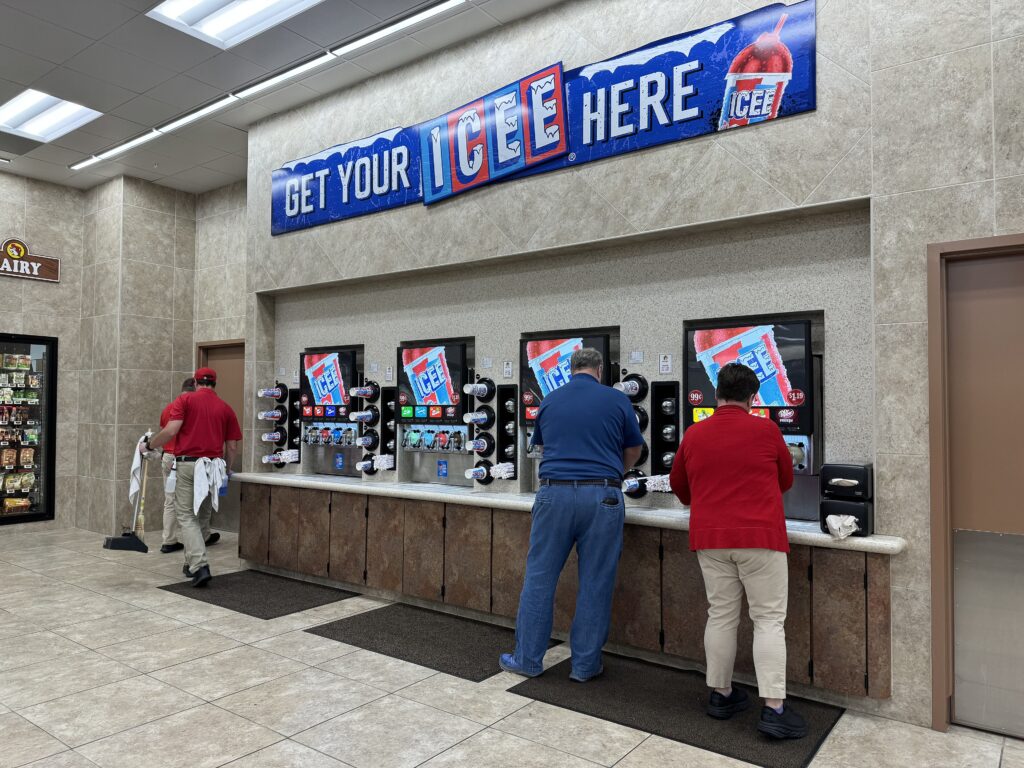
For now, Washington residents should expect continued speculation but no concrete timeline. Buc-ee’s official openings list includes projects in Arizona and several other states, but none in Washington or Oregon. That means the Pacific Northwest is still outside the company’s confirmed map, even as the chain continues moving west.
A Washington store would likely require three things before anything else becomes public: a large interstate parcel, local government support and transportation findings showing an interchange can handle heavy new traffic. Those conditions are visible in other Buc-ee’s projects, whether in approved developments like Springville or stalled efforts like Meridian.
Until a city agenda, land filing or company announcement surfaces, there is no verified Washington Buc-ee’s project to track. The practical takeaway for drivers is simple: the state has the highway network to attract Buc-ee’s, but it does not yet have a confirmed site, and recent western cases show that access and permitting can matter as much as customer demand.