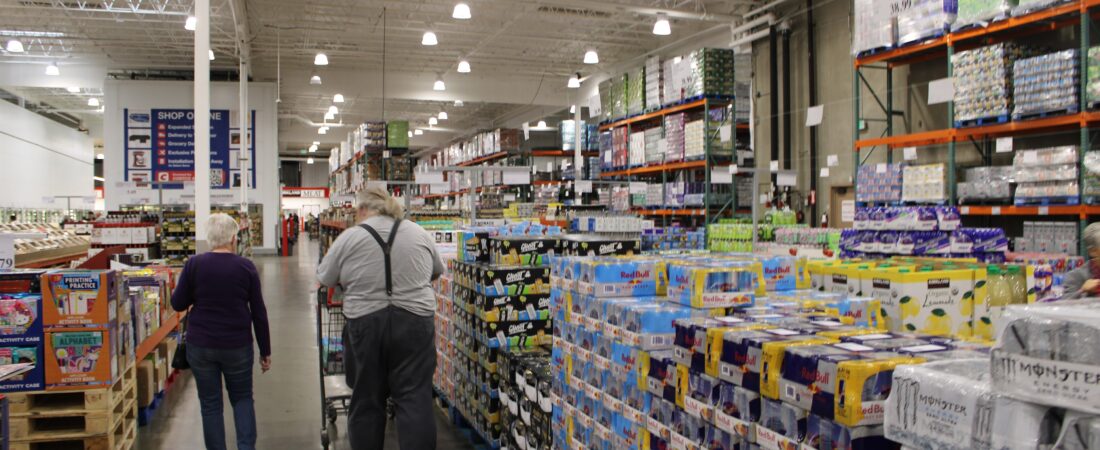
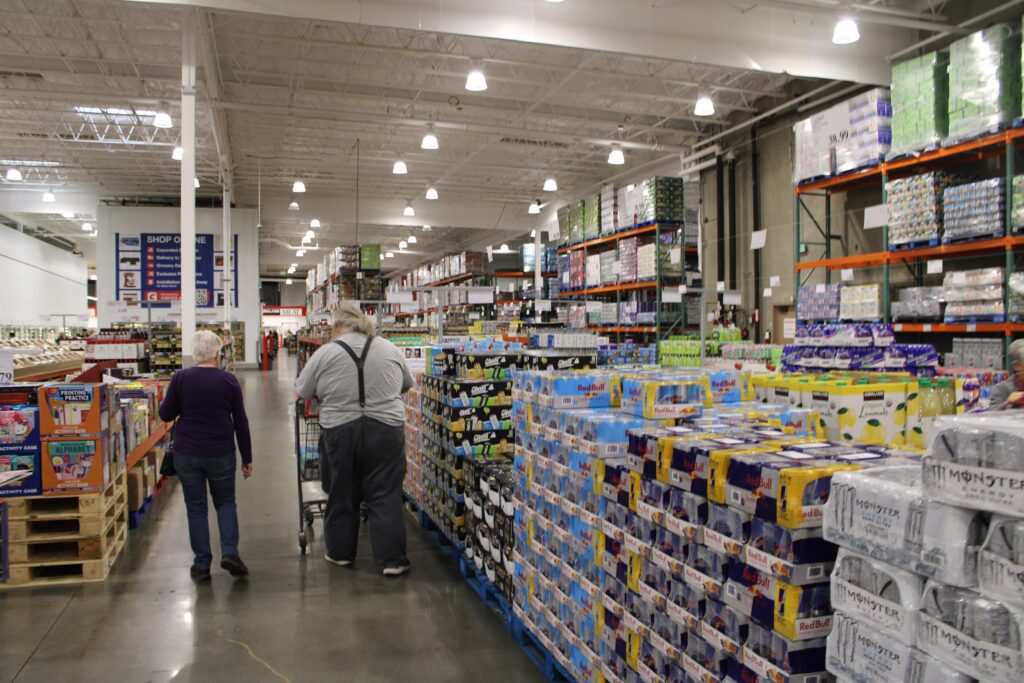
Costco’s low per-unit prices continue to draw millions of U.S. shoppers, even as inflation keeps household grocery budgets under pressure. But the warehouse model that helps drive those savings is also at the center of a recurring warning from members: some popular bulk items are not actually worth buying for every household.
Costco’s value promise comes with a familiar caveat
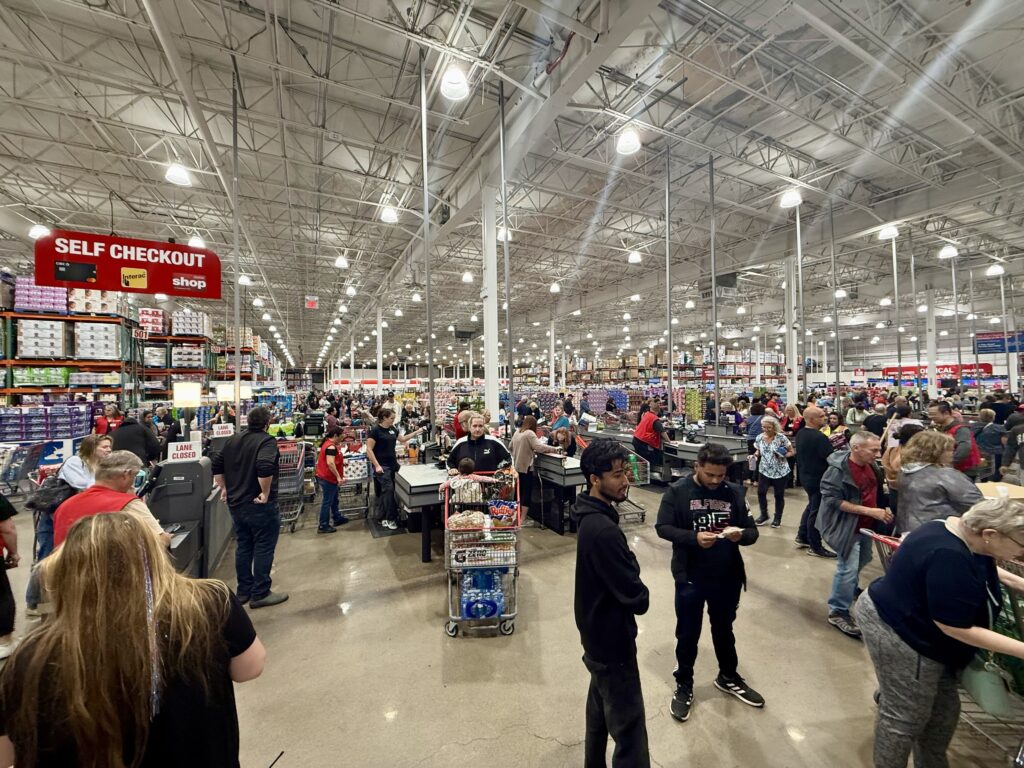
Costco continues to market bulk purchasing as a money-saving strategy, and Consumer Reports’ latest grocery price comparison, cited by Retail Brew in February 2026, found Costco was the least expensive option in its survey across several metro areas. Costco also promotes bulk buying directly on its own site as a way for customers and businesses to save money.
At the same time, shopper-focused roundups and consumer advice outlets have repeatedly identified a short list of Costco staples that can lose their value once spoilage, quality complaints, or overbuying are factored in. Based on those published reports, the 10 items that come up most often are fresh produce, bakery packs, milk, cooking oil, spices, batteries, giant medicine bottles, hummus and refrigerated dips, cereal, and books.
That list is not a Costco recall or a company-issued warning. It is a synthesis of repeated shopper complaints published by outlets including Eat This, Not That, Yahoo Shopping, Kiplinger, and Reddit discussions cited by those outlets.
What that means for shoppers in the U.S.
This is a national consumer issue rather than a state-specific store action. Costco has not released a U.S. map or store-by-store list tied to these concerns because there is no confirmed operational change, recall, or removal program attached to the products discussed in shopper roundups.
What is confirmed is that the complaints are tied to common warehouse-club shopping patterns. Several reports point to fresh foods and oversized pantry items as the biggest pain points, especially for one- or two-person households that may not finish products before quality drops. Yahoo Shopping’s March 2026 roundup, for example, said shoppers frequently regret bulk cucumbers, giant pain-reliever bottles, and books that only look like a bargain at first glance.
The issue can vary by household size, storage space, and how quickly products are used. A large family may move through milk, cereal, produce, or dip trays fast enough to make the unit price worthwhile, while a smaller household may not.
Why these purchases can backfire
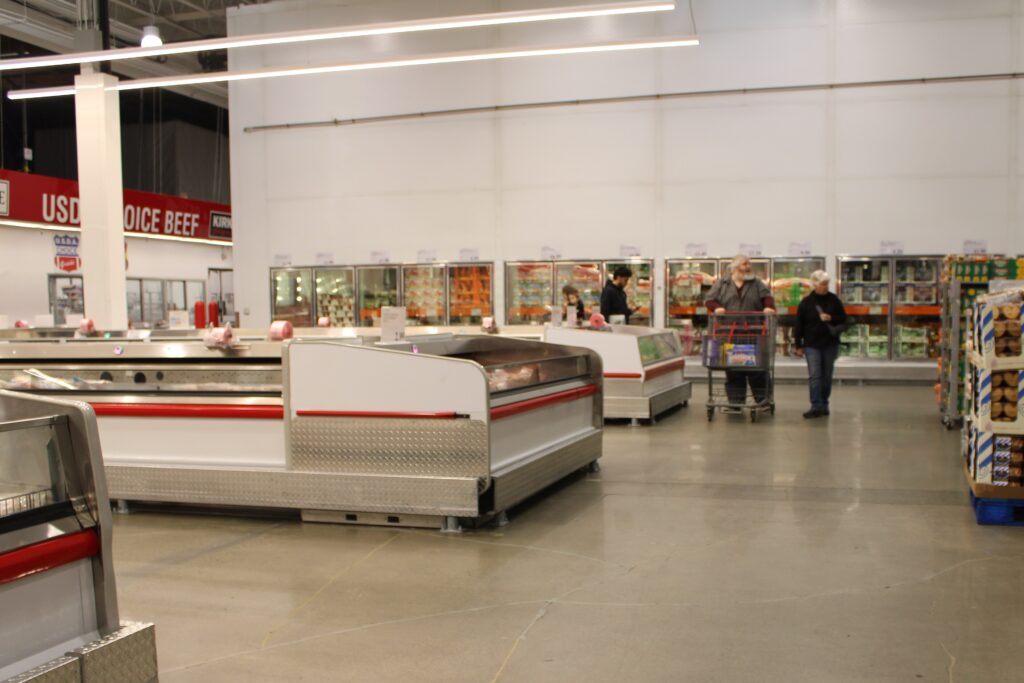
Consumer savings coverage is broadly consistent on the reason: buying in bulk only saves money when the product gets used. Kiplinger reported this month that bulk purchases are not always the cheapest option once supermarket sales, coupons, and expiration dates are considered, especially for canned goods and cereals.
Older but still consistent warehouse-club guidance from personal finance reporting has also warned that perishables can expire before they are consumed and that sale pricing at traditional grocers can beat warehouse pricing on selected items. The Motley Fool similarly noted that impulse buying and perishability can undermine savings at warehouse clubs.
Shoppers also raise quality concerns in some categories. Eat This, Not That has published member complaints about certain bakery items, batteries, and prepared foods, while broader shopper discussions often cite spoilage in produce and loss of flavor in bulk spices or oil over time.
The practical takeaway before the next Costco run
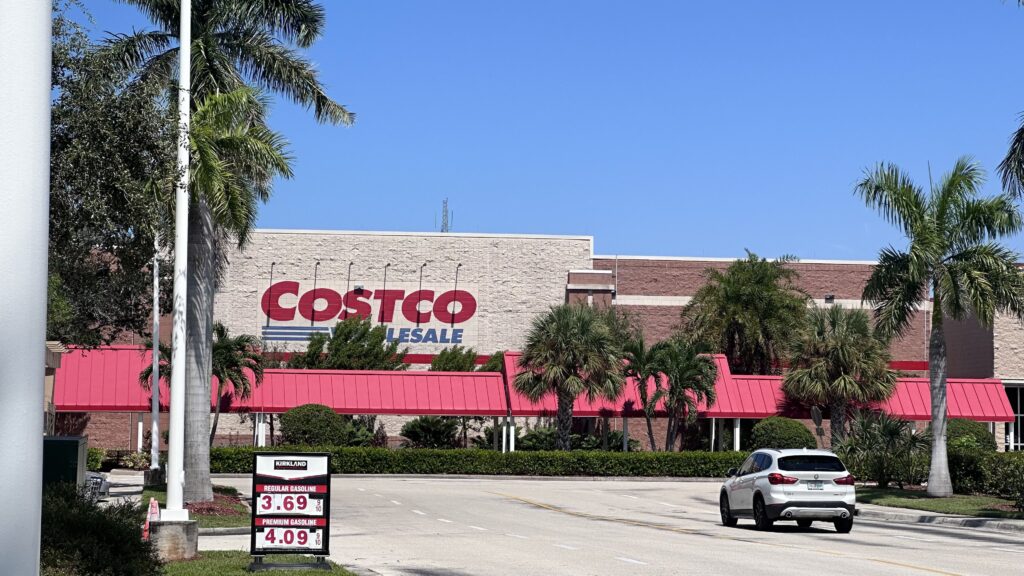
For customers, the clearest takeaway is that Costco’s overall value reputation and these item-specific complaints can both be true at the same time. Consumer Reports’ pricing work suggests the chain remains highly competitive overall, but published shopper feedback shows that not every oversized package fits every budget or kitchen.
The products most often flagged as questionable buys share a pattern: they are either highly perishable, vulnerable to quality decline after opening, or commonly beaten by sale pricing elsewhere. That is why produce, dips, milk, bakery packs, spices, oil, and some household basics appear so often on “skip” lists.
Costco has continued to emphasize value across its merchandising strategy, including recent price cuts on some Kirkland products reported by Kiplinger. For shoppers, that means the best deals are still likely to be the items a household can store, use fully, and compare carefully on a per-unit basis before checkout.