
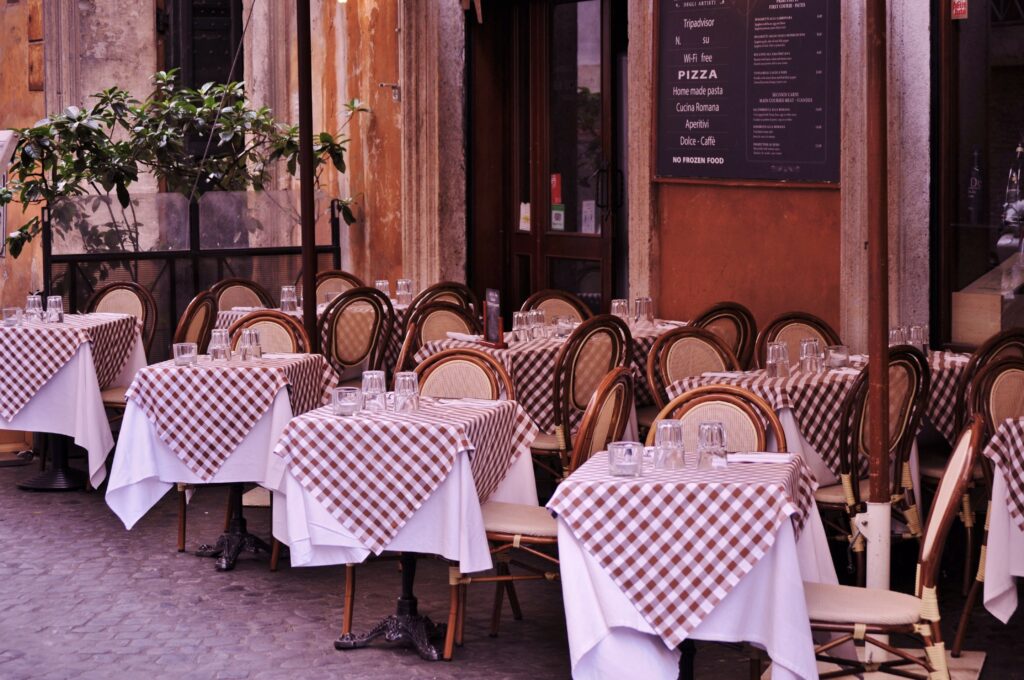
Casual dining chains across the U.S. have spent the past several years grappling with higher costs, weaker traffic, and a wave of restructurings. For Bravo Brio Restaurants, the operator of Bravo! Italian Kitchen and Brio Italian Grille, that pressure has narrowed a once-national Italian chain to a much smaller footprint.
Bravo Brio’s latest bankruptcy confirmed how far the chain has shrunk

Bravo Brio Restaurants filed for Chapter 11 bankruptcy protection on August 25, 2025, according to a March 31, 2026 federal bankruptcy court opinion tied to the case. That court document said the company operated 48 restaurants nationwide as of the petition date and employed about 4,000 people, a steep drop from the chain’s larger footprint in the 2010s.
Older company filings show how large the business once was. Bravo Brio Restaurant Group reported 116 operating locations at the end of 2016, and recent coverage has noted the company had as many as 130 restaurants at its peak. By late 2025, the chain had already shed dozens of units through years of closures and restructurings.
The August 2025 case was the company’s second bankruptcy in five years. Bravo Brio had previously emerged from the 2020 bankruptcy sale of FoodFirst Global Restaurants, but the latest filing showed that earlier restructuring did not restore the business to its former scale.
The remaining footprint is spread across a handful of states, with Ohio still central
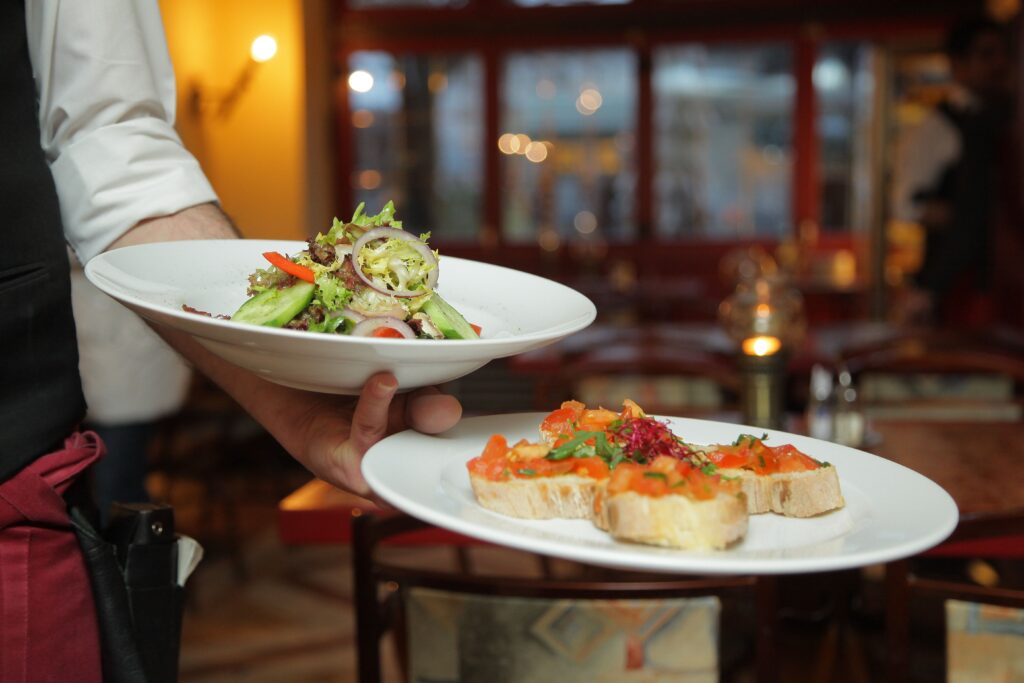
The company’s surviving restaurant base now appears to be concentrated in scattered markets rather than a broad national network. As of June 30, 2026, Bravo! Italian Kitchen’s website listed 17 locations, including multiple restaurants in Ohio and Pennsylvania, while Brio Italian Grille’s website listed 19 locations, with clusters in Florida and Ohio.
That puts the current apparent systemwide count at 36 restaurants if the brand websites are counted together. Ohio remains one of the most visible states in that footprint, with Bravo and Brio both still operating there, including locations in Columbus-area trade zones tied closely to the chain’s history.
What is not fully public is a comprehensive, court-verified list of every closure since the bankruptcy filing. The company has not released a single nationwide rundown of all affected restaurants, so the clearest current snapshot comes from the live location pages for the two brands rather than a formal post-bankruptcy announcement.
Court records and company statements point to inflation, debt, and weaker traffic

The causes outlined in filings and public statements are consistent with broader casual-dining distress. NBC Chicago reported that Bravo Brio described the August 2025 filing as a necessary move to improve its financial position, close underperforming locations, restructure debt, and reduce expenses.
The same report said the company pointed to macroeconomic pressure, including inflation, rising food and labor costs, and decreased customer spending. It also singled out weaker performance in shopping centers with vacant storefronts and lower foot traffic, a problem that has hit many legacy sit-down chains built around mall and lifestyle-center real estate.
A December 2025 restructuring report based on the company’s disclosure statement said Bravo Brio generated more than $186 million in gross revenue in fiscal 2024 but still posted negative EBITDA of about $1 million. Through the first half of fiscal 2025, the disclosure statement said, the company remained in negative EBITDA territory as higher interest rates and operating costs continued to weigh on results.
For diners, the brand is still operating, but on a much smaller map
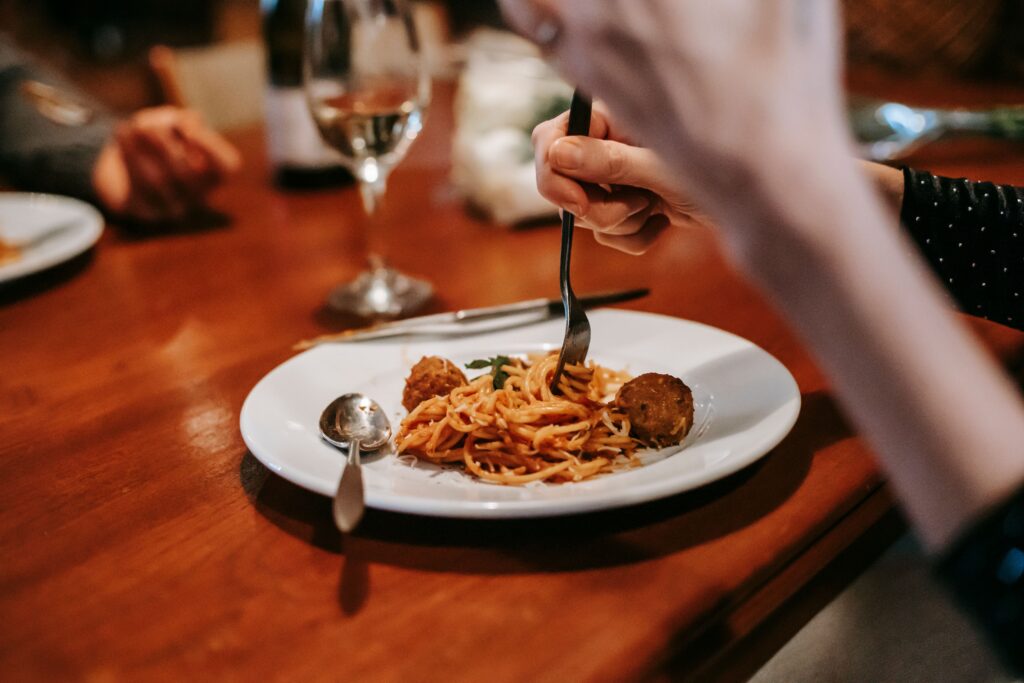
For customers, the practical takeaway is simple: Bravo! Italian Kitchen and Brio Italian Grille have not disappeared, but they are no longer the widely available chain they once were. Diners in markets that still have a restaurant can still make reservations, order takeout, and use catering services through the brands’ websites, which remain active as of late June 2026.
In places that lost locations during the chain’s retrenchment, the company has not publicly outlined any broad reopening plan. Instead, the bankruptcy process has centered on reorganization and ownership changes rather than expansion, according to the case materials filed in court.
That leaves Bravo Brio as a smaller operator trying to stabilize after two bankruptcies. The company’s own current location pages show an Italian chain that once covered much more of the country now operating in a limited set of surviving markets.