Restaurant closures have continued to ripple through the U.S. food business in 2026 as operators face higher costs, uneven customer traffic and tighter margins. In Georgia, three restaurants that had built loyal weekend followings in metro Atlanta communities closed or departed their locations between May 31 and June 7, often with little public notice to regular diners.
Three metro Atlanta restaurants went dark within one week

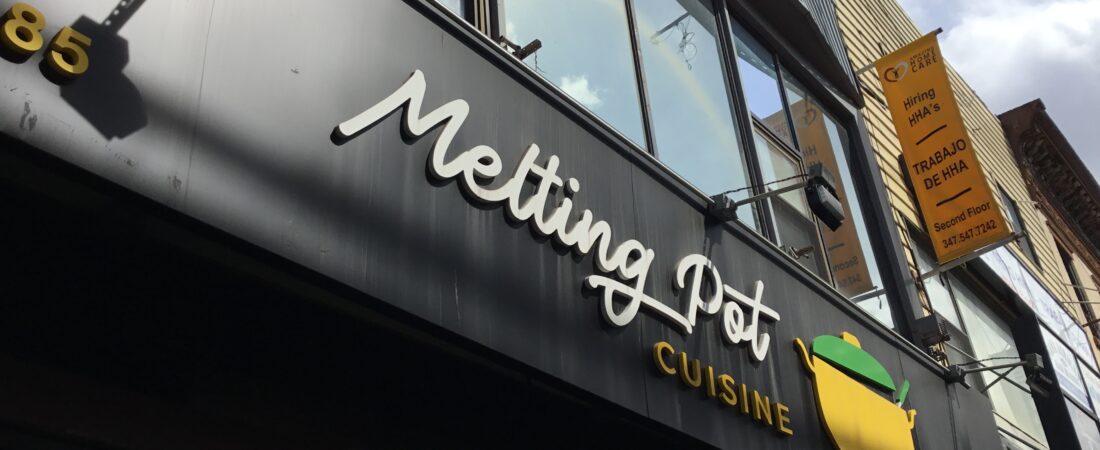
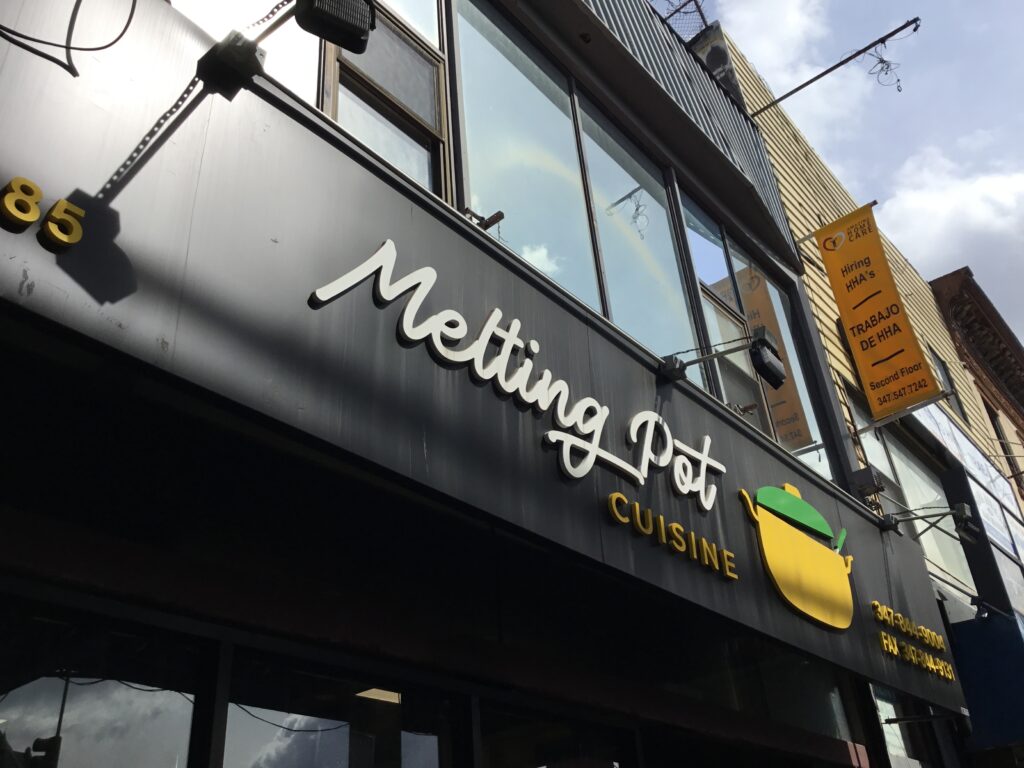
The three restaurants were Chicago’s Steak and Seafood near the Roswell-East Cobb line, The Melting Pot in Duluth, and Reunion Kitchen & Bar in East Cobb. Chicago’s closed on May 31 after more than 35 years, according to East Cobb News, which reported that the restaurant’s last Facebook post on May 23 promoted live entertainment and did not indicate a shutdown. The Melting Pot of Duluth also served its last guests on May 31, and the company stated on its local site that the restaurant’s final day came after more than 36 years in the community.
Reunion Kitchen & Bar followed days later. East Cobb News reported that management announced in late May that the Johnson Ferry Road restaurant would close at the end of that week, and the location was later reported closed on June 7 as the business prepared to relocate. Owner Ilene Oxman told What Now Atlanta, as quoted by East Cobb News, that Sandy Springs would be the next target market.
The scale is small in raw numbers, but notable in local impact: two permanent closures and one neighborhood exit in one short stretch. Chicago’s had operated at 4401 Shallowford Road, The Melting Pot at 3610 Satellite Boulevard, and Reunion at 1255 Johnson Ferry Road, all of them places tied to celebrations, date nights or repeat weekend dining, based on the restaurants’ own branding and local coverage.
East Cobb and Duluth lost familiar dining rooms, with some details still unsettled

The local impact is clearest in East Cobb, where two of the three changes hit within days. Chicago’s is described by East Cobb News as a longtime upscale dining fixture near Johnson Ferry and Shallowford roads, and Reunion had opened only in April 2024 in the former Red Sky space on Johnson Ferry Road. For East Cobb diners, that meant one long-running steak-and-seafood restaurant closed outright while another restaurant with live music left the area for at least the summer.
Some facts remain unconfirmed. Chicago’s management did not publicly provide a detailed explanation at the time East Cobb News reported the closure, and the outlet said repeated messages seeking comment were not returned. In Reunion’s case, management confirmed the move and cited costs, but a full reopening timeline and final Sandy Springs address had not been publicly pinned down when the relocation was first reported.
In Duluth, the Melting Pot closure was more clearly documented than explained. The company confirmed the last day of service as Sunday, May 31, 2026, and directed guests to remaining metro Atlanta locations in Roswell, Kennesaw and Midtown. But no broader public statement detailing the precise business reason for the Duluth shutdown was included on the location page.
Rising rent, operating costs and thin margins are shaping what customers see next

The reasons behind the three closures are not identical, but the broader economics are well documented. Reunion’s management wrote on Facebook, as reported by East Cobb News, that the move was driven by “the continued rise in rent and operating costs,” and Oxman said Sandy Springs looked like a better fit for the business. That makes Reunion the clearest case of occupancy pressure directly tied to a location change.
For the industry overall, the National Restaurant Association said in its 2026 State of the Restaurant Industry materials that persistent cost pressures, uneven traffic and cautious household spending continue to weigh on operators. The group also said food and labor costs for the average restaurant have each climbed 35% over the last five years, while typical pre-tax margins remain about 5%, leaving little room for error. In separate 2026 research, the association said customer traffic is still softer than many operators want and that elevated expenses continue to strain profitability.
For customers in Georgia, the practical takeaway is straightforward. Diners who used the Duluth Melting Pot will need to shift to other metro Atlanta locations, Chicago’s regulars do not have a reopening plan to track publicly, and Reunion customers should expect the East Cobb location to remain closed while the owners work toward a Sandy Springs reopening. As of late June 2026, the public record points to a dining map still changing block by block across metro Atlanta.