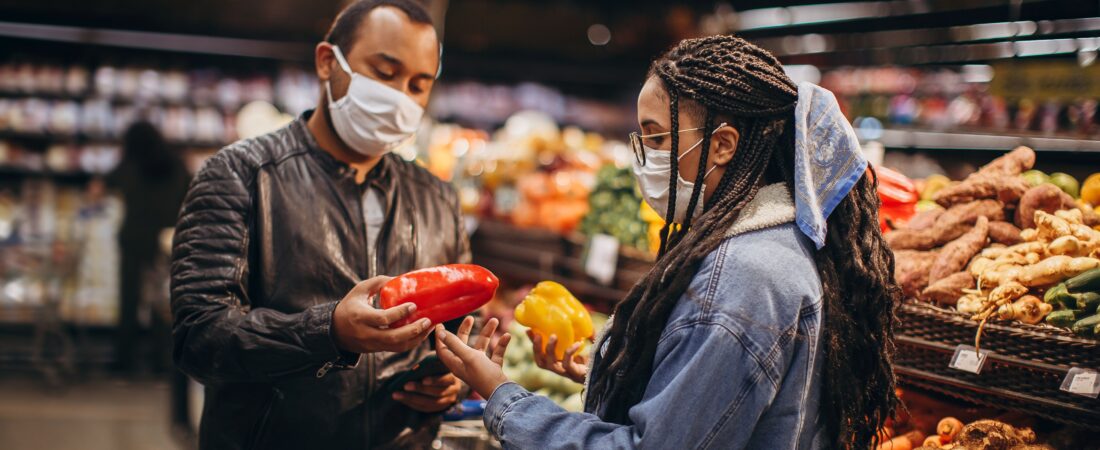
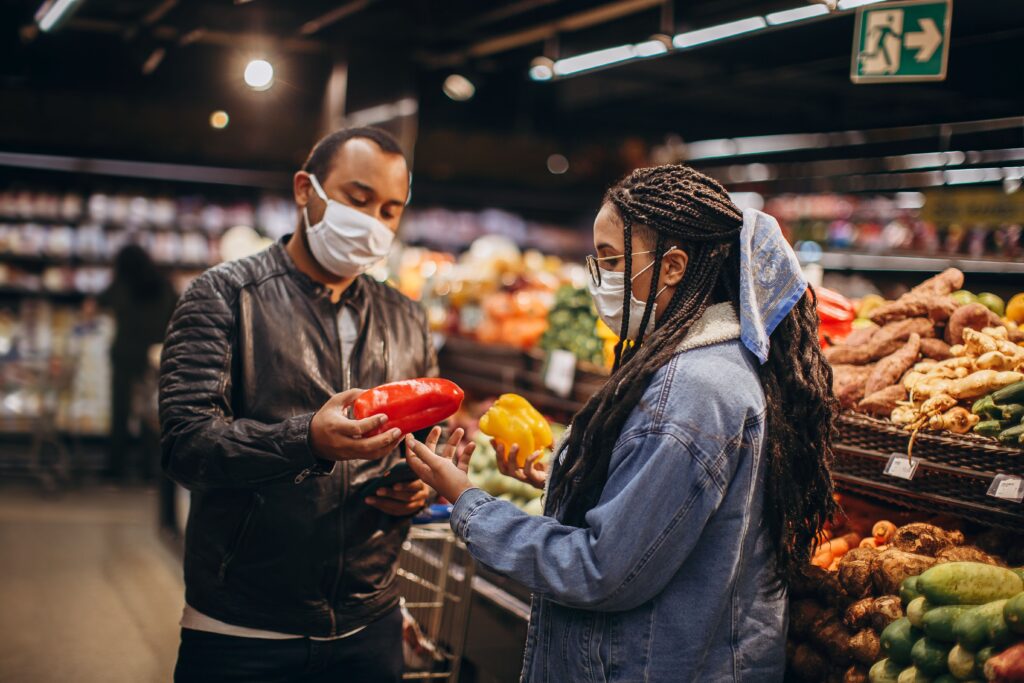
National grocery and big-box retailers still use rain checks and substitute-price policies, even as more weekly deals move to apps and loyalty accounts. For shoppers in the United States, the small print matters: several chains still honor an advertised sale after the shelf goes empty, but only under specific, verified rules.
1. Publix still issues paper rain checks, with strict item caps
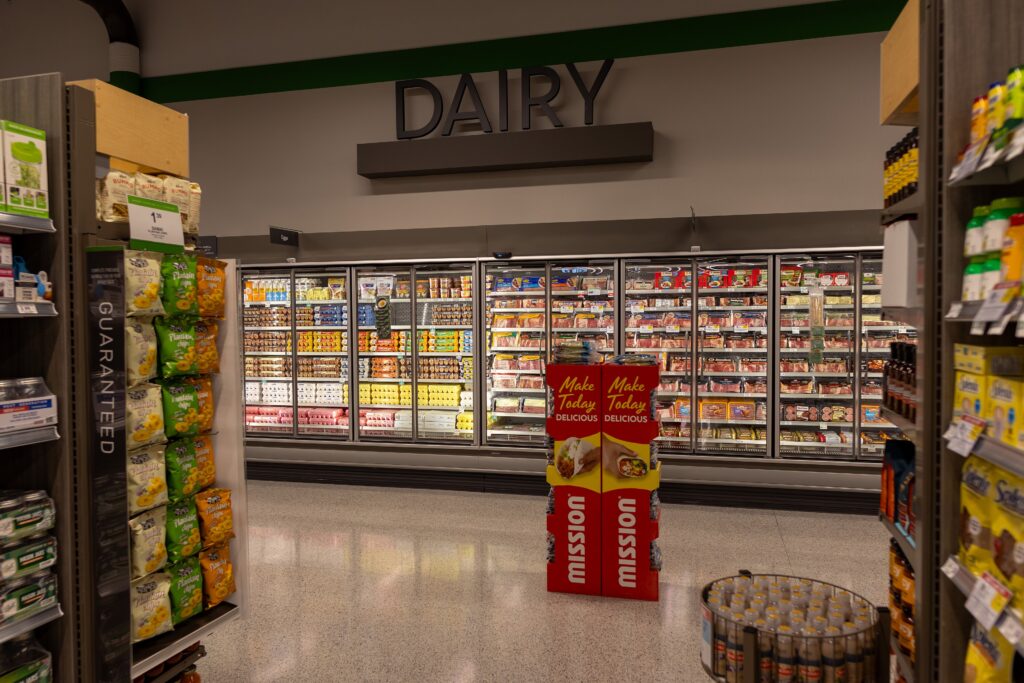
Publix confirmed in its current rain check policy that store managers issue rain checks only for items advertised outside the store at a reduced retail price, including weekly ads, mailers, radio, TV and the company website. The chain also states that a rain check may be redeemed at any Publix location that carries the product, must be used within 30 days, and is limited to one rain check per household per day for the same promoted item.
The quantity limits are narrower than many shoppers expect. Publix states that a rain check can cover up to eight single items or up to four deals, not to exceed 20 items total. It also says the slip must be used for the exact product listed and that any unredeemed balance is forfeited after a partial use.
Publix also excludes several situations. The company says it does not issue rain checks for coupons, treats them as nontransferable, and will not redeem a slip that is lost, destroyed or illegible. Alcohol is also excluded where pricing regulations prohibit it.
2. Target and Albertsons keep the sale alive, but not everywhere
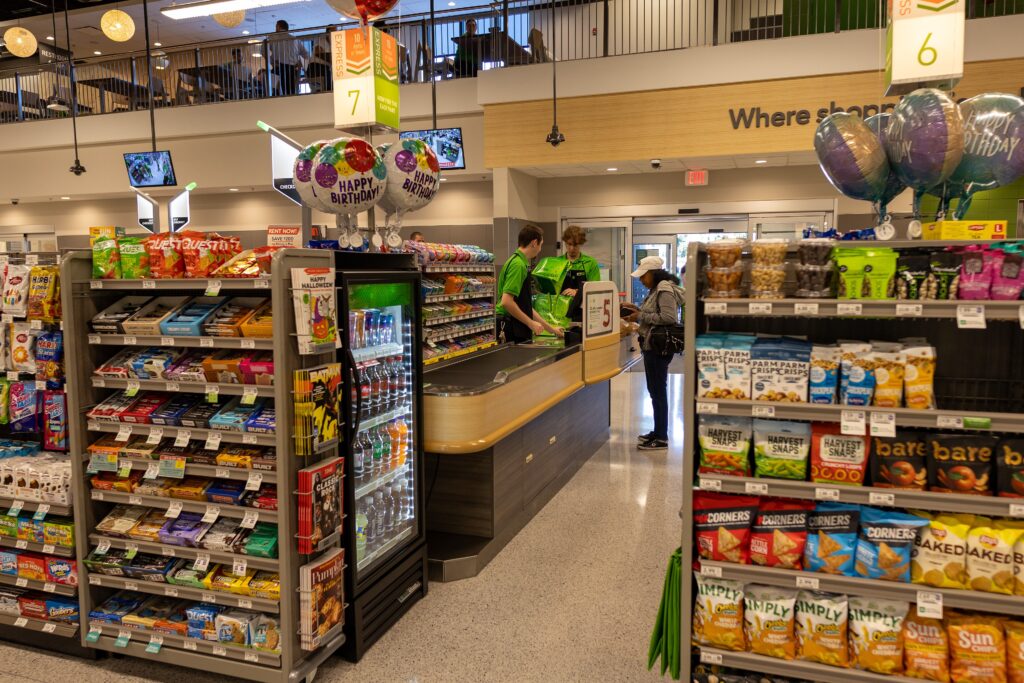
Target’s current guest help policy says a rain check may be available if a sale item is unavailable in a store, and that the document gives shoppers the sale price for 30 to 45 days, depending on the state. The company says the paper slip can be used at any Target store, but not on Target.com, and that online product notifications are not part of the program.
Albertsons’ published coupon policy also keeps rain checks in circulation. The company says rain checks expire 30 days after issue and can be accepted at any Albertsons banner store that has the specific item in stock. That gives shoppers in states served by Albertsons, Safeway, Vons, Jewel-Osco and other banners a practical path to the ad price after a stockout.
The gap is that chains do not always publish a comprehensive, banner-by-banner list of exclusions in one place. Target spells out that clearance, price-cut items, items outside the Weekly Ad and products marked “No Rain Checks” are excluded. Albertsons also reserves the right to update terms, so shoppers can face differences by promotion and by banner.
3. The reason these policies exist is tied to federal grocery ad rules
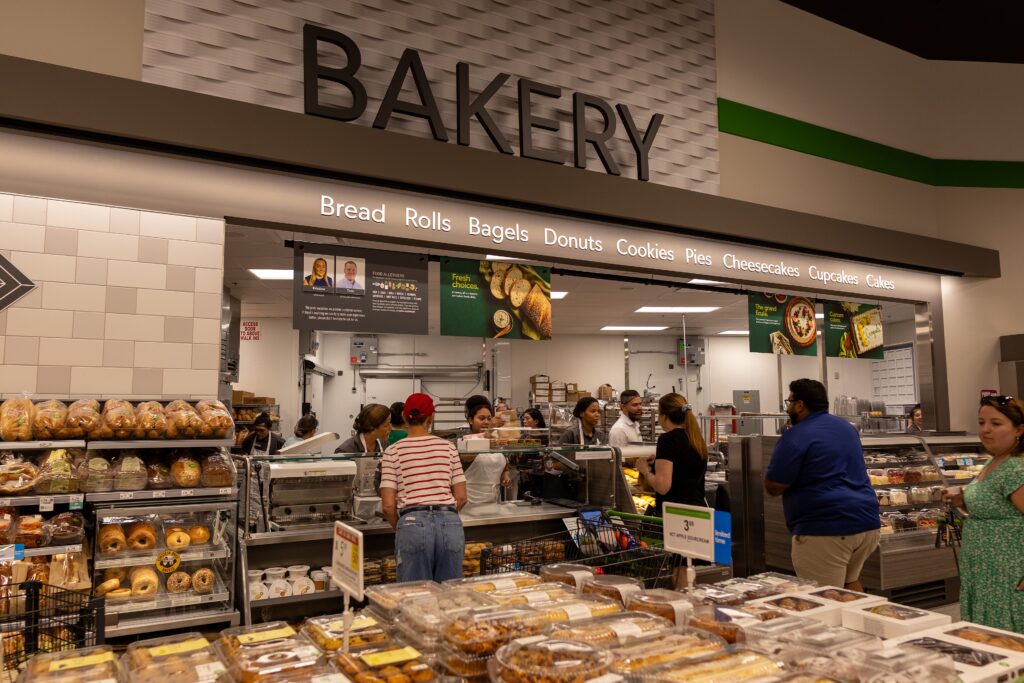
Rain checks are not just a courtesy in food retail. Guidance published by the Georgia Attorney General’s Consumer Protection Division says the Federal Trade Commission requires grocery stores and retailers selling food products to stock advertised items for the full deal period unless the ad clearly states supplies are limited.
If the product runs out and the ad did not disclose limited quantities, that guidance says the store must be able to show it ordered enough to meet anticipated demand or offer a rain check, a comparable substitute at a similar discount, or another form of equal compensation. Florida Attorney General guidance states the same broad principle for grocery advertising and says stores may provide a substitute item at the sale price instead of a rain check.
That context helps explain why policies differ by chain. Some stores still use paper slips, while others lean harder on substitutions or disclaimers such as “while supplies last.” Discount formats that buy limited-time merchandise in batches, including Aldi’s rotating ALDI Finds program, generally do not position those specials as traditional rain-check inventory.
4. What shoppers can actually expect at the service desk
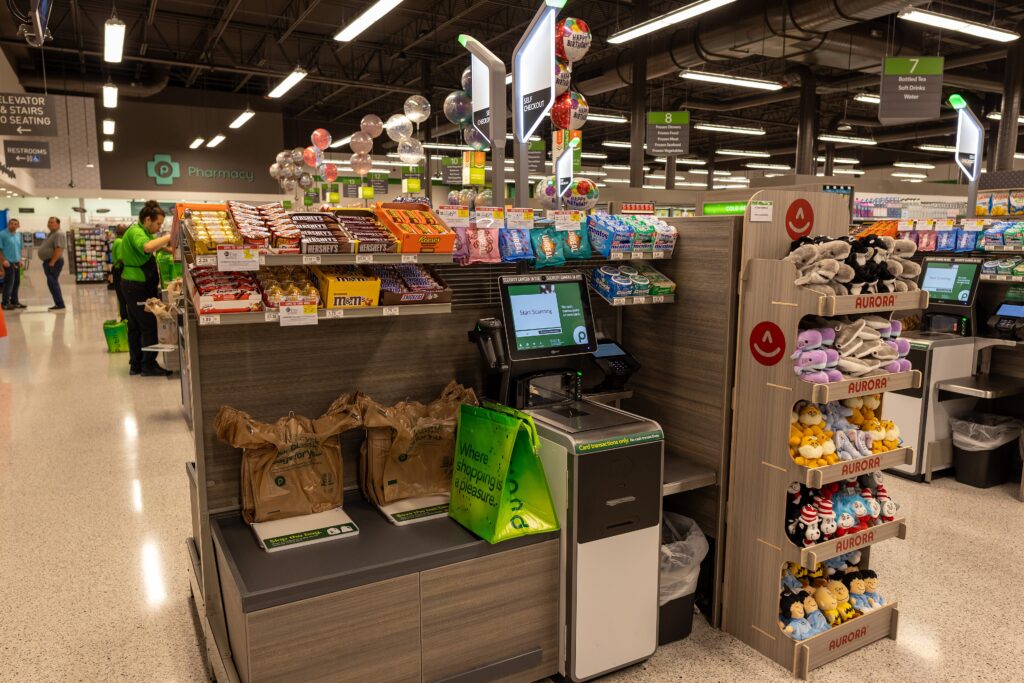
The practical takeaway is that the sale price may still be available, but only if the promotion qualifies and the customer asks before leaving. At Publix, the current written policy requires the exact item and a valid paper slip. At Target, only paper rain checks are issued and accepted, and the policy says no rain checks are offered online.
State rules can matter as much as chain rules. Target explicitly says the valid period varies by state, and official consumer guidance in Georgia says a grocery-store rain check should include the item description, quantity and advertised price. That means the terms on the slip are part of the deal, not a formality.
The other limit is visibility. Stores do not always post a full list of excluded products on the shelf, and the company has not released one universal national rule that covers every promotion type in the same way across every format. For customers, that leaves one consistent fact: when an advertised grocery item is sold out, the answer is not always no.