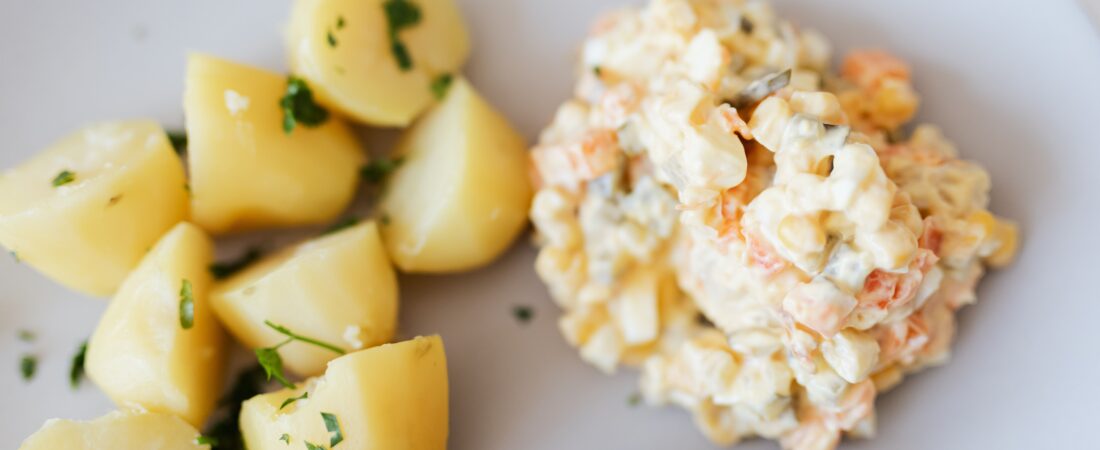
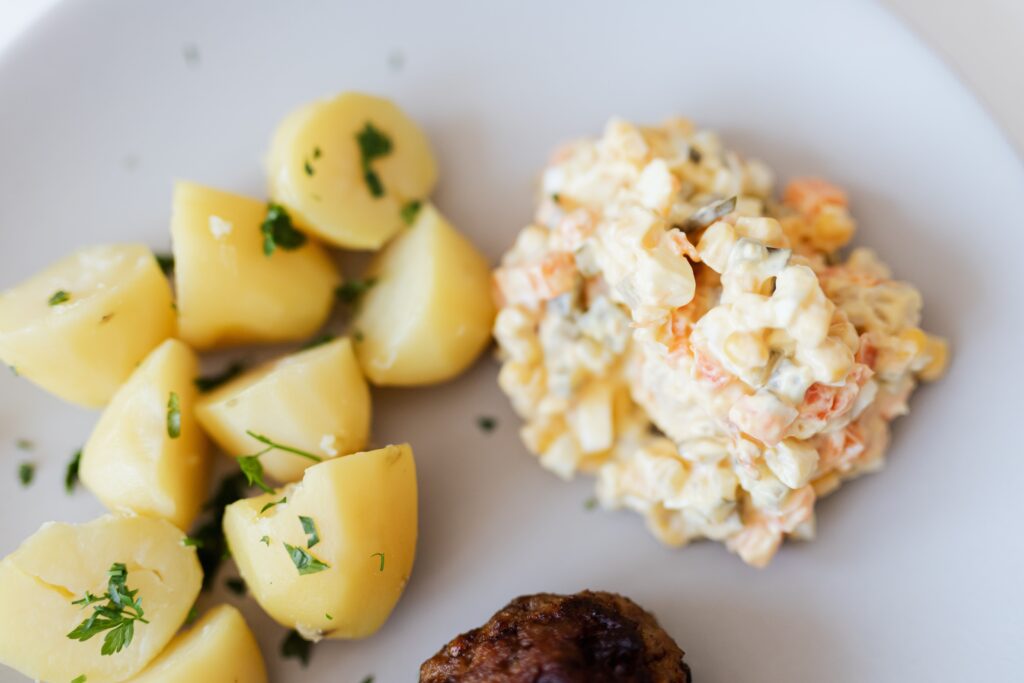
Fifty years ago, Americans were celebrating Independence Day in the shadow of the U.S. Bicentennial buildup, with supermarkets, food brands, and local newspapers all pushing patriotic menus. A review of July 1975 newspaper food sections, grocery ads, and period cookbooks shows that the Fourth of July table often centered on molded salads, baked ham dishes, canned produce, and charcoal-grilled burgers rather than the more streamlined cookout menus common today.
Newspaper menus in July 1975 leaned heavily on convenience foods
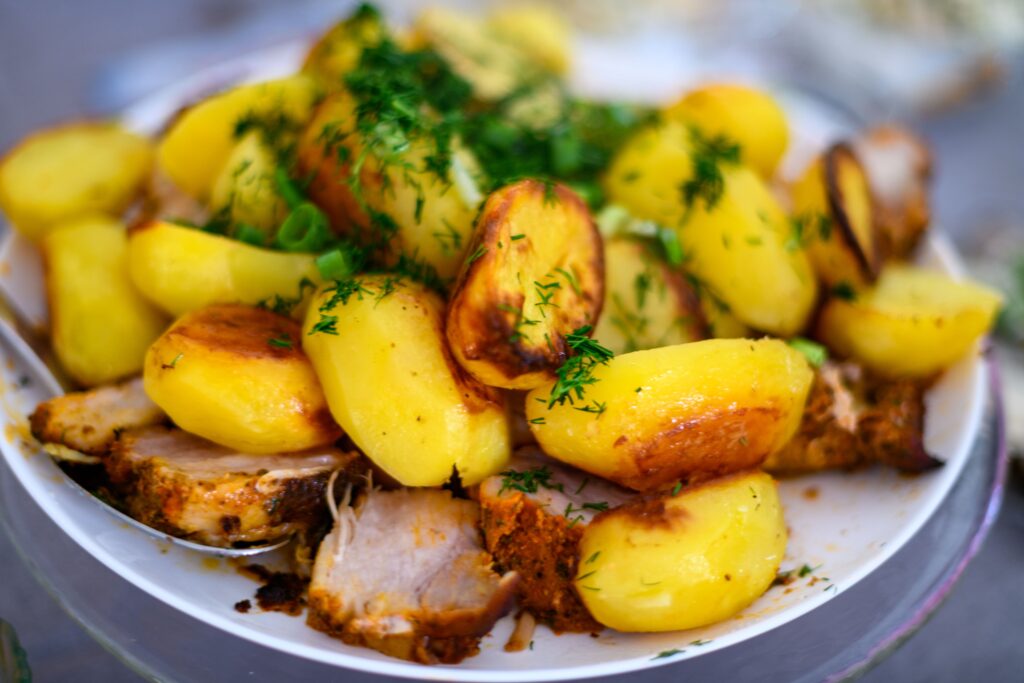
Food pages published in late June and early July 1975 by local U.S. newspapers regularly featured Fourth of July menus built around convenience products. Archive recipes from that period included gelatin salads, deviled eggs, baked beans, potato salad, hot dogs, hamburgers, and sheet cakes decorated in red, white, and blue, according to newspaper food sections preserved in library and commercial archives.
Those menus also showed how strongly branded pantry goods shaped holiday cooking. Recipes frequently called for Jell-O gelatin, Cool Whip, Miracle Whip, canned pineapple, canned fruit cocktail, and packaged cake mixes, reflecting the mid-1970s preference for foods marketed as easy to prepare and serve to large groups.
Charcoal grilling was part of the picture, but it was not the whole picture. Many July 1975 menus paired grilled meats with oven-baked casseroles, molded side dishes, or make-ahead refrigerator desserts, indicating that the holiday meal was often split between the backyard and the kitchen.
Regional July 4 tables varied, but familiar midcentury dishes kept showing up
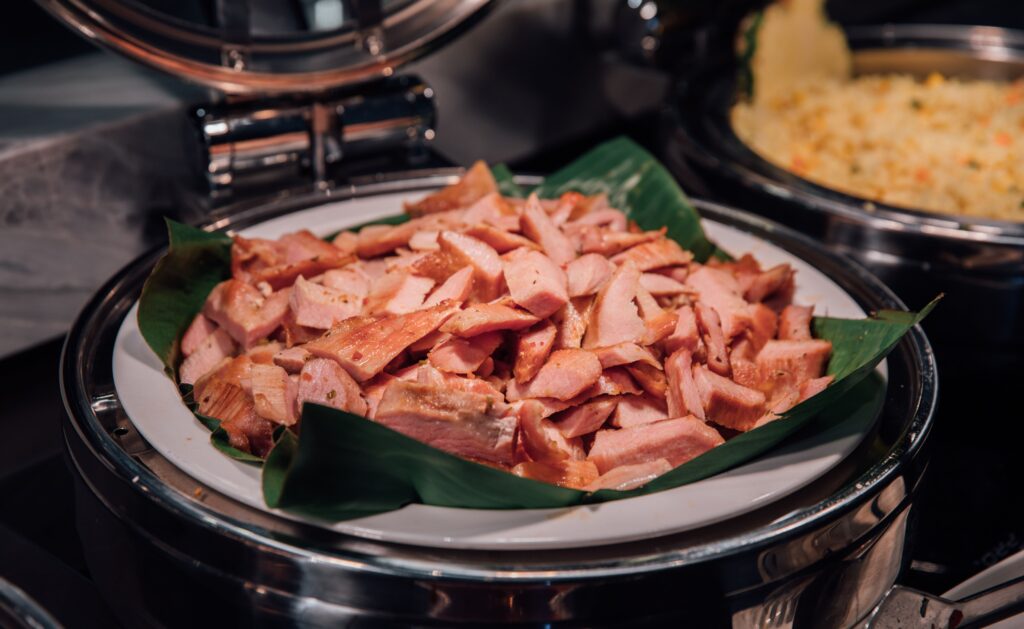
Across the country, local food coverage suggested that Fourth of July meals still followed regional habits. In the Midwest and parts of the South, newspaper-hosted recipe columns and community cookbooks from the era regularly featured baked ham, ham loaf, congealed salads, and creamy slaws alongside picnic staples.
In California and other Western states, outdoor cooking and fresh produce were more visible in seasonal coverage, but convenience foods still appeared frequently. Grilled chicken, corn on the cob, melon, and pasta or macaroni salads shared space with brand-driven desserts and gelatin molds, showing that fresh summer food and processed shortcuts coexisted on the same holiday table.
A full national count of exactly what every household served on July 4, 1975, is not publicly available. What is confirmed from surviving local archives is that menus were less standardized than modern social media feeds might suggest, yet dishes built from canned, boxed, and refrigerated supermarket products appeared in many regions.
Inflation, supermarket marketing, and women’s labor patterns shaped the menu
The food itself reflected broader economic and cultural forces. The U.S. was coming off the high food inflation of the early 1970s, and supermarket advertising in 1975 emphasized value, stock-up pricing, and multiuse products for holiday entertaining, as shown in period grocery circulars and newspaper ad pages.
At the same time, major food manufacturers were promoting convenience as a core selling point. Mid-1970s brand cookbooks and print ads presented gelatin salads, no-bake pies, and prepared dressings as efficient options for hostesses serving crowds, a marketing language widely used at the time.
Household cooking patterns were also changing. By the 1970s, more American women were in the labor force, and food companies increasingly framed boxed mixes, canned ingredients, and make-ahead recipes as practical tools for holiday meals, according to period advertising and contemporaneous food journalism.
For today’s readers, the 1975 menu is a snapshot of a different food culture
For modern readers, the surprise is not that Americans grilled on the Fourth of July in 1975, but that the grill shared center stage with foods now less common at younger gatherings. Gelatin molds, canned-fruit salads, frosted flag cakes made from mixes, and mayonnaise-based sides were not novelty items; they were routine holiday fare in many communities.
That does not mean every table looked the same. Some families served hot dogs and watermelon much as they do now, while others prepared baked meats, casseroles, or church-supper-style salads, especially where extended-family gatherings and potlucks were part of the holiday.
What the archival record makes clear is that the 1975 Independence Day meal was shaped by local newspaper recipes, grocery-store promotions, and a supermarket economy built around packaged convenience. Fifty years later, those menus read less like a modern barbecue board and more like a cross-section of mid-1970s American home cooking.