Colon cancer remains one of the most-studied diet-related cancers in the United States, with guidance from the American Cancer Society, the National Cancer Institute and the World Cancer Research Fund continuing to shape how researchers talk about everyday eating habits. In that research, five weekly staples keep appearing: processed meat, red meat, alcohol, whole grains and dairy foods.
The foods that keep showing up, and what the evidence says
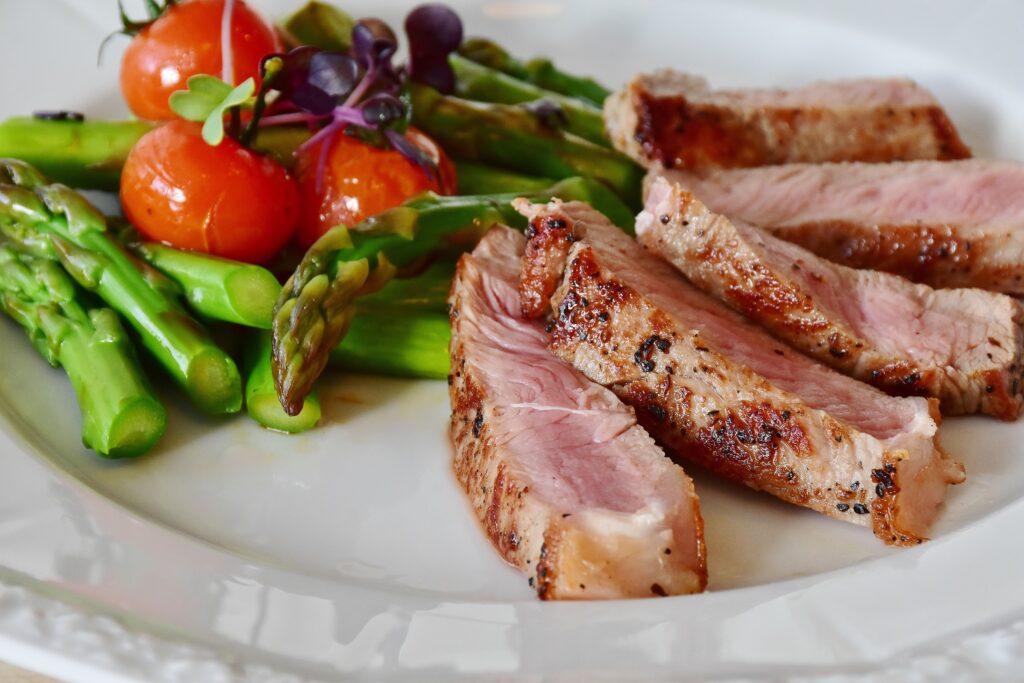
Processed meat is the clearest example. The American Cancer Society said in its updated prevention guidance published in 2025 that major cancer groups recommend avoiding processed meat, while the International Agency for Research on Cancer has classified processed meat as carcinogenic to humans based on evidence tied in part to colorectal cancer.
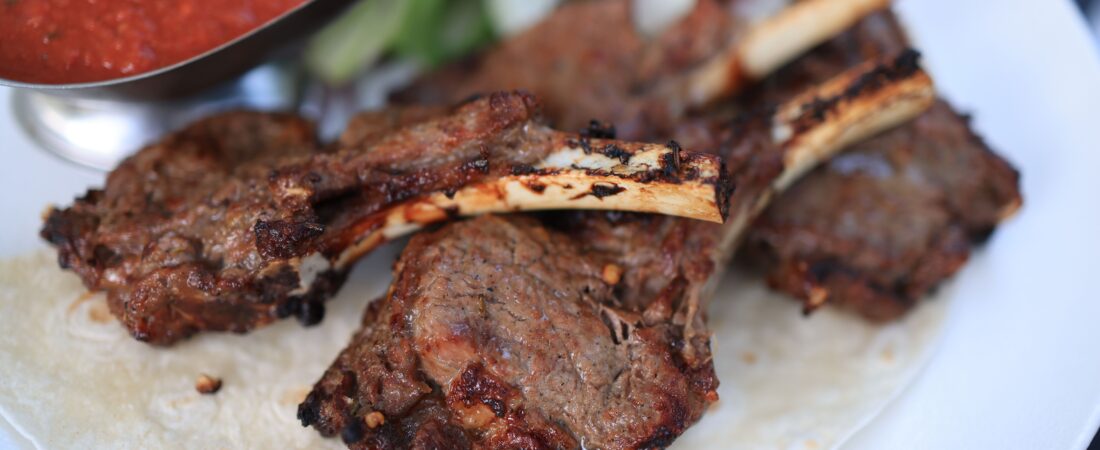
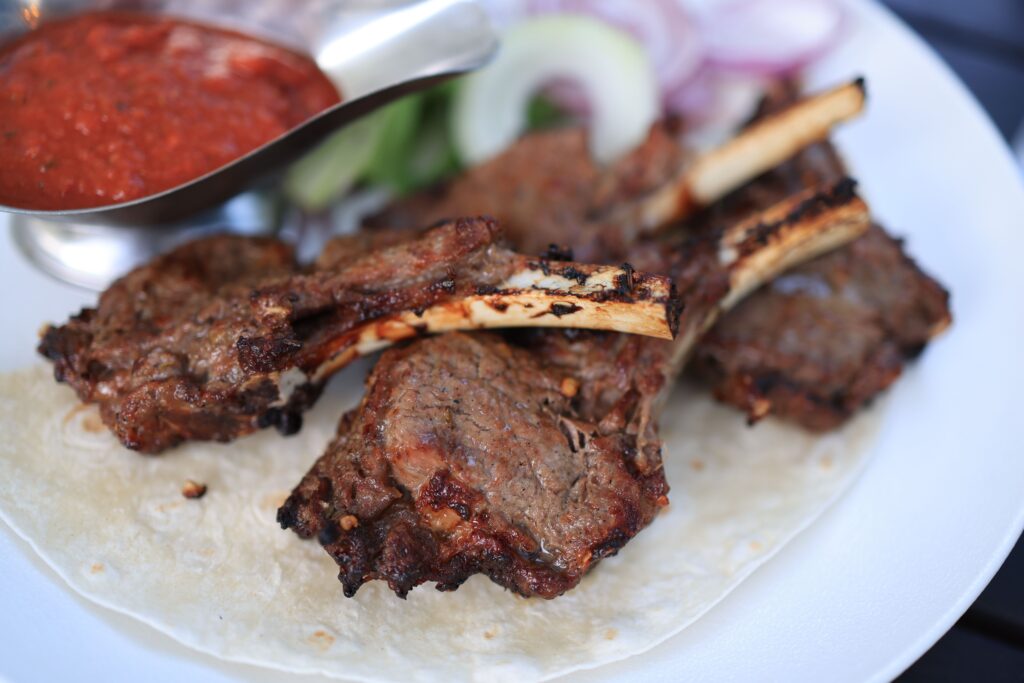
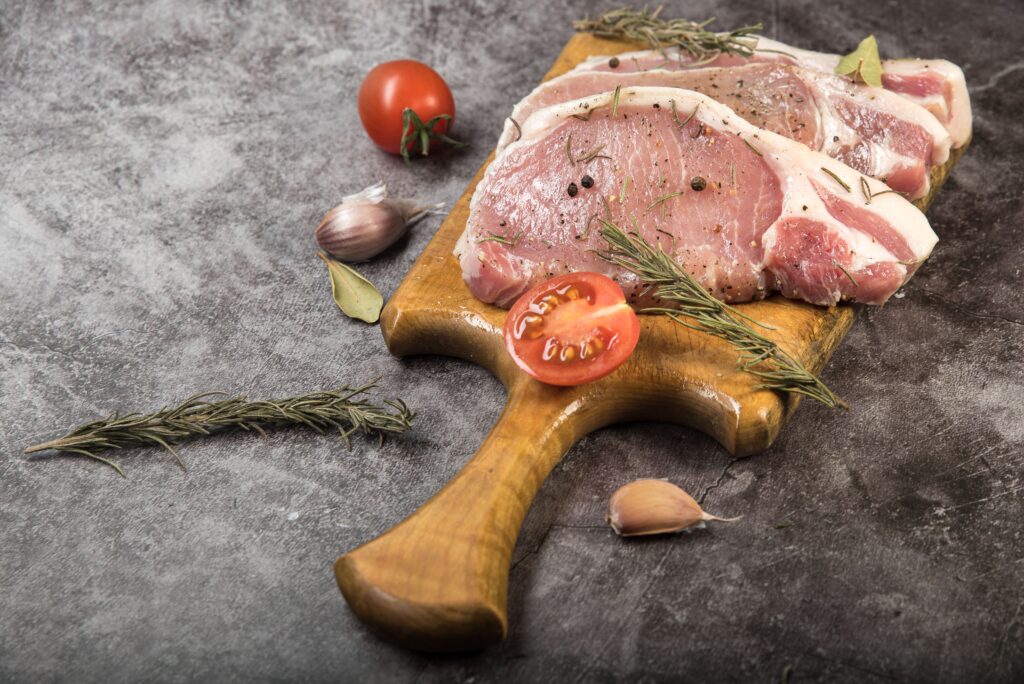
Red meat appears in the same research stream, but with a different level of certainty. The American Cancer Society said red meat, including beef, pork and lamb, is considered probably carcinogenic to humans, and it recommends eating no more than 18 ounces, or about three to four servings, each week to reduce cancer risk.
Alcohol is the third item that repeatedly appears in colorectal cancer research. The National Cancer Institute states that regular or heavy alcohol use increases the risk of several cancers, including colon and rectal cancer, and the American Cancer Society now says it is best not to drink alcohol.
What this means in the U.S., where these foods are routine
This topic is national because the foods in question are not niche items. Bacon, deli meat, burgers, steak, beer, wine, bread, cereal, milk and yogurt are all standard parts of American grocery carts and restaurant menus, which is one reason colon cancer prevention advice often focuses on broad eating patterns rather than rare exposures.
What is confirmed is that large research reviews continue to find a pattern. A major systematic review published through the World Cancer Research Fund and American Institute for Cancer Research found higher intakes of red meat, processed meat and alcohol were associated with increased colorectal cancer risk, while higher whole grain and dairy intake were associated with lower risk.
What is not known is how any one food affects any one person in isolation. The American Cancer Society says colorectal cancer risk is linked to overall dietary patterns, body weight, physical activity and alcohol use, not just a single ingredient or one meal eaten during the week.
Why these five foods stay in the conversation
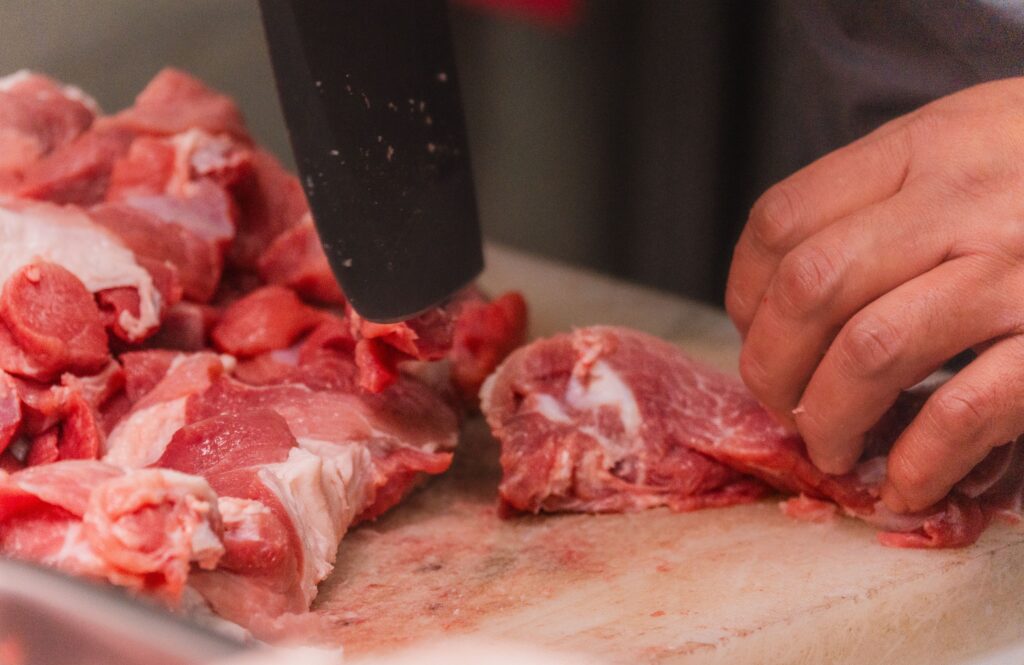
Researchers keep returning to processed meat and red meat because the biological explanations are plausible and the population data are persistent. The National Cancer Institute notes that cooking meats at high temperatures can create chemicals that have caused tumors in animal studies, while processed meats also bring added compounds such as nitrates and nitrites into the discussion.
Whole grains remain on the list for the opposite reason. The American Cancer Society and World Cancer Report both point to diets rich in whole grains as part of lower-risk eating patterns, and a pooled research review found colorectal cancer risk fell by 17% for each 90-gram daily increase in whole grain intake.
Dairy keeps surfacing as a possible protective factor, but with more caution. The same pooled review found a 13% lower colorectal cancer risk for each 400-gram daily increase in dairy intake, yet the American Cancer Society says it does not make a specific dairy recommendation for cancer prevention because dairy may affect different cancers differently.
What readers should take from the research now
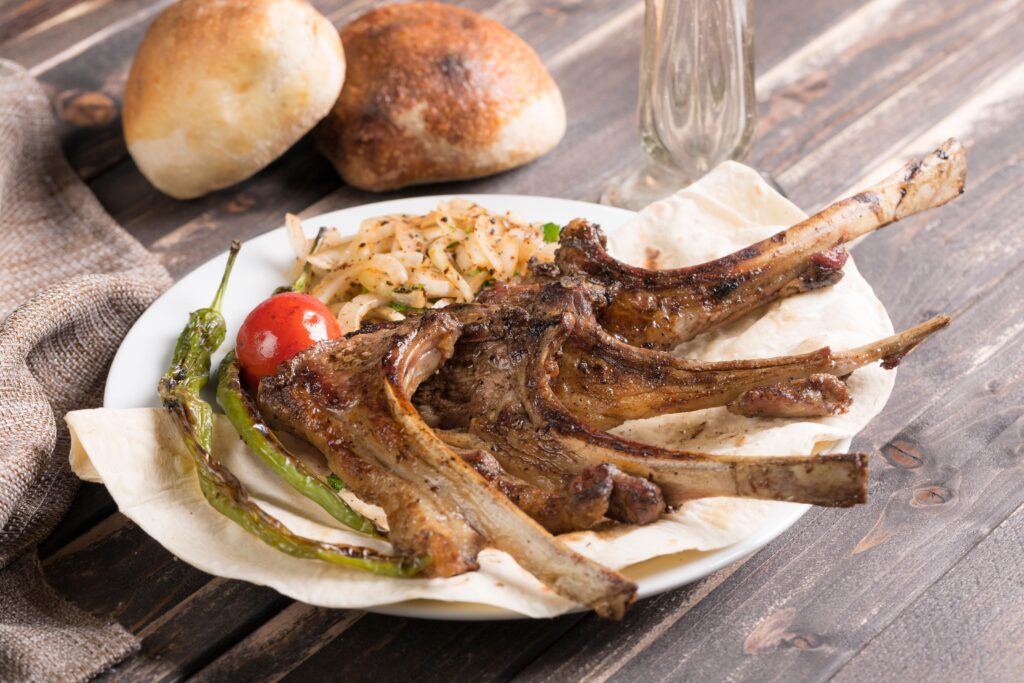
For shoppers and diners, the practical takeaway is not a ban list but a pattern. The American Cancer Society’s current guidance favors meals built around vegetables, fruits, beans and whole grains, while limiting red meat, avoiding processed meat where possible and skipping or limiting alcohol.
That means the five foods in this research do not all belong in the same category. Processed meat, red meat and alcohol are the recurring foods and drinks linked with higher colorectal cancer risk, while whole grains and some dairy foods appear in studies as foods associated with lower risk.
Researchers have not said that diet alone explains colon cancer, and major organizations continue to frame food as one part of prevention alongside screening, physical activity and weight management. But as of the American Cancer Society’s 2025 guidance, the same short list of weekly staples is still showing up in the evidence base around colorectal cancer prevention.