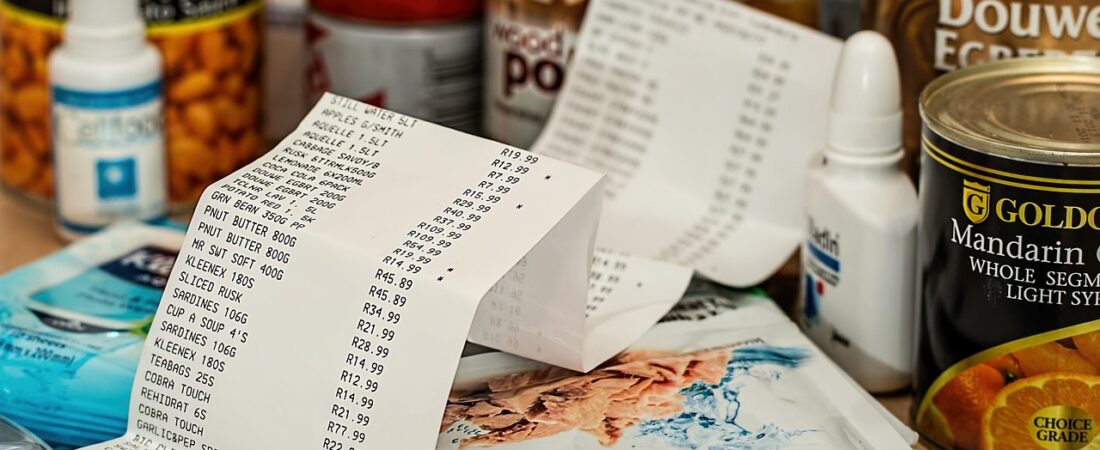
Bulk buying remains a go-to strategy for budget-conscious shoppers as grocery prices stay elevated, with NielsenIQ reporting that U.S. consumers are watching basket costs more closely in the post-inflation economy. This list gets specific about 10 foods that often fail the savings test when bought in oversized packs at warehouse clubs and big-box stores.
Fresh berries spoil fast enough to erase the discount
Fresh berries are one of the clearest examples of a bulk-buy miss. The FDA says consumers should avoid impulse and bulk purchases of produce with a limited shelf life because large portions can end up in the trash, and that warning lines up with how quickly berries soften and mold once refrigerated.
That matters because the math only works if the entire package gets eaten. A lower per-ounce sticker price does not help if a third of the clamshell is discarded a few days later. Kiplinger also recently listed fresh produce among the worst warehouse-club buys for that reason.
For shoppers, berries are a practical case where smaller packs often produce a lower real cost per serving. If a household regularly finishes a large container within a few days, the economics can still work, but federal guidance says bulk produce purchases frequently increase waste.
Bagged salad kits lose value even before the use-by date
Bagged salad kits look efficient in warehouse formats, especially when sold in twin packs, but they are another food where spoilage risk is high. FDA guidance on food waste specifically flags produce as a category where promotions and bulk sizing can push households to buy more than they can use.
Fresh-cut greens also require careful refrigeration, and FDA guidance for industry notes that labeling and cold storage are important to limit spoilage and pathogen growth. In plain terms, these products are perishable from the moment they leave the store cooler.
For customers, the problem is familiar: one bag gets opened, the second sits, and the mix turns limp before it is finished. If the second kit gets tossed, the warehouse-club “deal” becomes more expensive than buying one standard-size salad kit from a conventional grocer.
Avocados are cheap by the bag until they ripen all at once
Avocados frequently look cheaper in five- or six-count bags than when purchased individually. The catch is timing. When several avocados ripen within a narrow window, households often cannot use them fast enough, especially smaller households that are not cooking for a crowd.
Recent personal-finance shopping coverage has repeatedly singled out avocados as a risky bulk buy because of that short usable window. The same consumer logic behind FDA food-waste advice applies here: buying past your realistic consumption rate raises the odds of throwing money away.
For readers, this is less about unit price and more about synchronization. If two avocados are eaten and three go brown on the counter, the effective price per usable avocado jumps quickly. Bulk only saves money when ripening schedules match actual meal plans.
Shredded cheese and large dairy packs can expire half-used
Dairy is another category federal food-waste guidance specifically warns about when it comes to bulk shopping. Large bags of shredded cheese, oversized yogurt packs, and multipacks of sour cream can look like obvious savings, but refrigerated shelf life limits how much a household can realistically finish.
Once opened, quality can decline well before every ounce is used. The FDA says consumers often waste food because of confusion over date labels and storage practices, and dairy is one of the categories where that confusion can translate into half-used containers being discarded.
For customers, the biggest risk is buying more dairy than weekly meals require. A family that cooks often may use a large cheese bag efficiently, but a smaller household can end up paying more overall if mold, off flavors, or simple meal-plan changes leave part of the package unused.
Large spice containers are cheap per ounce but weak per use
Spices are one of the classic warehouse-club traps. Shelf-stable guidance from USDA includes spices among products that can be stored for extended periods, but long storage is not the same as full value. Spices lose aroma and potency over time, which means a giant container can become less useful long before it is empty.
Recent shopping analyses from Kiplinger and other consumer outlets have made the same point: the low per-ounce number can be misleading if the product sits in a pantry for years. A cheaper bottle that never gets finished is not a better buy.
For shoppers, the better measure is cost per recipe, not cost per ounce. Core seasonings used constantly may justify a larger format. Specialty spices for occasional baking, holiday cooking, or one-off recipes usually do not, especially if flavor fades before the jar is half gone.
Cooking oil can go rancid before the bottle is finished
Cooking oil looks like a pantry-safe bulk staple, but it is another product that can quietly lose value over time. USDA shelf-stable food guidance includes oils in the pantry category, yet consumer advisers have warned that oversized bottles can turn rancid before smaller households finish them.
That risk is especially relevant for olive oil and other oils used in modest amounts. Exposure to air, light, and time steadily reduces quality. The upfront warehouse price may still be lower by volume, but the savings disappear if part of the bottle is dumped.
For customers, the practical question is turnover. A large family or someone who fries often may use bulk oil fast enough to make the purchase worthwhile. For everyone else, smaller bottles bought on sale can deliver a lower total spend and better quality in the kitchen.
Nuts go stale and their price per serving climbs fast
Nuts are often sold in big, seemingly economical tubs, but they are calorie-dense, relatively expensive, and vulnerable to staleness if they linger. Consumer shopping guidance has recently grouped nuts with other foods that can waste money when households overestimate how quickly they will be eaten.
This is not just about texture. As nuts sit, flavor quality can slip, and some oils in the product can degrade. That can make the final servings less appealing, which increases the chance the container remains unfinished.
For readers, the key is purchase frequency versus package size. If nuts are used daily for lunches, baking, or snacks, bulk may work. If they are an occasional topping for oatmeal or salads, a smaller bag often preserves both freshness and the actual savings.
Breakfast cereal in giant boxes can go stale after opening
Bulk cereal is a common warehouse purchase because the per-ounce cost often beats supermarket shelf prices. The problem starts after opening. Large boxes or twin packs can lose crunch over time, especially in humid kitchens or households where only one person eats that brand.
Recent warehouse-buy analyses have flagged cereal as a category where staleness undermines value. This is the same pattern seen across many oversized pantry items: the sticker price suggests savings, but the household’s eating habits determine whether those savings are real.
For customers, cereal is a reminder that package size should match demand. A family with several cereal eaters may finish a giant box quickly. A smaller household may find that sale-priced regular boxes from a grocery chain produce less waste and nearly the same total cost.
Bread and baked goods have a short household window
Bread, bagels, muffins, and other baked goods can be attractively priced in club-size packs, but they often have one of the shortest practical windows for home use. Unless a household freezes and rotates them carefully, mold or staleness can set in before the package is finished.
Consumer finance coverage in 2026 has repeatedly listed bread among the bulk foods shoppers should think twice about. The reason is simple: even if the unit price is lower, wasted slices push the real cost per sandwich or breakfast serving much higher.
For shoppers, this is one of the easiest categories to evaluate honestly. If the household freezes extra portions the day they are bought and uses them consistently, bulk can still work. Without that routine, the savings often exist only on the shelf tag.
Family-size snack packs encourage waste or overbuying
Chips, crackers, pretzels, and similar snacks are not highly perishable in the way berries are, but they still often fail the value test in bulk. Large containers can go stale after opening, and recent shopping guidance has noted that oversized snack purchases can backfire for smaller households.
There is also a spending issue separate from freshness. Bulk deals can nudge shoppers into buying a product they would not otherwise purchase in that quantity. FDA food-waste guidance directly warns that promotions and bulk purchases can lead consumers to buy beyond their typical needs.
For customers, the takeaway is straightforward. Bulk shopping can absolutely save money, but only when households use what they buy before quality drops or food gets thrown out. In a grocery market where consumers are tracking every dollar, actual consumption remains the number that matters most.