Grocery shopping in the United States is shifting in measurable ways in 2026 as chains respond to slower inflation, tariff pressure, labor shortages and tighter household budgets. Inside stores and apps, that is translating into at least 13 visible changes, from more digital price tags and bigger private-label assortments to expanded discount footprints and broader online access for SNAP shoppers.
Digital shelf labels are spreading, and paper tags are not keeping up
One of the clearest changes is the spread of digital shelf labels, the small electronic price displays replacing printed tags. FMI, the food industry trade group, said on April 7, 2026 that these labels are steadily replacing paper tags as retailers seek better pricing accuracy, less waste and faster in-store updates. That is change No. 1 for shoppers. Change No. 2 is the growing use of phones in the aisle, with FMI reporting on January 29 that shoppers are using smartphones to find digital coupons, compare prices and check weekly specials.
A third shift is more AI behind routine grocery decisions. FMI said in April that artificial intelligence is increasingly influencing digital engagement, while Grocery Dive reported in March and May that chains and wholesalers are using AI for replenishment, forecasting and merchandising. Shoppers may not see that software directly, but they see its effects in fresher shelves, different promotions and more personalized online suggestions.
These adjustments are happening while stores try to modernize without sharply disrupting the trip. FMI has also pushed back on claims that digital labels are a mechanism for constant surge pricing, saying the technology primarily supports accuracy and operations. AP reported in 2025 that a study of one grocery chain found only a minimal increase in temporary price increases after electronic labels were installed.
Store brands and discount chains are getting bigger, more visible and more polished
Private-label groceries are expanding beyond plain, low-cost basics. Walmart said on April 15 that it is redesigning Great Value across nearly 10,000 food and consumables items, its first broad refresh in more than a decade. That marks change No. 4, more store-brand shelf space, and change No. 5, packaging that emphasizes attributes such as protein content or gluten-free labeling so shoppers can compare products faster.
That push is not limited to Walmart. FMI said in April that both private and national brands are posting roughly 19% online dollar growth, even as in-store unit sales soften. Food industry reporting in February and May showed Kroger, Hy-Vee and other operators pushing “better-for-you” private-label lines as store brands continue to gain share.
The sixth and seventh changes are tied to where people shop. Aldi said in January it plans to open more than 180 U.S. stores across 31 states in 2026 as part of its $9 billion expansion plan, aiming for nearly 2,800 stores by year’s end. Reuters said Aldi also plans a redesigned website with more personalized recommendations and wider delivery integration, adding more pressure on traditional supermarkets to compete on both price and convenience.
Price pressure has eased, but the mix inside the basket is still changing
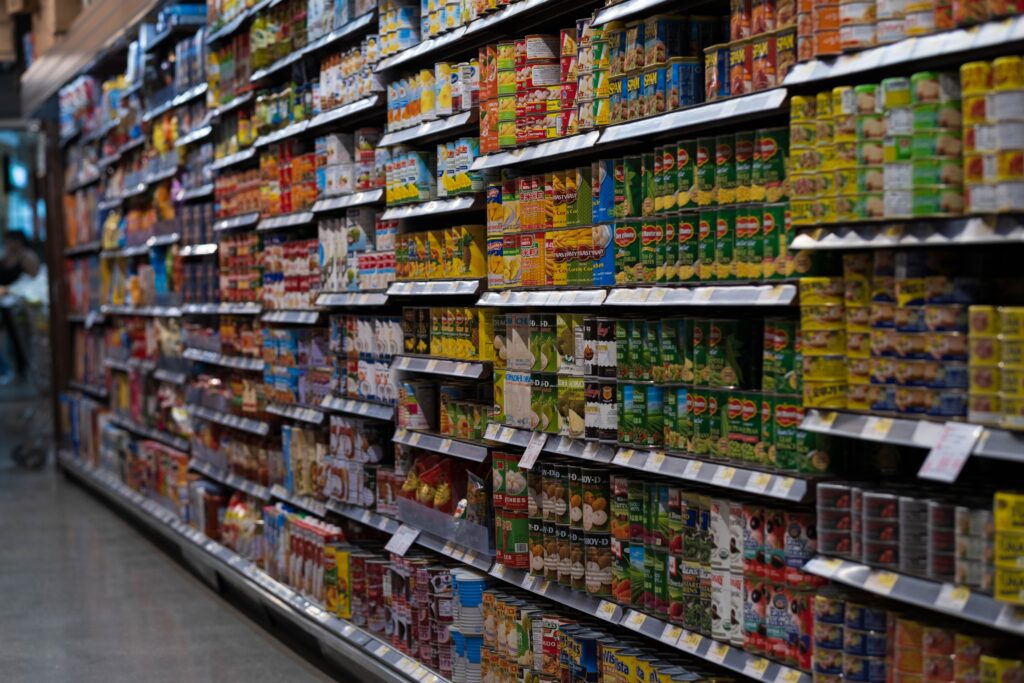
The eighth change is that overall grocery inflation is cooler than the peaks of the past few years, but it has not disappeared. The U.S. Bureau of Labor Statistics said consumer prices rose 2.4% over the year ending in February 2026, while USDA said food-at-home prices in April 2026 were 2.9% higher than a year earlier. That means many staples still cost more than they did recently, even in a less volatile inflation environment.
The ninth change is sharper swings in specific categories. USDA has pointed to continued volatility in eggs tied to avian influenza and production shifts, while beef, beverages and packaged goods have also seen uneven price movement. FMI said in February and again in May that labor, transportation, energy, weather and tariffs remain sources of uncertainty, and that tariff-related cost pressures can take months to show up on shelves.
The tenth change is more aggressive value positioning by chains trying to hold customers. Reuters reported in May that Kroger plans price cuts on thousands of items under new CEO Greg Foran as it tries to regain shoppers from Walmart, Costco and Aldi. FMI has separately described a “K-shaped” grocery economy in which some households keep trading down while others still spend on premium products, forcing stores to market value and indulgence at the same time.
Online grocery is becoming more normal, including for shoppers using federal benefits
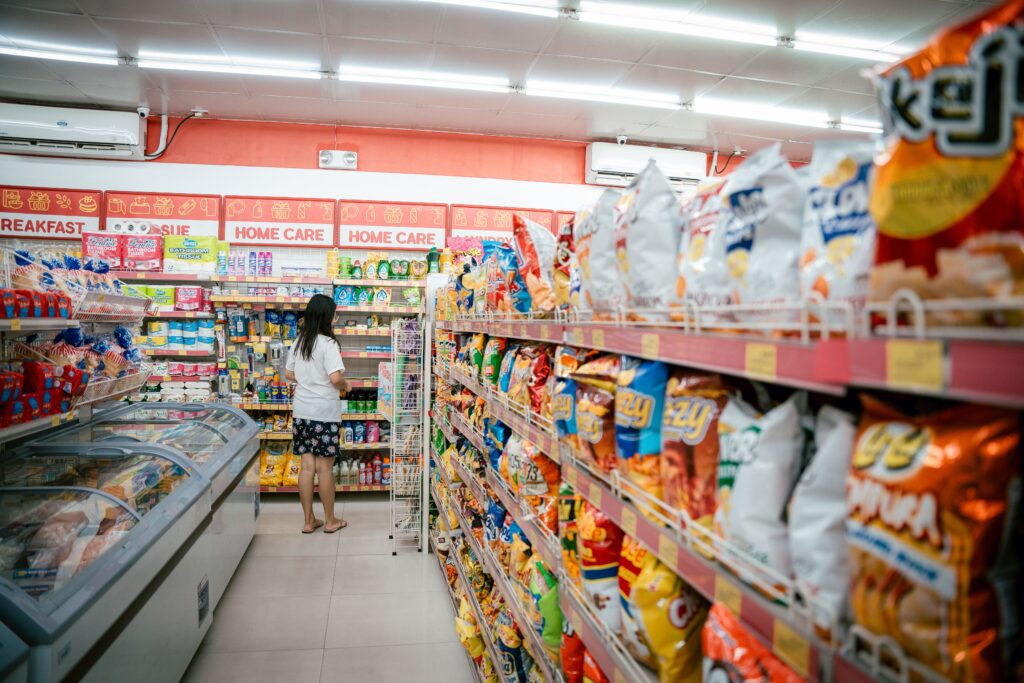
The eleventh change is that online grocery is now built more deeply into the mainstream store experience. USDA’s Food and Nutrition Service said its SNAP online purchasing system continues to expand, with more than 390 retailer chains live nationwide. That means digital ordering is no longer just an add-on for high-income shoppers in major metros.
The twelfth change is practical access. USDA said its SNAP online page was updated on February 17, 2026 and continues to direct shoppers to participating retailers by state, while retailers seeking to join must meet federal online purchasing requirements. For customers, that means more stores now treat pickup, delivery and benefit payment systems as part of standard grocery operations rather than a separate experiment.
The thirteenth change is what all of this looks like on a routine store run. Shoppers in 2026 should expect more digital signs, stronger store-brand presentation, more discount competition, more app-based promotions and more price sensitivity from chains trying to protect traffic. USDA still expects food-at-home prices to rise this year, and FMI said in June that shoppers remain concerned about tariffs, transportation costs and crop availability, so the modern grocery store is becoming more digital and more value-focused at the same time.