Restaurant franchise bankruptcies have continued to surface across the U.S. in 2026 as operators contend with higher labor costs, softer traffic, and debt pressure. In California, that trend reached one of the state’s larger burger franchise operators when Friendly Franchisees Corporation, a major Carl’s Jr. operator, sought Chapter 11 protection this spring.
A large Carl’s Jr. operator entered Chapter 11 in April
Friendly Franchisees Corporation, one of the larger Carl’s Jr. franchise operators in California, filed for Chapter 11 bankruptcy protection on April 2, 2026, according to trade reports citing court filings. Restaurant Business reported that the company and affiliated entities entered bankruptcy while operating 67 Carl’s Jr. locations in the state, while QSR Magazine reported the group as a 65-unit franchisee.
That means the verified scale is in the mid-60s, even though public reports do not fully reconcile the exact current store count. Both trade outlets identified the operator as a significant Carl’s Jr. franchisee based in California and tied the filing to a broad restructuring effort rather than a systemwide issue for the burger chain.
The company was founded by Harshad Dharod, who acquired the restaurants in 2000 after previously operating Jack in the Box units, according to QSR Magazine’s report on the filing. The Chapter 11 case applies to this franchise group and its related entities, not to the entire Carl’s Jr. brand.
What is confirmed in California, and what is not yet public
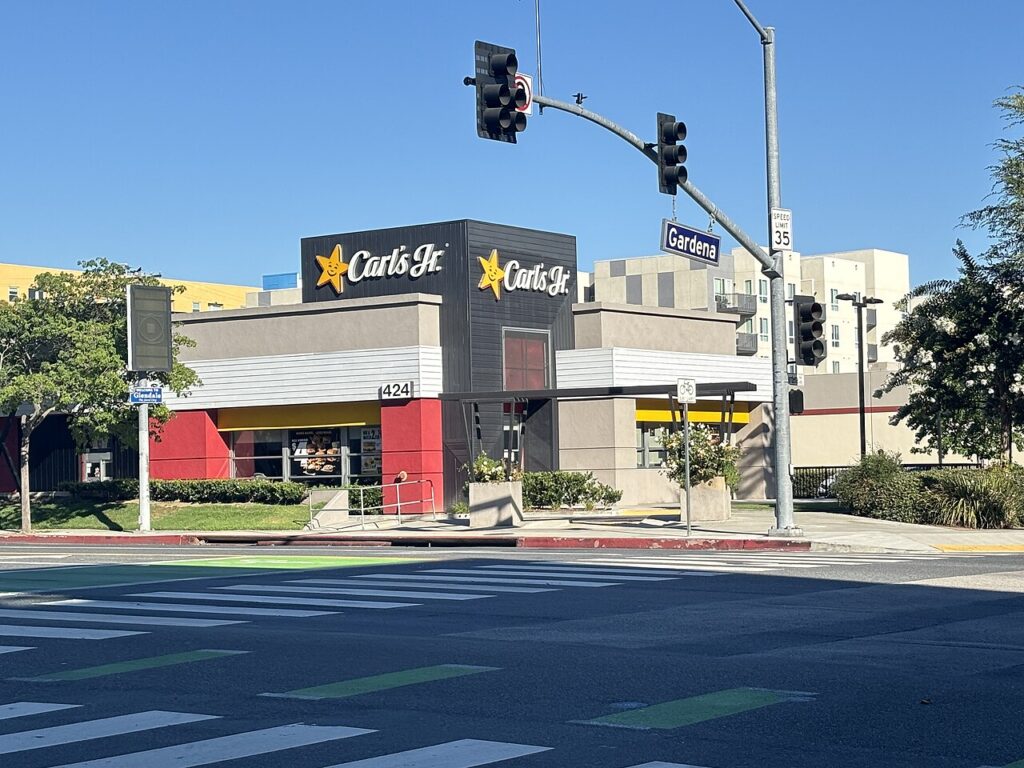
The immediate impact is centered in California because the restaurants named in public reports are all within the state. Trade coverage described Friendly Franchisees as a California-based operator with dozens of Carl’s Jr. stores, making this a notable filing in the state’s fast-food sector.
What is not yet publicly confirmed is a comprehensive location-by-location list of affected restaurants. Public reporting reviewed here does not include a full roster of stores, and no statewide closure map has been released in those reports. That leaves open questions about whether every restaurant remains open during the restructuring process or whether some units could be sold, transferred, or closed later through the bankruptcy case.
Carl’s Jr. representatives said the bankruptcy is limited to this franchise group and does not affect other Carl’s Jr. franchisees or the broader brand, according to the source material provided by NewsBreak. That distinction matters in California, where customers may still see unaffected Carl’s Jr. locations operating under different franchise owners.
Rising costs and weak sales were cited as key pressures
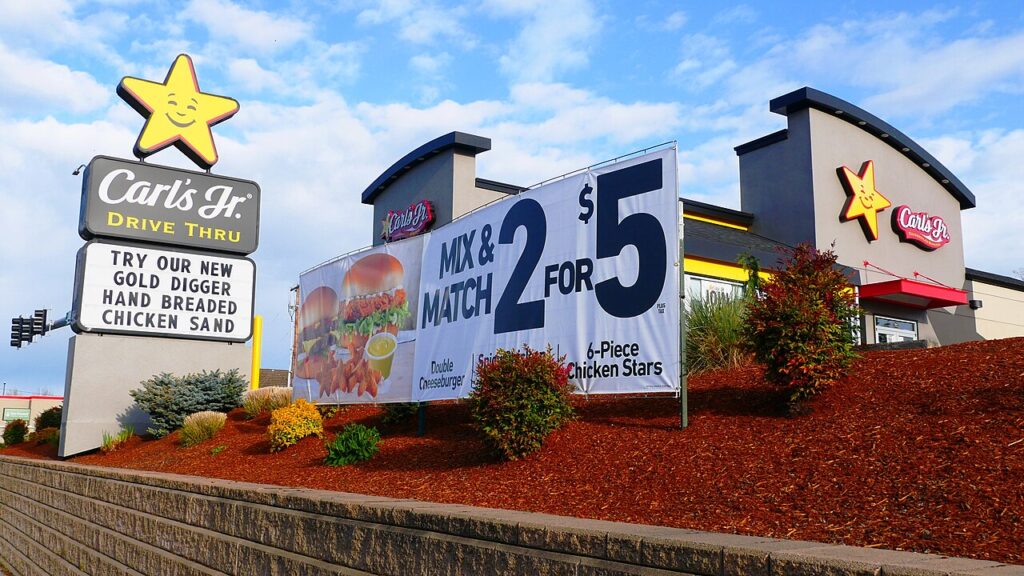
Public reports tied the filing to a combination of labor cost increases, declining sales, competition, and operational strain. The source material provided states that court filings blamed California’s $20 fast-food minimum wage law for sharply increasing operating expenses, while also pointing to reduced marketing effectiveness and leadership turnover at the franchisor level.
California’s fast-food wage law is real and took effect on April 1, 2024. The state Department of Industrial Relations and Governor Gavin Newsom’s office both state that AB 1228 raised the hourly minimum wage for covered fast-food workers to $20 starting on that date.
At the same time, the broader policy debate remains contested. California officials have pointed to state and federal employment data and later research saying the wage increase did not produce the severe job losses critics predicted, even as some restaurant operators and franchisees have continued to argue that the higher wage floor added meaningful financial pressure.
What customers should expect next from the bankruptcy case
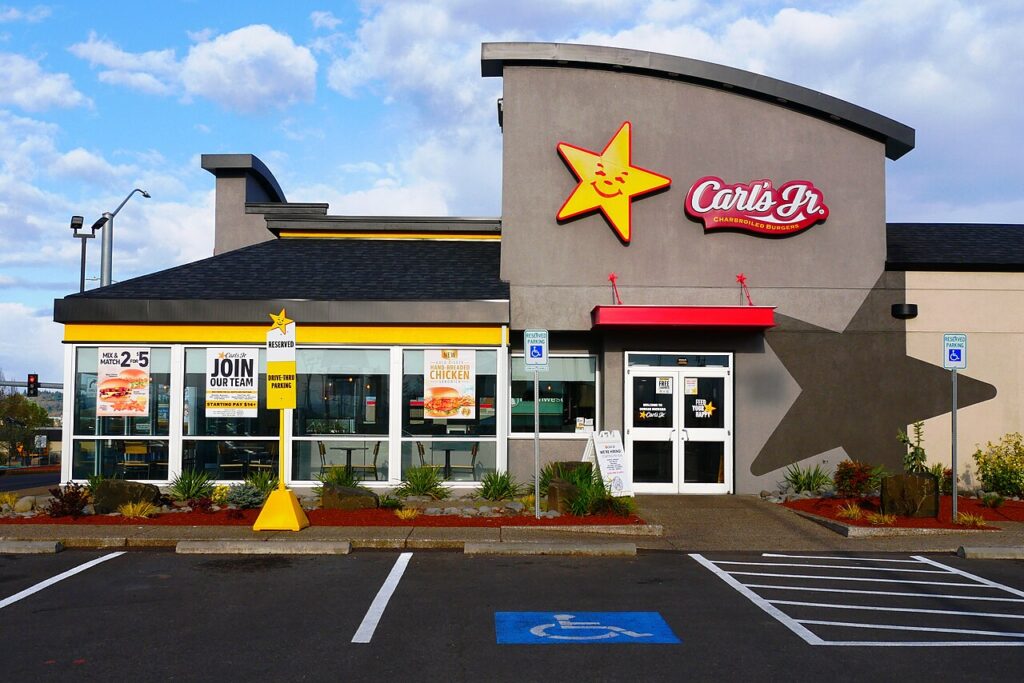
For customers, the most practical takeaway is that a Chapter 11 filing does not automatically mean immediate shutdowns. In many restaurant bankruptcies, operators continue serving customers while they restructure debts, renegotiate leases, or evaluate underperforming stores, though any exact next steps in this case would depend on the bankruptcy proceedings and company decisions.
There is also no indication in the reporting reviewed here that the filing affects Carl’s Jr. restaurants outside this franchise group. Customers in California may continue to see normal operations at many locations, but the company has not released a comprehensive public list showing which stores, if any, face changes during the restructuring.
More broadly, this filing adds another example to a difficult year for franchise restaurant operators. QSR Magazine noted that several multi-unit franchisees across quick-service brands have sought bankruptcy protection in 2026, underscoring how debt, wage costs, and uneven consumer spending are continuing to shape the industry.