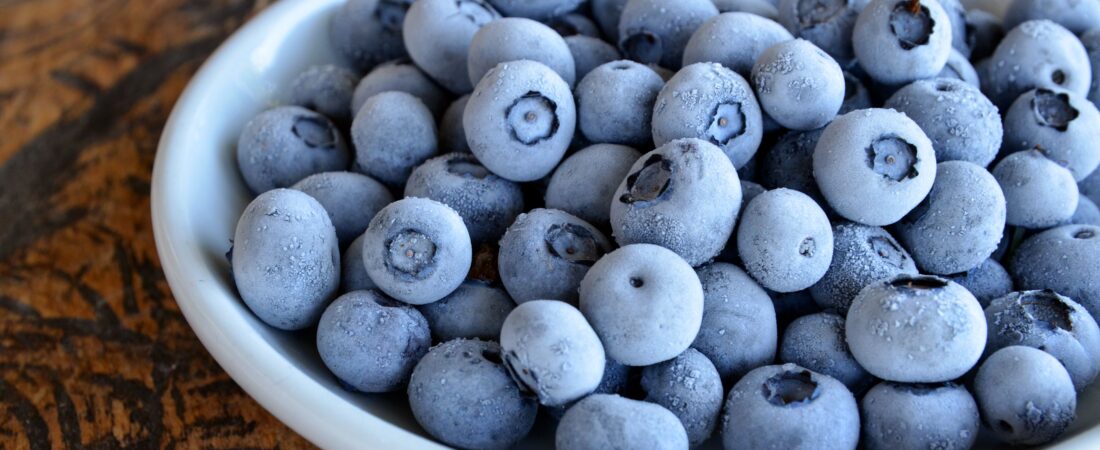
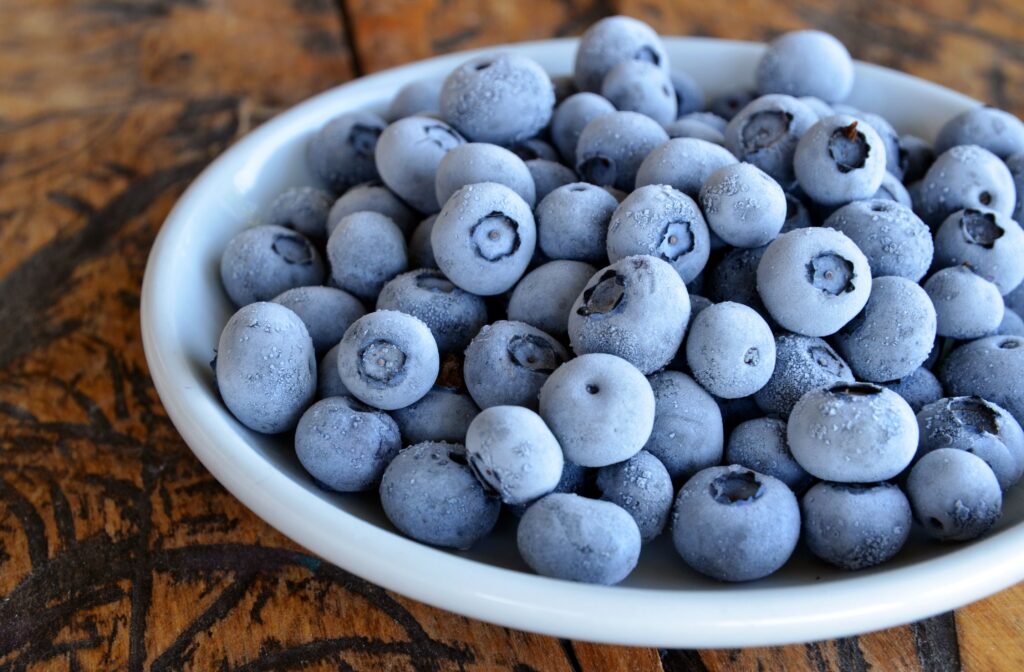
Frozen food has become a bigger part of how Americans shop, with industry groups reporting strong sales gains as grocery inflation keeps pressuring household budgets. Against that backdrop, replacing a full week of groceries with frozen food offers a clear look at how the freezer aisle now functions as a mainstay rather than a last-minute option.
A freezer-only grocery week reflects a bigger national shift
A full seven-day grocery swap to frozen food lines up with broader U.S. shopping trends already documented by the frozen food industry. The American Frozen Food Institute and FMI said frozen food sales reached $88 billion in 2025, while Grocery Dive reported that category sales were up more than 45% in the 52-week period ending in September 2025 compared with calendar year 2019.
That scale matters because frozen food is no longer limited to pizza and ice cream. The Institute of Food Technologists, citing Circana data for the year ended Feb. 23, 2025, said frozen dinners and entrées alone generated $13.8 billion in sales, making them the largest frozen category in the U.S. market.
A week built around frozen vegetables, fruit, proteins and prepared meals now matches how many shoppers actually use the aisle. FMI said in earlier consumer research that frozen food sales hit $74.2 billion in 2023, and newer industry reporting shows consumers continue to see the category as a practical source of meals, sides and ingredients rather than occasional convenience food.
The U.S. impact is broad, but household results can vary

Because this topic is national rather than tied to one city or state, the clearest local angle is the American household budget. Frozen produce and proteins can help families buy in larger quantities and keep food longer, but there is no single national benchmark showing every household saves the same amount by switching an entire week of groceries to frozen items.
What is confirmed is that frozen food has appeal for shoppers trying to stretch grocery trips and reduce spoilage. USDA food-buying guidance says frozen vegetables usually yield more servings per pound than fresh vegetables because they are cleaned, blanched and ready to cook.
Nutrition guidance also supports frozen staples as a mainstream option. The American Heart Association says frozen fruits and vegetables are picked at peak ripeness and flash frozen to preserve nutrition, while MedlinePlus says frozen vegetables can be as healthy as fresh ones when shoppers choose versions without added salt. What is not yet publicly documented is a comprehensive national study measuring the exact dollar outcome of a one-week all-frozen grocery challenge across different regions.
Inflation, waste and convenience are driving the frozen push
The strongest reasons behind frozen food’s momentum are price pressure, convenience and waste reduction, according to industry and public-health sources. AP reported in January 2026 that food inflation was still up 2.4% last year and that grocery prices accelerated faster in 2025 than in the prior two years, helping explain why shoppers continue looking for durable, lower-risk purchases.
Industry groups have paired that affordability story with waste reduction. AFFI’s 2026 frozen retail materials said the department showed both dollar and unit growth early in 2025, describing frozen food as a value-driven option during cautious consumer spending. Supporting that logic, USDA safety guidance notes that frozen foods remain safe indefinitely when kept frozen, although quality can decline over time.
Health context is more mixed, depending on the item. The American Heart Association says minimally processed frozen foods, including plain fruits and vegetables, can fit a healthy diet, but it also notes that many processed foods contribute significant sodium to the typical U.S. diet. That means a frozen-only grocery week may work very differently if the cart is filled with plain produce and proteins versus heavily seasoned entrées and snacks.
What customers should expect from a frozen-first grocery plan
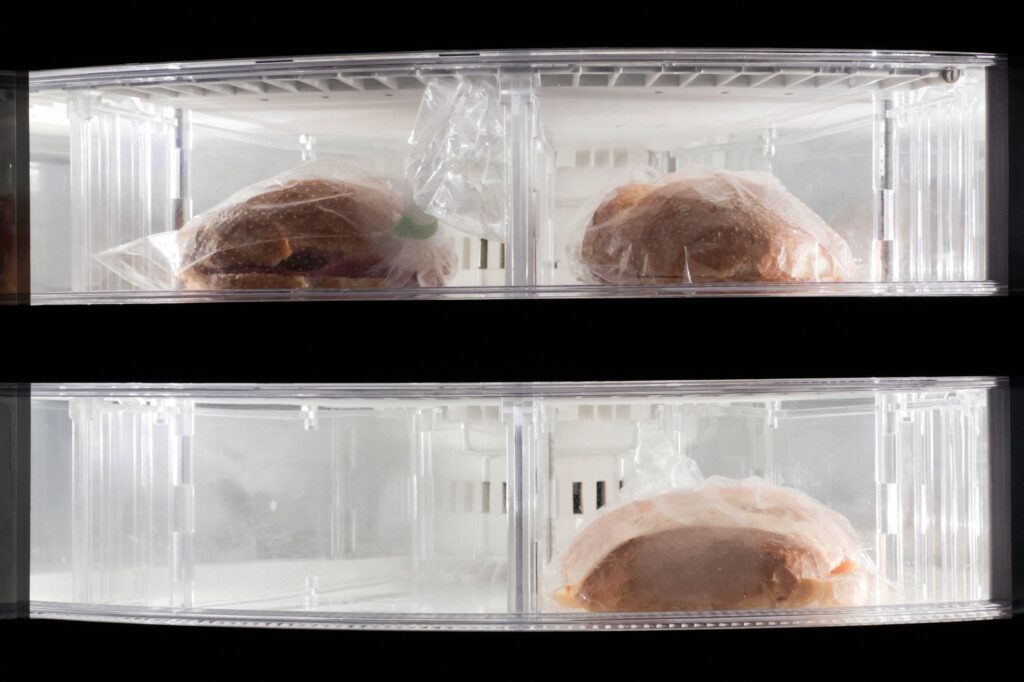
For shoppers trying a frozen-first week, the practical outcome is less about novelty and more about tradeoffs. Frozen fruits, vegetables and basic proteins can hold nutritional value and reduce midweek spoilage, but prepared frozen meals may bring higher sodium or added sauces that change the health profile.
The frozen aisle also now offers enough variety to cover breakfast, lunch, dinner and snacks in one trip. Circana-backed category data cited by the Institute of Food Technologists shows strong consumer demand across entrées, seafood, pizza, breakfast foods and frozen poultry, which helps explain why a full-week swap is increasingly realistic in ordinary supermarkets.
What shoppers should not assume is that every frozen product offers the same value. Plain or lightly processed items generally give more control over cost and nutrition, while branded single-serve meals can narrow those advantages. The broader industry trend, however, is clear: as U.S. grocery costs stay elevated, frozen food is being marketed and purchased as a core grocery solution, not just an emergency backup.