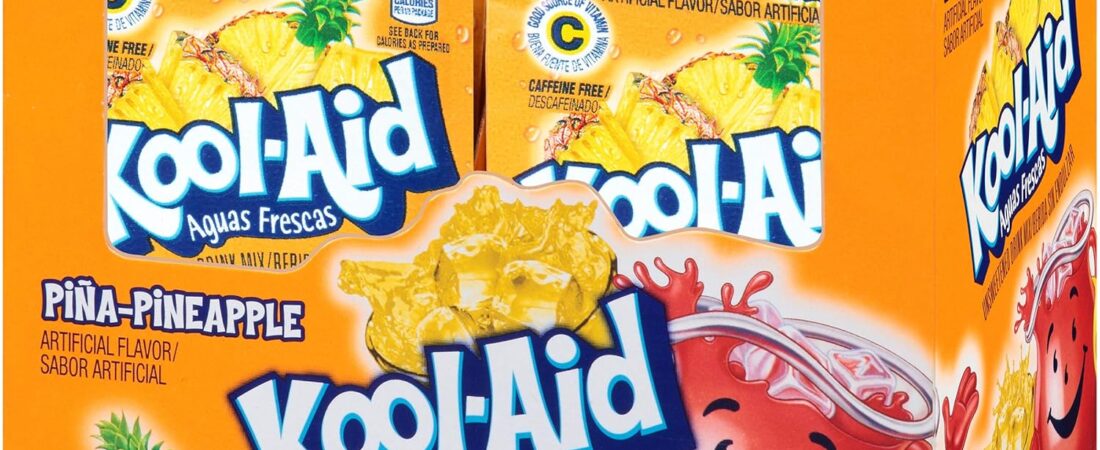
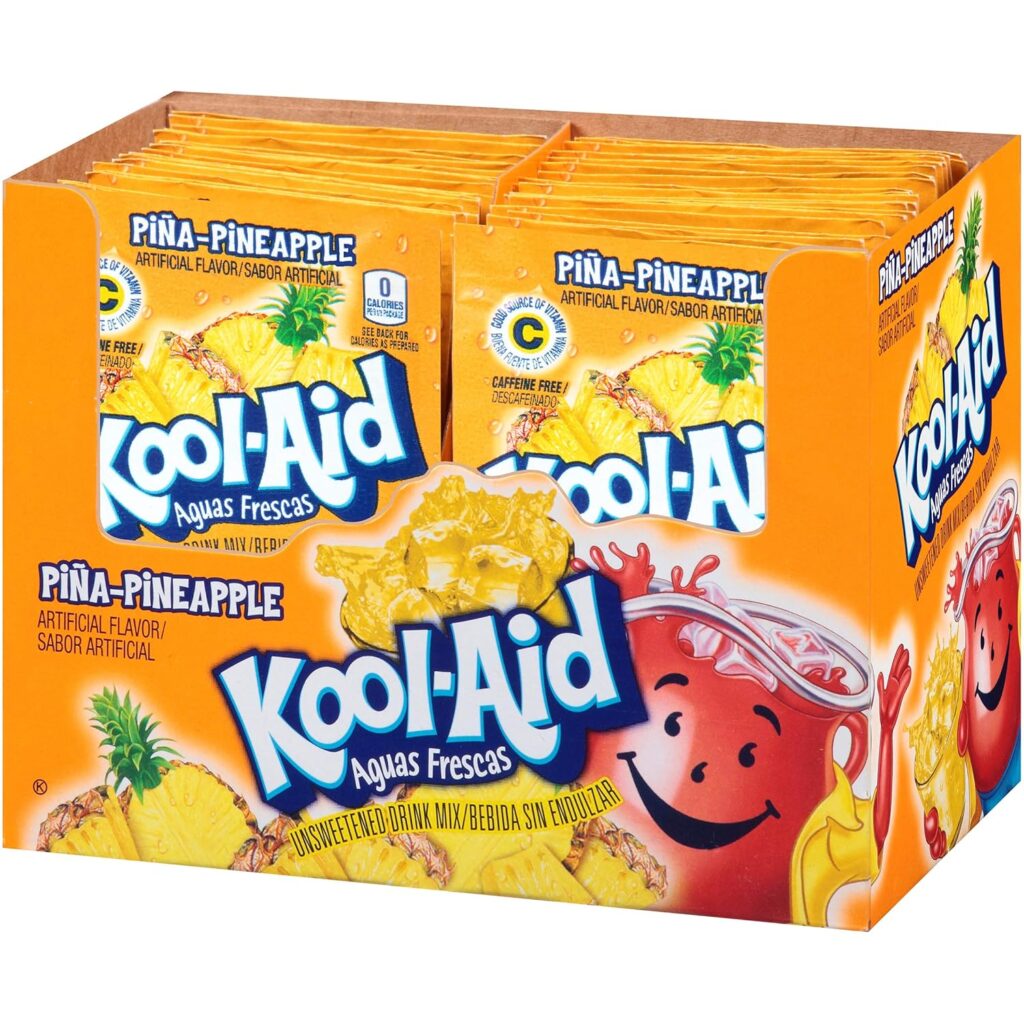
Food trends built around low-cost ingredients and high-contrast visuals keep moving quickly on TikTok in summer 2026. This month, one of the clearest examples is Kool-Aid pineapple, a brightly colored jarred fruit snack that has gone from social clips to home kitchens across the U.S.
TikTok turned pineapple and Kool-Aid into a June 2026 home-kitchen trend
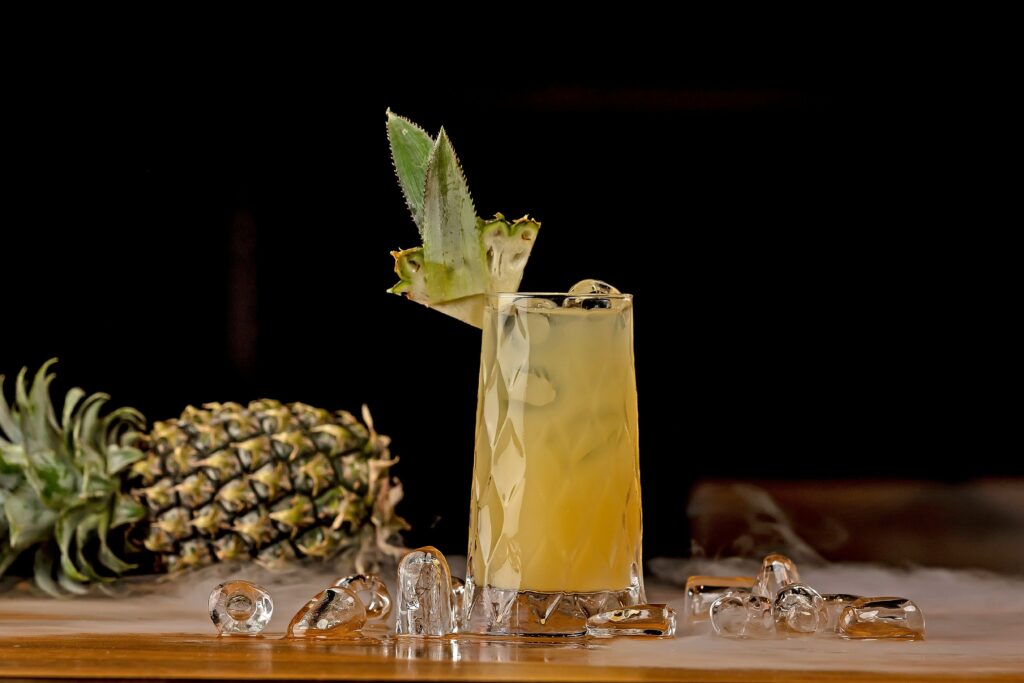
Kool-Aid pineapple is exactly what it sounds like: pineapple spears or chunks soaked in a liquid mixed with Kool-Aid powder, usually with added sugar, until the fruit picks up both the color and flavor. Parade reported on June 6 that the snack was already appearing widely across TikTok and Instagram feeds, while Click2Houston reported on June 10 that videos tied to the recipe had reached millions of views across TikTok, Instagram, and Facebook.
The scale of the trend is easy to see in the number of copycat versions now circulating online. Know Your Meme described Kool-Aid pineapple as a food trend built around soaking pineapple slices or spears so the fruit absorbs the drink mix and turns bright red, blue, green, or pink, depending on the flavor used. Foodbeast also reported that vendors in cities including Baton Rouge, Tallahassee, Cleveland, and Livonia were already selling prepared jars, showing how quickly the idea moved beyond social video and into small-scale food sales.
At home, the recipe remained simple enough to test without specialty ingredients. Most versions highlighted by Parade and Spoon University use canned or jarred pineapple spears, flavored Kool-Aid packets, and a sweetener, with the fruit left to sit for roughly 24 to 48 hours before serving.
The home version is easy to make, but the exact formula varies a lot
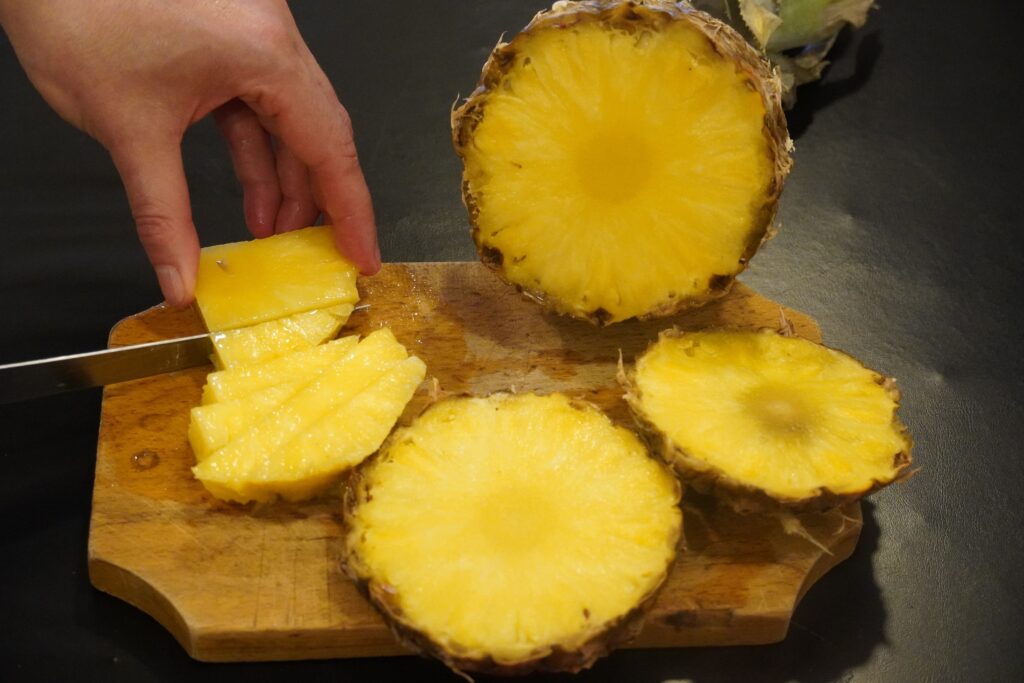
For a home batch, the most commonly repeated method starts with pineapple packed in juice or coconut water. Spoon University described creators pouring off some of the liquid, mixing in Kool-Aid powder and sugar, then returning the mixture to the jar and letting it marinate for one to two days, while recipe coverage from food sites has echoed a similar three-ingredient setup.
That flexibility is part of the trend’s appeal. Parade noted that creators have been putting their own spin on the snack with different Kool-Aid flavors, candy add-ins, and decorative extras, and Foodbeast documented prepared jars being sold in multiple flavor combinations. In practice, that means no single standard recipe has been confirmed by one central brand or organizer.
In my batch, the result was closer to a sweet, tart, flavored fruit cup than a completely new food. The fruit kept its pineapple texture, but the soaking liquid changed the taste quickly, which helps explain why reactions online and at home tend to split between people who like novelty snacks and people who think plain pineapple was already enough.
The bigger reason this took off is visual appeal, price, and familiarity
The trend’s timing fits a pattern seen repeatedly on short-form video platforms: cheap ingredients, easy assembly, and strong color contrast. AOL’s trend coverage said creators began making the jars at home after realizing it was much cheaper than buying pre-made versions, and Click2Houston framed the recipe as a simple summer snack that people could customize and immediately film for social media.
There is also a clear cultural link to earlier Kool-Aid mashups. Tasting Table traced the history of Kool-Aid pickles, often called koolickles, to a much older Southern snack tradition, and several recent articles have treated Kool-Aid pineapple as a fruit-based offshoot of that same sweet-sour formula. That context helps explain why the idea felt familiar to some viewers even as the bright neon jars made it look new.
The branded ingredient matters too. Kool-Aid is inexpensive, widely recognized, and available in multiple flavors, making it a practical choice for a trend that depends on color as much as taste. Pineapple, especially pre-cut spears in jars, also keeps prep time low.
What families and shoppers should expect from the trend right now
For shoppers, the practical takeaway is that this is still a social trend more than a standardized product category. Some people are buying jars from local vendors, and others are making them at home, but there is no comprehensive national list of stores, chains, or markets formally carrying Kool-Aid pineapple as a regular menu item or packaged grocery product.
For households trying it at home, the main variables are sweetness, soak time, and texture. Coverage from Parade, Spoon University, and other recipe write-ups suggests that one batch can taste dramatically different from another depending on the fruit’s packing liquid, the Kool-Aid flavor used, and how much sugar is added. That helps explain why one family member may think it tastes fun and candy-like while another may stop after one bite.
As of late June 2026, the trend is still being driven by social posts, taste tests, and low-cost DIY versions rather than by a major company launch. The snack’s staying power will likely depend on whether people keep making second jars after the first round of curiosity wears off.