Cottage cheese has become a national food trend again, driven by high-protein eating habits and a steady stream of social-media recipes. This test kitchen tryout focused on the latest taco-style spin: using cottage cheese as the base for a tortilla-like shell.
The event: a viral dairy shortcut turns into taco night
The specific recipe idea is simple: blend cottage cheese, spread it thin, bake it, and use the result as a taco shell or flatbread. Tasting Table published an “internet-famous cottage cheese flatbread recipe” in 2024 and noted it could be used for taco-style meals, while Food Network said in its February 23, 2026 roundup that cottage cheese is “having a moment” in protein-focused cooking. Those two references help explain why the taco version has moved from niche fitness food into mainstream home kitchens.
My batch followed the common formula seen across cottage-cheese flatbread variations: cottage cheese as the base, a thin layer on parchment, and enough oven time to dry and brown the edges. The result was not a tortilla in the classic sense. It behaved more like a flexible baked cheese sheet, with a soft center and firmer edges.
That difference matters. A taco shell needs structure, especially once salsa, meat, or beans add moisture. In my test, the shell held together best when used more like an open-faced tostada or a soft wrap eaten immediately after cooling.
The state or local impact: this is a national kitchen trend, not a restaurant launch
There is no verified company rollout, retail launch, or state-specific restaurant program tied to cottage cheese tacos at this point. What is confirmed is broader consumer demand for cottage cheese products and recipes in the U.S., including new attention from home cooks and food publishers. USDA Rural Development said on December 2, 2025 that Westby Cooperative Creamery, identified as Wisconsin’s only cottage cheese manufacturer, received support tied in part to increasing consumer demand for cottage cheese.
That gives the trend a real supply-side marker, even if no one has released a list of restaurants or grocery deli counters selling “cottage cheese tacos” as a standard menu item. The company has not released any taco-related product line, and there is no comprehensive state-by-state accounting of where this idea is catching on fastest.
For readers in the U.S., the practical local angle is mostly happening in home kitchens, meal-prep circles, and social video feeds rather than chain restaurants. In other words, this is a trend you are more likely to see on a baking sheet than on a drive-thru menu.
The cause or context: protein culture is driving the comeback
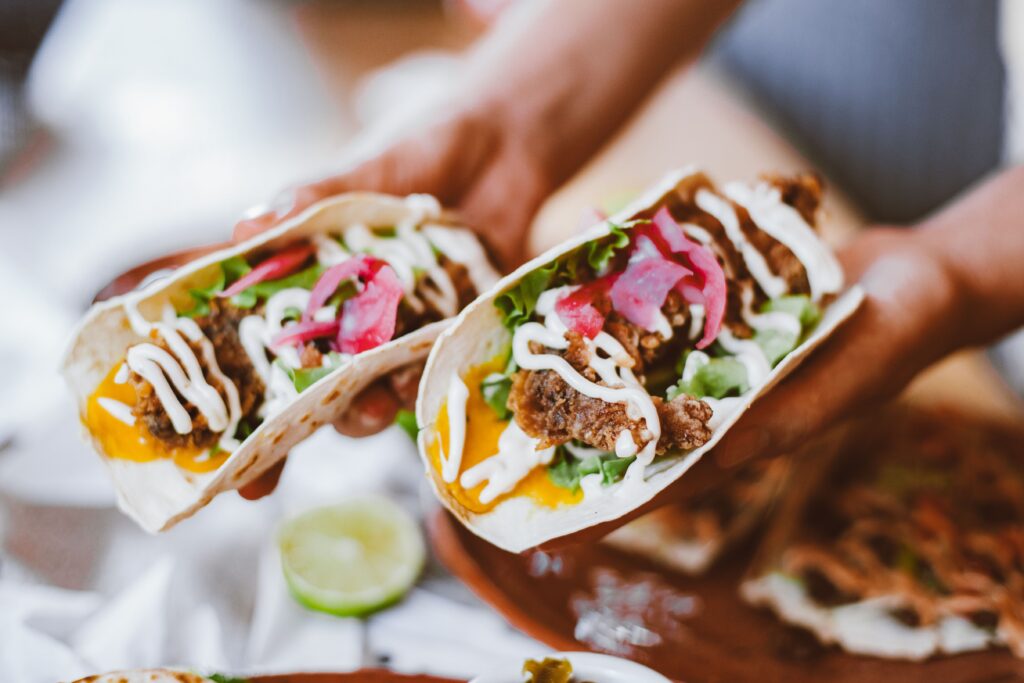
The larger reason this exists is the protein boom. Food Network’s 2026 roundup tied cottage cheese’s resurgence to its protein and micronutrient profile, and USDA nutrition guidance lists dairy foods as sources of protein, calcium, riboflavin, potassium, and selenium. Tasting Table also reported that social media, especially short-form recipe content, has played a major role in cottage cheese’s comeback.
That context helps explain why cottage cheese keeps getting pushed into formats it did not traditionally occupy, including dips, desserts, flatbreads, and now taco substitutes. Tasting Table reported in 2026 that more than 700 million pints of cottage cheese were sold in the U.S. in 2025, citing data gathered by Circana and reported by Farm Journal. Even allowing for some social-media exaggeration, the sales trend suggests this is bigger than a novelty recipe.
The taco version fits neatly into the same pattern: fewer traditional carbs, more protein, and a format that looks dramatic on camera. It makes sense as trend food, even when the eating experience is less convincing than the nutrition pitch.
What it means for customers or residents: treat it like flatbread, not a taco shell
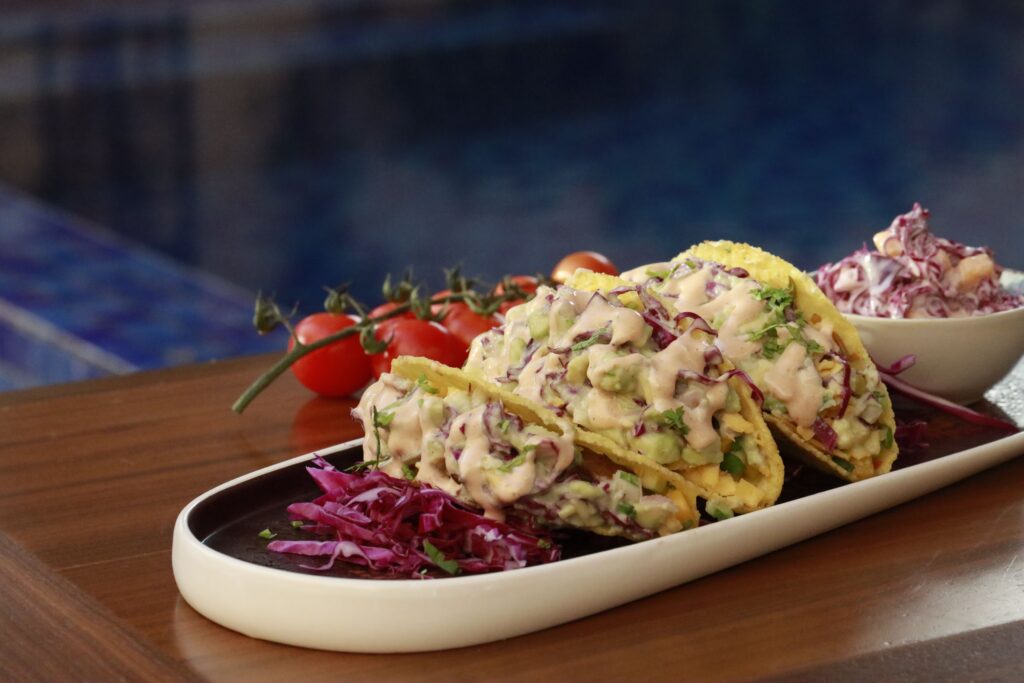
For home cooks, the main takeaway is practical. If you make this recipe expecting a crisp corn shell or a stretchy flour tortilla, you will likely be disappointed. If you approach it as a baked high-protein flatbread that can carry taco-seasoned toppings for a short window, it works better.
Texture is the deciding factor. The shell I made was edible, filling, and fairly sturdy at the edges, but it softened quickly under wet toppings. That means it is better suited to dry fillings, fast assembly, and immediate serving than to packed lunches or a fully loaded taco spread.
The broader outlook still favors more cottage cheese experimentation. USDA-backed expansion in Wisconsin points to sustained demand, and major food publishers continue to add new cottage cheese recipes as the ingredient’s popularity holds. For now, cottage cheese tacos look more like a social-media-adapted flatbread than a true taco replacement.